REVIEW · TOKYO
Tokyo: Two Types of Japanese Sweets Making and Tea Ceremony
Book on GetYourGuide →Operated by 日本文化体験 庵an東京 AN TOKYO · Bookable on GetYourGuide
Sweet artistry, guided and unhurried. In this Tokyo class you’ll make Ohigashi and Nerikiri using traditional bean paste, then whisk single-origin matcha for a casual tea ceremony. The one catch: Nerikiri shaping can take a steady hand, so go slow and don’t rush the details.
I like that the instructor keeps things practical, and English support is provided as much as possible. You also make two sweets chosen to match the season, which means you’re not just copying a pattern—you’re tasting what Japan is leaning toward right now. A small consideration is that the sweets are mainly for eating there, with add-ons (like a take-out box) available for extra cost.
In This Review
- Quick hits before you book
- Two Kinds of Japanese Sweets Plus Matcha Tea, All in One Room
- Meet AN TOKYO and Get Your Bearings Fast
- Ohigashi: Dried-Type Japanese Sweets with Wasanbon Sugar
- Nerikiri Flower Sweets: Why Kinton Nerikiri Feels Harder (In a Good Way)
- The Tea Ceremony Portion: Matcha Grinding and Whisking Basics
- What’s Included in the $28 Price (and What Costs Extra)
- How the 125 Minutes Usually Feel: A Practical Timing Breakdown
- English Support and Instructor Style: The Part You’ll Notice
- Who This Experience Fits Best (and Who Might Think Twice)
- Practical Tips to Make Your Wagashi Look Better (Without Stress)
- Should You Book This Tokyo Sweet-and-Tea Workshop?
- FAQ
- How long is the experience?
- What is the price per person?
- What sweets will I make?
- Does the class include tea or matcha?
- What ingredients are used for the sweets and matcha?
- What language support is available?
- Where do I meet for the class?
- What are the operating hours?
- What happens if I arrive late or my reservation is after 17:00?
- What extra items cost money beyond the main price?
Quick hits before you book
- Seasonal wagashi made by you: two Nerikiri sweets matched to the time of year
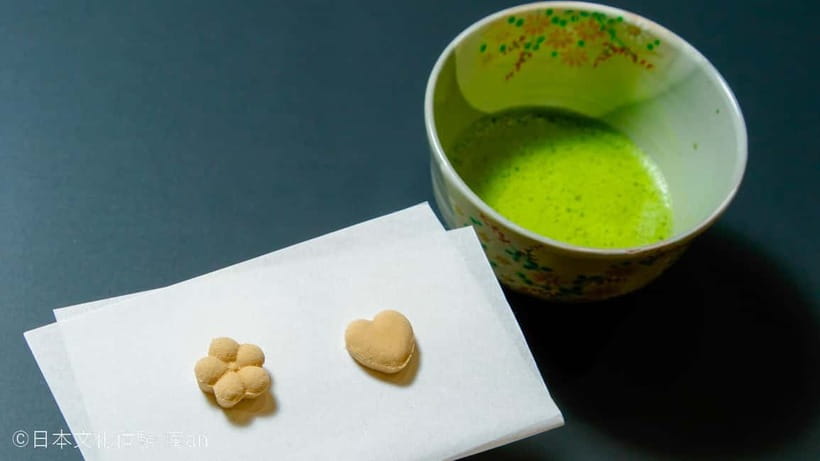
- Wasanbon-driven Ohigashi: you’ll work with traditional Japanese sugar for dried-style sweets
- Kyoto bean paste (white/red): the filling comes from long-established Kyoto shops
- Single-origin special matcha: grind it and learn the basics before sipping
- Nerikiri flower shaping: expect some finesse, especially for clean edges
Two Kinds of Japanese Sweets Plus Matcha Tea, All in One Room
If you want a Tokyo food experience that feels hands-on and not just observational, this hits the sweet spot. You’ll spend about 125 minutes learning three parts of the tradition: Ohigashi, Nerikiri, and a tea ceremony moment built around your own matcha.
What makes it especially good value is the mix. A lot of classes teach one thing well. Here you get both the craft (shaping sweets) and the taste context (matcha and tea). That pairing helps the food make more sense when you eat it afterward.
The format is also friendly for first-timers. You’re not expected to be a pastry chef. You just need a calm attitude and a willingness to follow step-by-step instructions, especially during the Nerikiri shaping stage.
You can also read our reviews of more tours and experiences in Tokyo.
Meet AN TOKYO and Get Your Bearings Fast
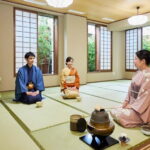
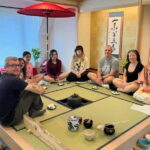
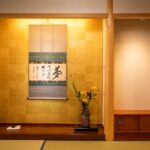
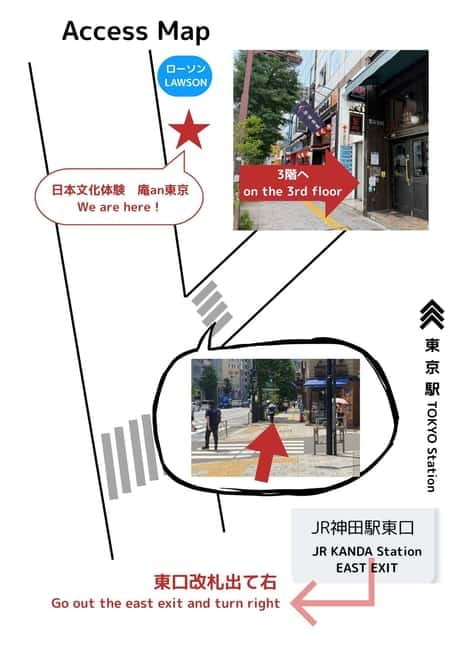
You meet at AN TOKYO Japanese Culture Experience. The room setup matters here because you’ll be moving between stations for sweets, breaks, and then the tea ceremony portion.
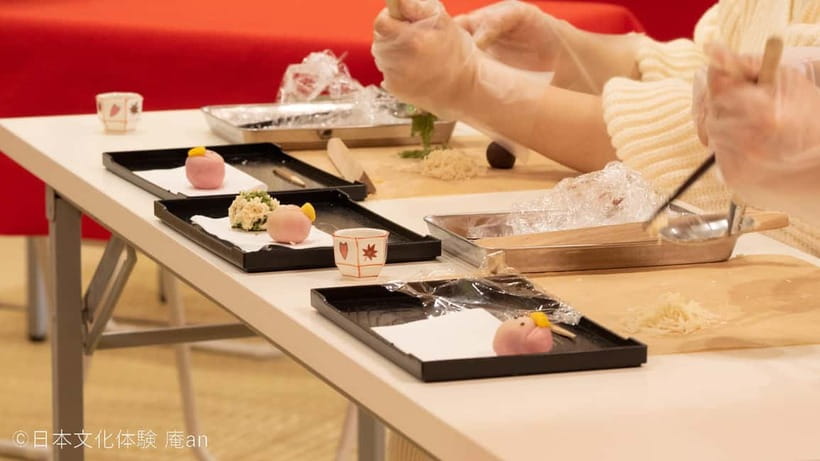
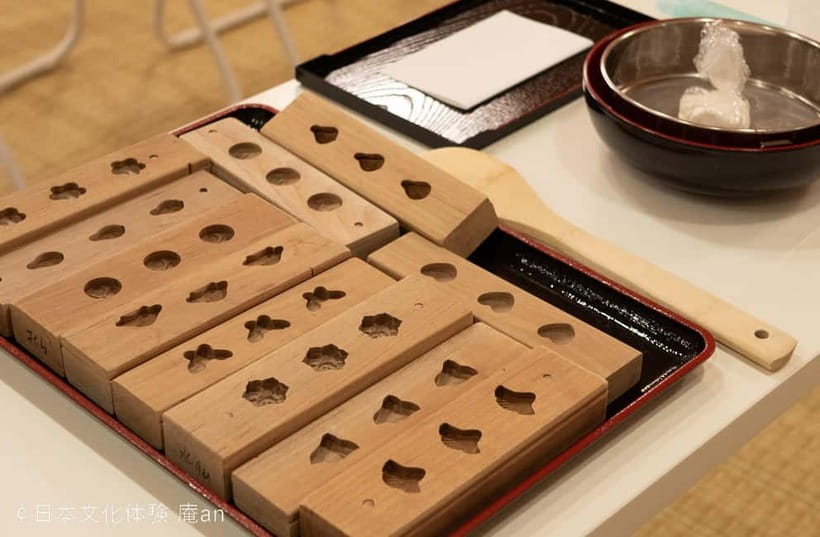
Expect a clear flow. The session starts with an explanation of Japanese traditional sweets. Then you jump into making the dried-style Ohigashi, followed by a break, then the Nerikiri shaping, and finally matcha and tea.
One practical note: the class won’t be held to accommodate delays. So I’d aim to arrive a few minutes early, settle in, and be ready when instructions begin. Also, people who don’t participate won’t be allowed into the experience room, so plan around that if you’re meeting friends.
Ohigashi: Dried-Type Japanese Sweets with Wasanbon Sugar
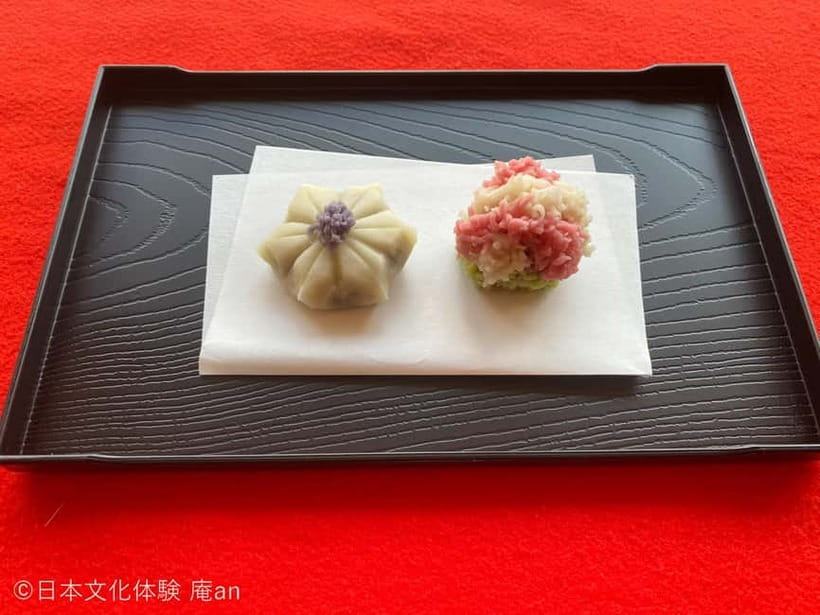
The first hands-on part is Ohigashi, a dried-type Japanese sweet. You’ll learn what makes Ohigashi different from the more famous gel-like wagashi. This matters because it changes the texture you’ll get in your mouth: more of a dry, delicate bite than a soft, syrupy chew.
During this stage, you’ll work with traditional Japanese sugar called Wasanbon. That name may not mean much to you at first, but it’s a big deal in Japanese sweets. Wasanbon is known for a gentle, refined sweetness, and it tends to help the finished sweet taste balanced instead of heavy.
The workshop also uses white/red bean paste made by long-established shops in Kyoto. Even before you reach Nerikiri, that choice signals the program’s focus: you’re not using generic fillings. You’re using ingredients that are part of Japan’s wagashi supply chain.
How long is this part? You’ll make the Ohigashi around the early part of the class, then you get a break before Nerikiri. That break is useful. Ohigashi-making can get a bit sticky depending on the steps, so taking a reset before moving into the more delicate shaping is smart.
Nerikiri Flower Sweets: Why Kinton Nerikiri Feels Harder (In a Good Way)
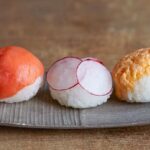
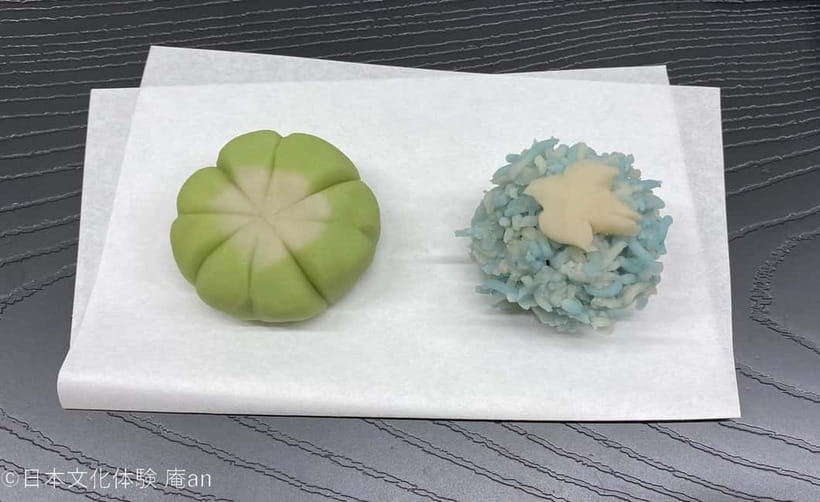
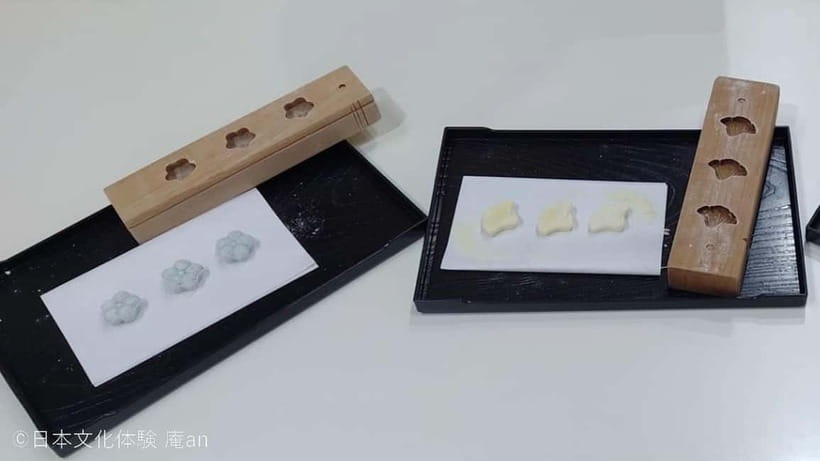
Next comes Nerikiri, a shaped sweet with a paste-like texture. Nerikiri is often associated with the season—spring flowers, autumn tones, winter-inspired forms—so you’re not just making a dessert. You’re making an edible seasonal design.
You’ll make two seasonal sweets, and the session mentions flower-shaped Nerikiri plus Kinton Nerikiri. That translates to a hands-on challenge: you need patience to form clean lines and a light touch to keep the paste from tearing or sticking too much.
This is the part where I’d set expectations. One review noted that Nerikiri can get a little difficult and needs finesse. I’d take that as reassurance, not a warning. If your first attempt looks less perfect, you’re learning. The goal is not to make a flawless museum piece. It’s to understand the texture and how the paste behaves when you press, shape, and refine.
To help yourself succeed:
- Work slowly and keep your hands steady while you shape.
- If anything sticks, pause and adjust rather than forcing it.
- Treat it like sculpting, not cooking.
When you finish the Nerikiri, you’ll take a break again. That timing is ideal. You’re likely to feel both proud and slightly tired from the careful shaping. A reset keeps the final tea portion enjoyable.
The Tea Ceremony Portion: Matcha Grinding and Whisking Basics
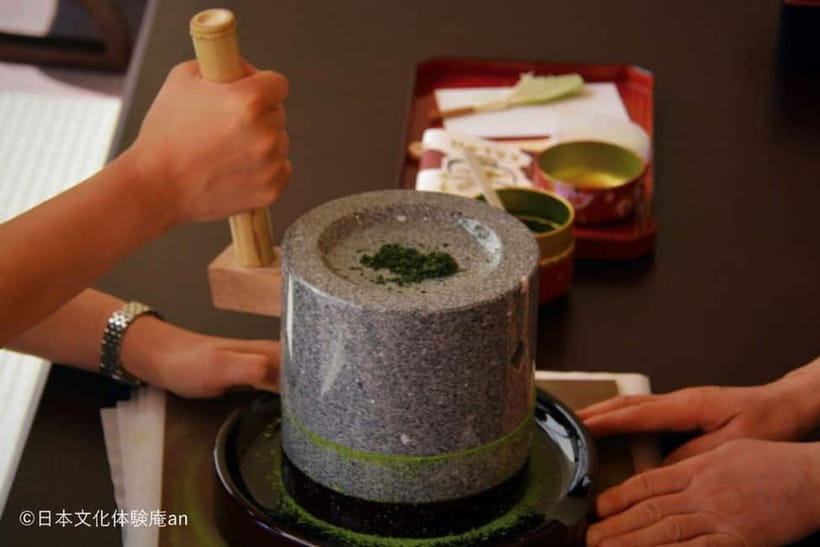
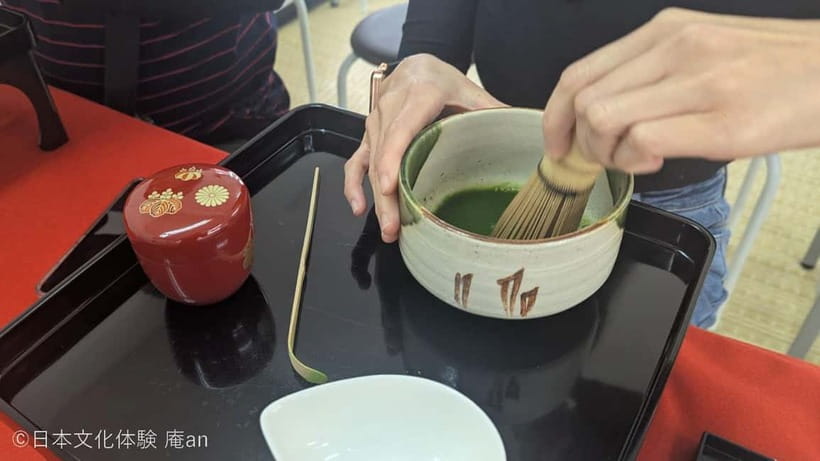
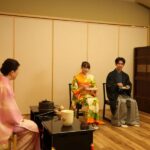
After sweets, the program shifts to tea. This is where the experience becomes more than just food craft. You get an explanation about tea and the matcha process, plus a demonstration of grinding matcha.
You’ll also make your own matcha. That’s a great moment because it connects taste to effort. You’ll see how the powder changes and learn the basics of getting it to the right texture.
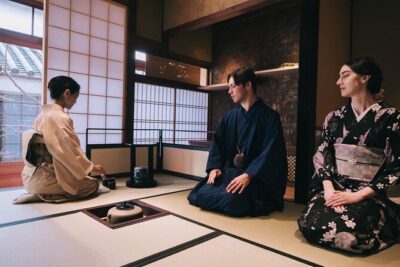
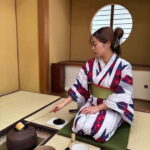
The session is described as a tea ceremony experience done casually. Translation: you’ll learn the etiquette and flow, but it’s not stiff and intimidating. You’re there to enjoy, not to perform.
A useful detail from the reviews: the act of whisking/foaming the tea was described as easy once you got going. So if you’re worried you’ll mess it up, don’t be. The instructor approach seems built for normal people, not tea masters.
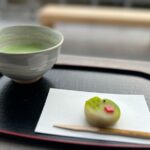
Then comes the picture time, followed by eating and drinking time. The tasting matters. Try to eat your wagashi thoughtfully, not while multitasking. Different sweets have different sweetness and mouthfeel. When you slow down, you’ll notice how the dried Ohigashi compares with the softer Nerikiri paste and how matcha balances both.

What’s Included in the $28 Price (and What Costs Extra)
This costs $28 per person for 125 minutes. For Tokyo, that’s a solid value when you compare what you’re actually doing: you’re making two sweets and participating in a matcha and tea ceremony moment.
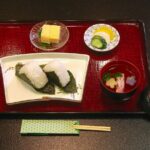
Included in the price is the full experience package: 2 Types of Japanese Sweets making and Tea Ceremony (three parts total). You’re not just sampling something. You’re actively making and eating it.
What’s not included gives you options:
- A sweets take-out box costs 100 JPY
- Adding color costs 200 JPY
- An experience completion certificate costs 300 JPY
I like that the extra items are optional. If you want the cleanest, lowest-stress version, just make the sweets, enjoy them there, and skip add-ons. If you want a souvenir, the take-out box is an easy choice. If you want to go all-in on the craft look, adding color might be worth it.
How the 125 Minutes Usually Feel: A Practical Timing Breakdown
Here’s how the session runs in real time, so you can plan around it:
- Start with an introduction to Japanese traditional sweets
- Make Ohigashi, then take a break
- Flower-shaped Nerikiri making (and Kinton Nerikiri)
- Another break
- Tea explanation, matcha grinding demonstration
- Matcha and tea ceremony experience, then picture time
- Finally, eat and drink before leaving
For your day planning, this timing helps because it’s long enough to feel meaningful, but short enough to fit between sightseeing blocks. If you’re touring central Tokyo, it’s the kind of activity that won’t swallow your whole afternoon.
English Support and Instructor Style: The Part You’ll Notice
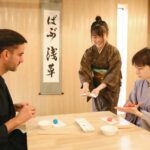
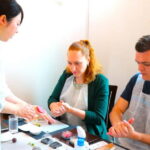
The instructor is Japanese, and English translation is provided as much as possible. In practice, what you want from that is not a full lecture. You want clear, step-by-step instructions so you’re not guessing when to press, shape, or handle paste.
One review specifically praised the instructor for kindness and English guidance. Another highlighted that the instructor also explained background knowledge about sweet types and the difference between green tea and matcha.
That’s a big deal. If you leave understanding not just how to make wagashi, but why different sweets exist and how matcha fits in, you’ll remember the experience longer than if you just ate and moved on.
Who This Experience Fits Best (and Who Might Think Twice)
This class is ideal if you:
- Like practical, hands-on learning more than passive tours
- Want a Japanese food experience with craft, not just tasting
- Enjoy seasonal foods and want to see seasonal design translated into sweets
- Prefer a tea ceremony that feels welcoming and casual
It may be less ideal if you hate any structured activity involving careful shaping. The Nerikiri step is where things can feel fiddly. But you can still succeed if you keep a relaxed pace and don’t aim for perfection.
If you’re traveling with someone who wants a totally hands-off experience, note that nonparticipants won’t be allowed into the experience room. So plan accordingly.
Practical Tips to Make Your Wagashi Look Better (Without Stress)
You don’t need special skills. You do need a few smart habits.
Bring a patient attitude. Nerikiri paste responds to pressure and timing. If you rush, you’ll likely overwork the paste and make shaping harder.
Keep it simple with your goals:
- Aim to finish clean shapes, not perfect ones
- Enjoy the process more than the final look
- Take your time during tea so the flavors land
For the matcha portion, don’t be afraid to follow the instructor’s rhythm. Whisking basics are often easier than people expect once the technique clicks.
And if you’re thinking about extra purchases, decide ahead of time. The take-out box and added color cost extra, and the certificate is also optional. If you want the souvenir angle, factor that into your budget.
Should You Book This Tokyo Sweet-and-Tea Workshop?
I think this is a strong yes if you want a single activity that delivers real cultural context plus edible results. You’re not just eating wagashi—you’re making Ohigashi, shaping Nerikiri, and then grinding and enjoying matcha in a tea ceremony format.
Book it if:
- You’re in Tokyo for a short stay and want a concentrated experience
- You care about ingredient quality, like Kyoto bean paste and single-origin matcha
- You want a class that’s friendly for first-timers, with English support
Skip or consider an alternative if:
- You have zero patience for careful shaping tasks
- You’re only interested in drinking tea and not making sweets at all
FAQ
How long is the experience?
The experience lasts 125 minutes.
What is the price per person?
The price is $28 per person.
What sweets will I make?
You will make Ohigashi (dried-type Japanese sweet) and two Nerikiri sweets.
Does the class include tea or matcha?
Yes. You will grind matcha and enjoy a tea ceremony experience.
What ingredients are used for the sweets and matcha?
The program uses white/red bean paste produced by Kyoto’s long-established shops, and a single-origin special Matcha.
What language support is available?
English translation is provided as much as possible. The instructor is Japanese.
Where do I meet for the class?
The meeting point is AN TOKYO Japanese Culture Experience.
What are the operating hours?
Operation hours are from 10:00 to 17:00.
What happens if I arrive late or my reservation is after 17:00?
The event will not be held to accommodate delays. Reservations received after 17:00 will be processed next day.
What extra items cost money beyond the main price?
A sweets take-out box costs 100 JPY, adding color costs 200 JPY, and an experience completion certificate costs 300 JPY.