REVIEW · TOKYO
A perfect Japanese experience: Tea Ceremony and Mochi Forming
Book on Viator →Operated by beautiful day tours · Bookable on Viator
A tea moment in an antique shop. This hands-on wagashi workshop blends Nerikiri sweet making with a real tea ceremony in a century-old antique store setting. You work with mochi flour and shape colored dough into seasonal designs, then you relax in a dedicated tea room to enjoy what you made.
I especially love how practical this feels. You are not just watching. You are shaping, tasting, and learning the seasonal logic behind Japanese sweets. One possible drawback: the wagashi have a short shelf life (about 2 days in the fridge), so you’ll want to plan for storage right after class.
In This Review
- Key things to know before you go
- A Century-Old Antique Store Where Wagashi Meets Matcha
- Nerikiri Workshop: Mochi Flour Shaped Like Clay
- Seasonal Designs: Four Styles and the Point of Japanese Sweets
- The Tea Ceremony Part: Chair-Style Seating, Matcha, and Eating Your Own Work
- Price, Timing, and What You Really Get for $55.38
- Where the Meeting Point Fits Into the Neighborhood Plan
- Who Should Book This (and Who Might Want a Different Style)
- Should You Book This Wagashi and Tea Ceremony Workshop?
- FAQ
- What is Nerikiri wagashi?
- How many different sweets do you learn to make?
- Do I need to bring anything?
- Is tea included with the class?
- How long is the experience?
- How many people are in the group?
- What is the minimum age to join?
- How long will the wagashi last after making it?
- Can I cancel or change my booking?
Key things to know before you go
- Small group size (max 5) means you get attention while you shape delicate Nerikiri dough.
- Antique-store setting starts with antique tableware and moves into a dedicated tea room.
- Nerikiri made from mochi flour is taught like colorful clay work, but with real technique.
- You learn several seasonal styles of wagashi, with a chance to taste at the end.
- Tea ceremony includes matcha served after a confection, and you eat your own wagashi during it.
A Century-Old Antique Store Where Wagashi Meets Matcha
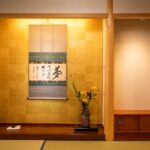
This is not the generic, classroom-room version of Japanese sweets and tea. The whole experience happens in a century-old antique store, with an atmosphere that makes the craft feel earned, not staged. Before you even start forming sweets, you take a slow look at the antique tableware. It’s a small thing, but it sets the mood fast: you’re in a place built for time, not turnover.
Then you move from the shop floor into the workshop side, where the goal is simple: make stunning wagashi inspired by the season. The seasonal focus is one of the reasons this class feels more meaningful than a cooking demo. You’re not just learning how to form shapes. You’re learning what shapes represent, and why Japanese sweets often mirror the weather, flowers, and moods of the year.
One more detail I like: the experience has been featured on CNN. That doesn’t automatically make something better, but it’s a strong signal that the setup is special, not random. If you care about doing something that feels genuinely Japanese rather than “Japanese-themed,” this setting helps a lot.
The one thing to keep in mind is the human factor. The host is described as an artisan, not a big-show professional. That can mean limited English, and it can also mean the class runs on craft-first energy. You’ll probably do fine if you go with a flexible attitude and don’t expect perfect translations of every tiny point.
You can also read our reviews of more tours and experiences in Tokyo.
Nerikiri Workshop: Mochi Flour Shaped Like Clay
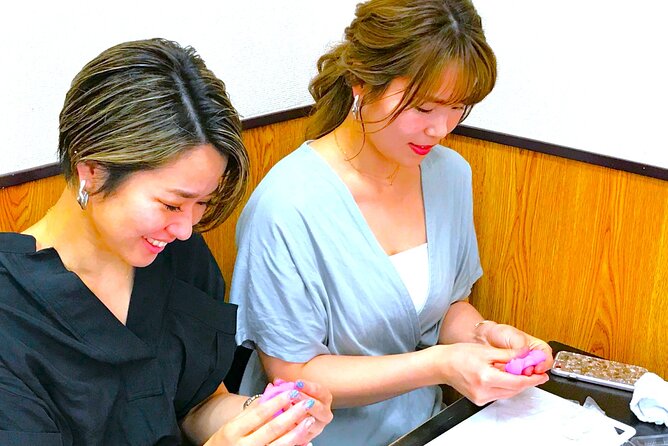
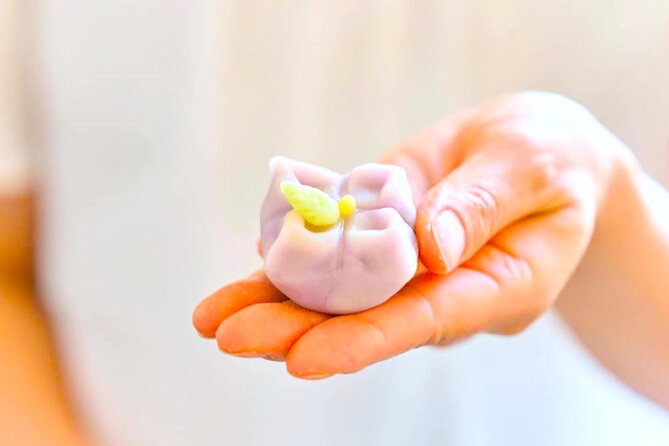
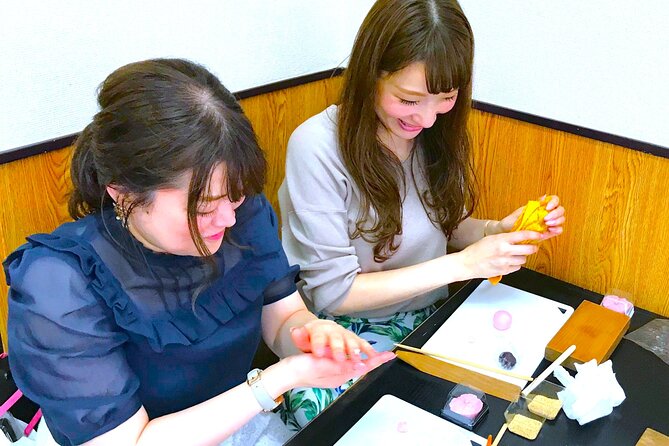
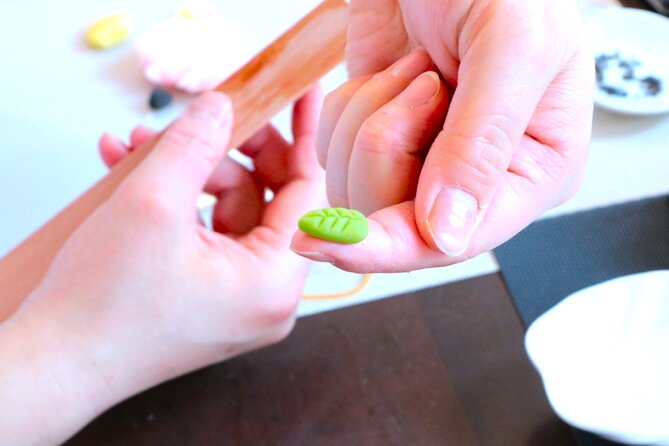
The wagashi you’ll make is Nerikiri, a type of mochi-based sweet. The main ingredient is mochi flour, and the texture is what makes this class so fun: it feels close to colored clay. That’s the right comparison. You are not wrestling dough that fights back. You’re working in layers, shaping materials, and building toward a finished figure.
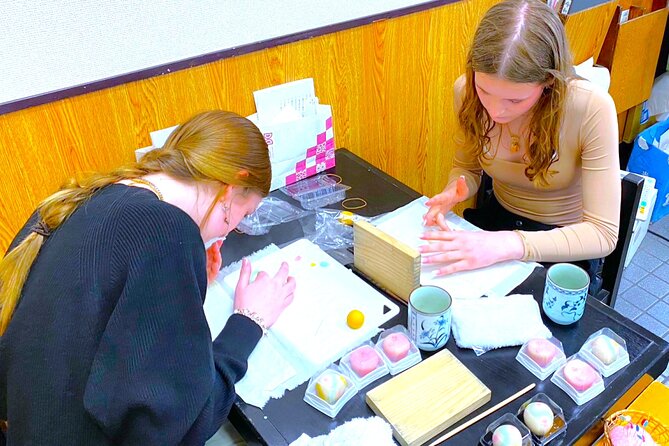
You’ll also hear how the process works in a clear, learn-by-doing way. The workshop uses colored materials that you combine to create a target figure. In other words: you’re learning both the “what” (the shape) and the “how” (the method). That’s a huge deal if you want to understand the craft, not just copy a final product.
Also, you don’t need to bring anything. Tools and ingredients are included. For a lot of food workshops, you end up buying supplies you don’t need later. Here, the class is set up so your only job is to show up and make sweets.
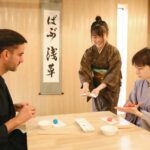
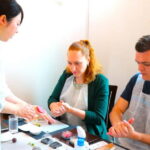
Expect a small, friendly pace. A class limited to up to 5 travelers helps. You can ask a question without feeling like you’re interrupting a conveyor belt. And if your hands don’t move perfectly the first try, you get the space to adjust.
From the experiences I’ve seen described by past participants, there’s often a cheerful welcome and a workshop-style setup where you feel like you’re at stations with everything you need. The humor shows up too; at least one session was described as funny in a way that reminded people of Lost in Translation, but in a light, comfortable way. Even if you don’t catch every word, the making itself is the shared language.
Seasonal Designs: Four Styles and the Point of Japanese Sweets
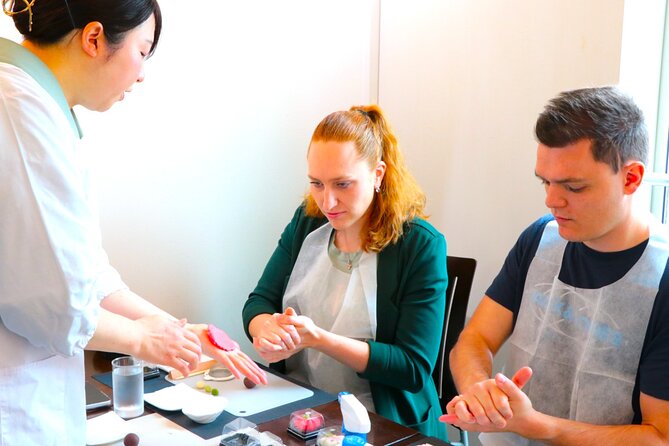
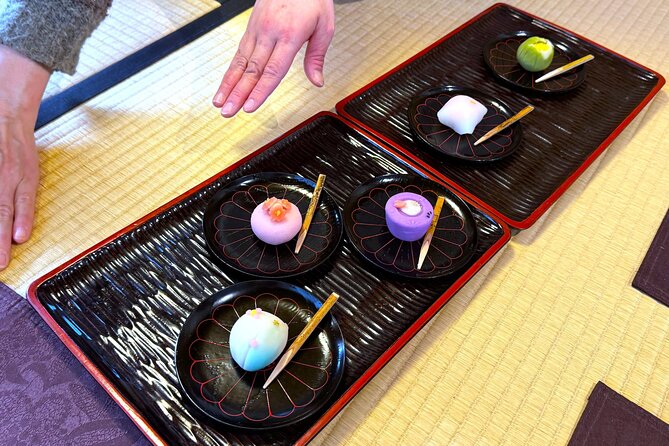
The workshop is designed around learning multiple styles of Nerikiri sweets—seasonally inspired and based on wagashi tradition. The seasonal theme isn’t just decoration. It’s part of the philosophy of wagashi: sweets reflect the calendar, not the marketing plan.
You learn how to shape designs inspired by the season, and the class is framed as learning the history and skill behind the technique. You’re also taught by a Wagashi chef, which matters because Nerikiri is more than a craft trick. It has a cultural logic: texture, detail, and meaning.
Some past classes have included designs tied to spring themes, and other designs tied to flowers and seasonal favorites. For example, people have described making plum and hydrangea styles, as well as fan and flower shapes. You shouldn’t assume those exact designs are guaranteed on your day, but you can expect the same idea: seasonal imagery translated into Nerikiri form.
Here’s why I think this matters for your trip. When you travel, you want more than souvenirs. You want a story you can tell later. Nerikiri gives you that. Even if your final shape isn’t museum-perfect, you’ll know what the design represents and how the technique builds it.
One more practical note: these sweets are made without artificial additives. That’s great from a quality standpoint, but it also ties into the next issue—storage and timing—so plan accordingly.
The Tea Ceremony Part: Chair-Style Seating, Matcha, and Eating Your Own Work
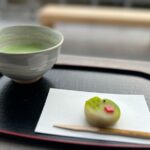
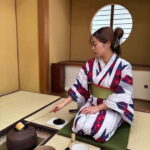
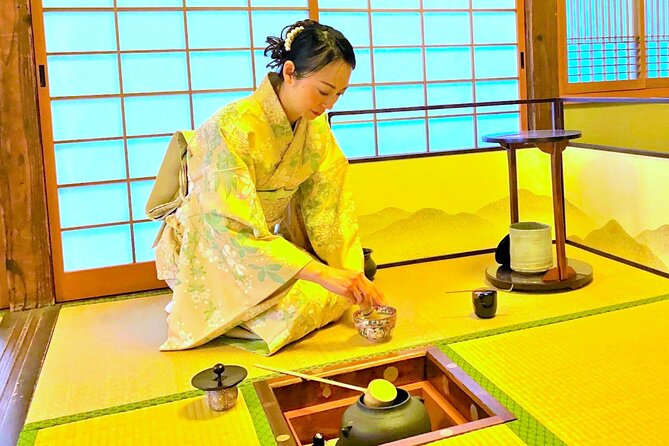
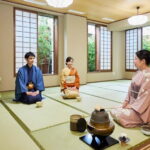
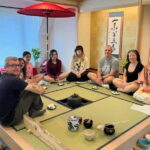
After the sweets-making, you shift into a dedicated tea area. This part is not tacked on like a quick photoshoot. It’s built as a real tea ceremony experience, with a room designed for sitting in chairs (so you’re not forced into an intense floor posture).
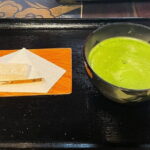
You’re served by your host in an order that makes sense for a tasting flow. You first receive confection, followed by real matcha that is not sweet. That pairing is worth paying attention to. The goal is contrast: sweet shape and texture from the wagashi, then the bitterness and depth of matcha to reset your palate.
Then you get to eat your own wagashi. That’s a big difference from some workshops where the main pieces are kept pristine for display. Here, the class acknowledges the main point: wagashi isn’t art only. It’s food with form.
At the end, you also get a sweet tasting as part of the experience. The overview even notes that some people think the sweets are too beautiful to eat. The class gives you a moment to taste anyway, which helps you understand why the craftsmanship matters.
Tea ceremony can feel intimidating if you worry about doing it wrong. But because the seating is chair-based and the experience is designed for travelers, you can focus on being present instead of self-conscious. If English is limited, don’t panic. You’ll still get the flow through what you’re handed, when you sip, and how you’re guided.
Price, Timing, and What You Really Get for $55.38
At $55.38 per person for about 1 hour 40 minutes, this sits in a reasonable mid-range zone for a hands-on craft plus tea. You’re paying not just for the activity, but for the ingredients, tools, and instruction time from a chef and host. And you’re not doing this in a tiny rental room. You’re doing it in a centuries-old antique store with a dedicated tea space.
The schedule works well if you want a cultural activity that doesn’t swallow your whole day. For Tokyo, that matters. The city’s great, but it can also tempt you into stacking too many long activities. This one is compact enough to pair with a nearby neighborhood walk afterward.
A mobile ticket is included, and the tour runs on a small-group model with a maximum of 5 travelers. That helps the class feel personal rather than rushed.
The only real timing consideration is your plan for the sweets after the workshop. Because there are no artificial additives, the wagashi are expected to last only about 2 days if kept refrigerated. If you don’t have easy fridge access in your lodging, or you’re moving hotels soon, consider eating what you can right away and keeping the rest cold.


Where the Meeting Point Fits Into the Neighborhood Plan
The start point is in Yanaka, Taito City, Tokyo, at 6-chōme-2-40 Yanaka. The activity ends back at the meeting point. That back-to-start routing is handy. It makes it easier to plan meals and doesn’t force you into a long scramble afterward.
Yanaka is a good area to pair with slower travel. If you like streets where old Tokyo still feels close, this kind of workshop pairs naturally with that mood. Since the class itself is already rooted in antique-store atmosphere, you’ll likely want the surrounding plans to match the pace.
Public transportation access is described as nearby, so you shouldn’t have trouble getting there. Still, give yourself a little margin. Antique stores and small spaces can take a second to spot, and the class ends on schedule even if you’re late.
Who Should Book This (and Who Might Want a Different Style)
This is a great fit if you want a Japanese experience that is hands-on, not just observational. If you’re the type who likes crafts, food rituals, and seasonal details, you’ll probably enjoy the Nerikiri part and the tea ceremony together.
It’s also a good option if you want authenticity of setting. The antique store location changes the vibe immediately. And the class design avoids the feeling of being in a generic studio. You’re in an environment that looks and feels like it belongs to the craft.
It may be less ideal if you dislike close attention to detail or you’re expecting a heavy English presentation. The host is described as an artisan and may not speak English well honestly. You can still have a good time, but you’ll enjoy it more if you embrace the making process and treat language as a helpful bonus, not the main event.
Age wise, the class requires participants to be at least 13. If you’re under 18, you need to be accompanied by an adult.
Also, since you’re dealing with mochi-based sweets, the final product matters. If you care about taking home something edible that stays good, remember the two-day refrigerated window.
Should You Book This Wagashi and Tea Ceremony Workshop?
Yes, if you want a compact Tokyo activity that mixes craft and ritual in a setting that feels genuinely Japanese. You get several seasonal Nerikiri styles, tools and ingredients are provided, and the tea ceremony includes real matcha plus time to eat your own wagashi. The small group limit keeps it friendly and focused.
You might skip it if you need very predictable, step-by-step English explanations, or if you can’t realistically store refrigerated sweets after the class. Also, if you’re allergic or avoid certain ingredients, you’ll want to double-check what’s used, since Nerikiri is mochi flour based and includes bean paste in the wagashi context.
If your goal is to leave Tokyo with more than photos—something you made with your hands and tasted with meaning—this is a strong choice.
FAQ
What is Nerikiri wagashi?
Nerikiri is a type of Japanese wagashi sweet made using mochi flour. In this workshop, you shape the Nerikiri dough into season-inspired sweets.
How many different sweets do you learn to make?
The experience is designed to teach you to make four different styles of Nerikiri sweets, inspired by the season.
Do I need to bring anything?
No. You do not need to bring anything because the tools and ingredients are included.
Is tea included with the class?
Yes. You’ll have a tea ceremony experience, and Japanese tea is included. Matcha is served as part of the ceremony, and you also get a sweet tasting as part of the experience.
How long is the experience?
It lasts about 1 hour 40 minutes.
How many people are in the group?
The group size is limited to a maximum of 5 travelers.
What is the minimum age to join?
Participants must be at least 13 years old. If you are under 18, you must be accompanied by an adult.
How long will the wagashi last after making it?
The wagashi don’t use artificial additives and are expected to last about 2 days if kept refrigerated.
Can I cancel or change my booking?
No. The experience is non-refundable and cannot be changed for any reason.
If you want, tell me your travel dates and whether you’re pairing this with other neighborhoods. I can suggest a simple, low-stress schedule around it.