REVIEW · TAIPEI
Taiwanese Baking Class with Oolong Tea Tasting in Taipei
Book on Viator →Operated by CookInn Taiwan · Bookable on Viator
Sweet luck, made by hand in Taipei. This Taiwanese baking class pairs hands-on pastry making with a proper oolong tea tasting, so you don’t just watch cooking—you take something real home. I like that the class feels friendly and structured, and I also like the meaning behind what you’re baking: pineapple cakes are tied to sending blessings for fortune and prosperity.
You’ll learn traditional pastries like pineapple cakes and mung bean cakes, then enjoy what you make with snack time and a traditional tea service. One possible drawback: at $80 per person, it’s not a budget snack stop. If you’re mainly looking for a quick bite and a casual tour, this may feel like you’re paying for a full hands-on experience plus tea and packaging.
In This Review
- Key Things That Make This Baking Class Worth Your Time
- First Stop: CookInn Taiwan in Zhongshan (and Why Location Matters)
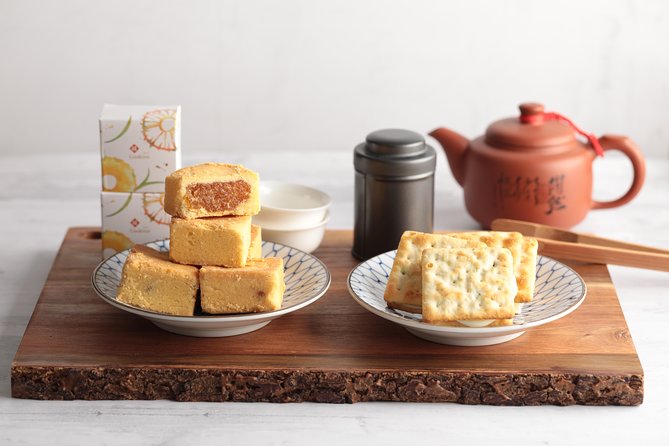
- What You’ll Bake: Pineapple Cakes, Mung Bean Cakes, and Scallion Nougat Crackers
- Pineapple Cakes: More Than a Sweet Icon
- Mung Bean Cakes: Traditional Comfort Food
- Scallion Nougat Crackers: Savory Meets Milky-Sweet
- The Meaning Behind the Menu: Learning Why These Treats Get Gifted
- Oolong Tea Tasting: Traditional Tea Culture Meets Real Snack Time
- The Take-Home Part: To-Go Box, Special Souvenir Packaging, and Recipes
- Group Size and Instructor Style: Why the Class Feels Comfortable
- Price and Value: Is $80 Actually Fair Here?
- When to Go and How to Plan Your Afternoon Around It
- Who This Class Is For (and Who Might Skip It)
- Should You Book This Taiwanese Baking Class in Taipei?
- FAQ
- What pastries are included in the class?
- How long is the Taiwanese baking class?
- What time does it start, and where does it meet?
- Is tea included?
- What do I take home?
- What’s the cancellation and weather situation?
Key Things That Make This Baking Class Worth Your Time
- Two-and-a-half-hour hands-on session focused on traditional Taiwanese pastries
- Oolong tea service paired with what you bake
- Fortune-meaning pineapple cakes (you’ll learn the blessing behind the name)
- To-go goodies and packaging so you can take the results home
- Small group size (max 10), which helps the class stay calm and interactive
First Stop: CookInn Taiwan in Zhongshan (and Why Location Matters)
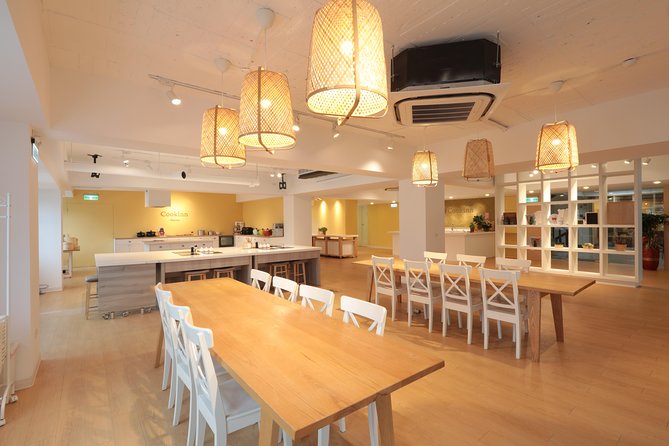
Your class starts at Cookinn Taiwan in the Zhongshan 教室 area, on Chengde Rd in Taipei City’s Datong District. The exact meeting point is 103, Section 1, Chengde Rd, 66號, 2樓. You’ll want to arrive a few minutes early so you can get settled before the instructor starts guiding the group.
I like that this place is near public transportation. Taipei is easy, but not all activities are. Here, you’re not stuck guessing about how to reach a far-off studio. Also, the activity ends back at the meeting point, so there’s no awkward mid-afternoon scramble to connect to your next plan.
The schedule matters too. The start time is 2:30 pm, and the class runs about 2 hours, with tea and snacks built in for a roughly 2.5-hour overall experience. That timing is great if you want something after lunch, but before dinner turns into a full-on Taipei food mission.
You can also read our reviews of more tours and experiences in Taipei.
What You’ll Bake: Pineapple Cakes, Mung Bean Cakes, and Scallion Nougat Crackers
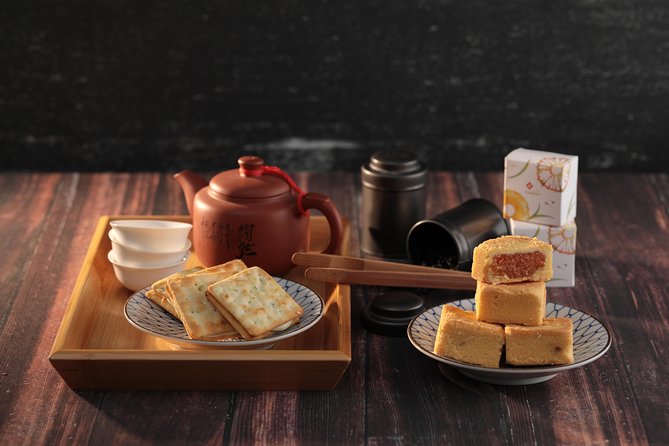
This class is built around traditional Taiwanese pastries that people commonly gift and share. The biggest win here is that you’re not just tasting. You’re making pastries that have real cultural “why” behind them.
Pineapple Cakes: More Than a Sweet Icon
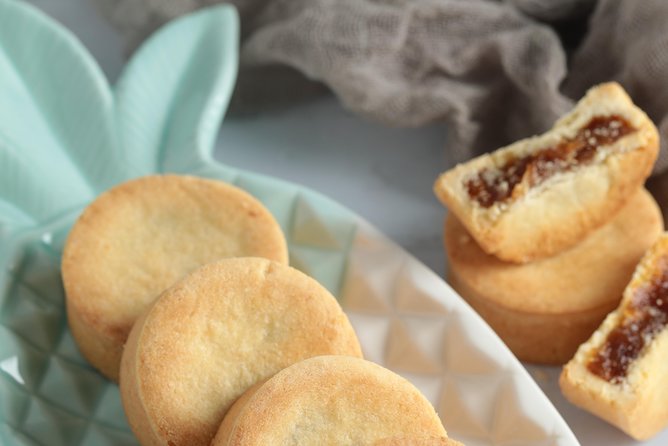
Pineapple cakes are famous as a Taiwanese souvenir. But the deeper reason is fun and surprisingly logical: the Chinese name for pineapple is pronounced in a way that sounds like a blessing meaning for fortune and prosperity to come.
That matters because it changes how you view the pastry while you work. Instead of thinking, I’m making a cookie, you’re crafting a gift-message. It’s also one of those travel moments where your hands learn something your brain can repeat later—perfect for actually using what you learn.
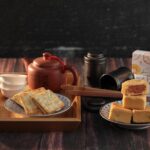
When the pineapple cakes come out, you get to enjoy your results as part of the snack and tea portion afterward.
Mung Bean Cakes: Traditional Comfort Food
You’ll also learn mung bean cakes, another classic Taiwanese pastry. Mung bean shows up all over Taiwanese sweets, and it’s especially common in pastries because it can be sweet, smooth, and forgiving to work with in baking-style formats.
The practical value for you: these are flavors you’ll recognize, and they’re a gateway into Taiwanese bakery tastes beyond the tourist-friendly “only pineapple” story.
Scallion Nougat Crackers: Savory Meets Milky-Sweet
The class experience also includes scallion nougat crackers—flaky, savory crackers that sandwich milky-sweet nougat. This combination is the kind of snack Taiwan does well: not purely sweet, not purely salty, and not afraid of that in-between flavor tension.
One review highlight stuck with me: the final scallion crackers and pineapple cakes came out beautifully packaged for take-home, along with recipes. That packaging part isn’t just convenience—it helps your pastries survive the trip home with less stress.



The Meaning Behind the Menu: Learning Why These Treats Get Gifted
A big part of the value here is the cultural context you get while you’re working. Pineapple cakes are often treated like an all-purpose good-luck gift. You’ll hear the story of why that blessing fits the pastry name, and you’ll connect it to what you’re physically shaping in the class.
Even if you’re not the type who usually reads food lore, this kind of explanation turns your souvenirs from random buys into stories you can share. And if you’re traveling with family or friends, gifts that come with a personal “why” land better than generic sweets.
This class also frames the experience around “good fortune pastries,” which is a neat way to keep the session upbeat. You’re basically baking something that symbolizes wishes, then enjoying it while learning basic tea culture too.
Oolong Tea Tasting: Traditional Tea Culture Meets Real Snack Time
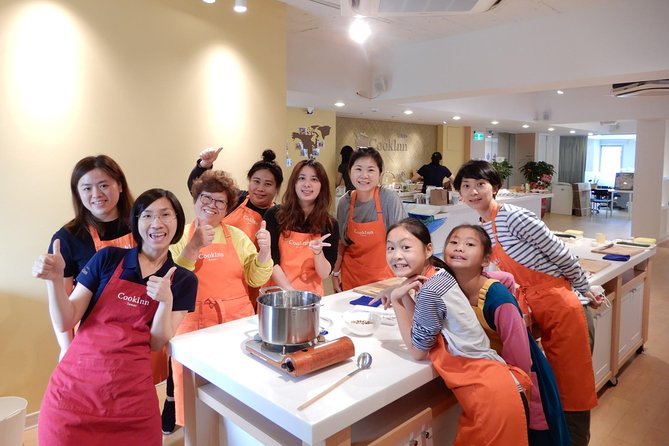
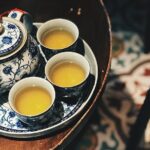
Once your pastries are ready, the session shifts into tasting and tea. You’ll enjoy the fruits of your labor with an oolong tea service, plus snacks.
You’ll also get an introduction to traditional Taiwanese tea culture. The tea itself is a big deal here. Taiwan oolong tea is known for distinctive flavor that ties back to its growing conditions. The point isn’t to teach you a chemistry lesson; it’s to give you enough context to taste with attention.
Here’s what I think is worth it for you: pairing tea with what you baked makes the class feel complete. You’re not just taking edible items away. You’re learning how the flavors connect—sweet pastry with tea aroma, then adjusting your taste as you go.
If you love food travel but don’t want to spend your whole afternoon shopping, this is a solid use of time. It’s taste-forward, not lecture-heavy, and it gives you that satisfying moment when you sit down, relax, and eat what you made.
The Take-Home Part: To-Go Box, Special Souvenir Packaging, and Recipes
One of the best reasons to book this class is what you leave with. This isn’t a you-only-eat-here situation.
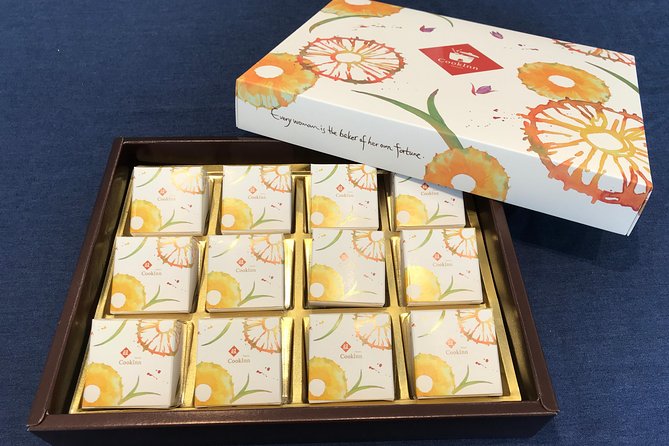
You’ll receive to-go goodies, including a special souvenir box prepared for bringing the good fortune home. That’s not a throwaway detail. Good travel food souvenirs have two jobs: taste good now, and still taste good later. When food is packaged well, you’re more likely to share it (or keep it) without it turning into a sad crumb situation.
You’ll also have recipes included. In my experience, recipes are what make a food class feel like learning rather than just eating. Even if you don’t bake immediately, you’ll have a starting point for recreating the flavors later.
Group Size and Instructor Style: Why the Class Feels Comfortable
The class runs with a maximum of 10 travelers. That’s a sweet spot. You get enough group energy to feel social, but not so many people that the instructor can’t give clear guidance.
The reviews emphasize how patient the instructor is and how clear the instructions are. That combination matters a lot in baking-style classes. Hand skills are hard to learn from a vague description. Here, the teaching approach is what makes you feel like you can actually do it.
If you worry you’ll be slow, forgetful, or out of sync with the group, this is the type of class that tends to reduce that pressure—because the instructions are designed for people who aren’t Taiwanese pastry pros.
Price and Value: Is $80 Actually Fair Here?
At $80 per person, this isn’t a cheap impulse buy. But it also isn’t just a tea-and-cookie tasting where you stand around.
You’re paying for:
- A real, hands-on baking experience
- Multiple traditional items you learn and enjoy
- Snacks and an oolong tea service
- To-go goodies plus a special souvenir box
- Recipes to take home
- A small-group setting (max 10) that supports better instruction
If you break it down, the tea and food service are part of it, but the real value is that you’re getting a guided activity with take-home results. In other words, you’re paying for the experience and the edible souvenir, not just one or the other.
If you love Taipei food culture and you’d actually use the recipes later, the price starts to feel more reasonable. If you’re only passing through and want the lowest-cost thing possible, you may decide to spend your budget on night market snacks instead.
When to Go and How to Plan Your Afternoon Around It
This class starts at 2:30 pm and runs about 2 hours, with the full experience feeling closer to 2.5 hours once tea and snacks land.
If you’re building a Taipei itinerary, this is a great mid-afternoon block. It also helps you avoid the problem of traveling only during peak evening crowds. After this class, you’ll still have time to walk, shop, or eat dinner without feeling rushed.
One thing to keep in mind: the experience requires good weather. That doesn’t mean you’ll be outdoors the whole time, but it does mean plans can shift if conditions are poor.
Who This Class Is For (and Who Might Skip It)
This works especially well for:
- Foodies who want to do something with their hands, not just eat
- People who like Taiwanese culture tied to everyday things like snacks and tea
- Travelers who want a meaningful souvenir with a story and recipes
- Anyone who enjoys tea pairings and wants a short cultural lesson without a long museum-style commitment
You might skip it if:
- You’re looking for the cheapest food activity
- You want purely sightseeing with no cooking focus
- You can’t fit a 2:30 pm start time into your schedule
Should You Book This Taiwanese Baking Class in Taipei?
I’d book it if you want a Taipei experience that’s both tasty and educational, with a clear payoff: pastries you make yourself, plus oolong tea and a take-home box. The small group size and the emphasis on clear, patient instruction make it feel welcoming, even if you don’t bake at home.
I’d think twice only if $80 feels too steep for a short class or if you’re not interested in baking at all. In that case, Taipei has plenty of food stops where you can eat without investing an afternoon.
For everyone else—the people who like doing, tasting, and bringing something home—this is a strong value. It’s one of those activities that gives you a story you can still feel months later, because you’ll have the recipes and the pastries to remind you.
FAQ
What pastries are included in the class?
You’ll learn how to make traditional Taiwanese pastries, including pineapple cakes and mung bean cakes. The experience also focuses on snacks like scallion nougat crackers.
How long is the Taiwanese baking class?
The duration is about 2 hours, and the overall experience is around 2.5 hours with snacks and tea service included.
What time does it start, and where does it meet?
It starts at 2:30 pm. The meeting point is Cookinn Taiwan (Zhongshan 中山教室), 103, Section 1, Chengde Rd, 66號2樓, Taipei City, Datong District. It ends back at the meeting point.
Is tea included?
Yes. There’s an oolong tea service, and the instructor also introduces traditional Taiwanese tea culture.
What do I take home?
You’ll leave with to-go goodies, including pastries in a take-home box, and you’ll receive recipes.
What’s the cancellation and weather situation?
Cancellation is free up to 24 hours before the experience’s start time for a full refund. The experience requires good weather, and if it’s canceled due to poor weather, you’ll be offered a different date or a full refund.