REVIEW · TAIPEI
Street Food Cooking Class in Taipei : Gua Bao/Lu Rou Fan/Boba Tea
Book on Viator →Operated by CookInn Taiwan · Bookable on Viator
Street food here has a science to it. In this Taipei class, you learn to cook classic xiao chi the way locals do, with guided, hands-on training and a small group size that keeps the instruction personal. I especially liked how you’re not just watching—you make real components like the steamed gua bao buns and the braised pork topping, then you eat what you made.
I also love the way the food experience turns into a real skill. Angela, one of the instructors, comes across as friendly and patient, and she’ll walk you through each step so the process feels manageable. One possible drawback: the bubble tea part can be tricky, since getting chewy tapioca pearls takes attention and a bit of practice, even when you’re following along.
In This Review
- Key highlights to look for
- Taipei’s xiao chi, taught by doing: gua bao, lu rou fan, boba tea
- Where it starts: CookInn Taiwan (Zhongshan) at 2:30 pm
- Gua bao basics: steamed buns and braised pork belly technique
- Lu rou fan: turning braised pork into comfort over rice
- Bubble milk tea workshop: chewy tapioca pearls and your own shake-up
- The meal at the end: sit down and eat what you made
- Value check: is $79 worth it for skills, not just snacks?
- Who this Taipei cooking class fits best
- Should you book this street-food cooking class in Taipei?
- FAQ
- What dishes do I learn to make?
- How long is the class?
- Where does the class meet?
- What time does it start?
- How many people are in the group?
- Is there a mobile ticket?
- What’s included at the end?
- Can I cancel for free?
- What if the class is canceled due to low sign-ups?
- Does the tour end where it starts?
Key highlights to look for
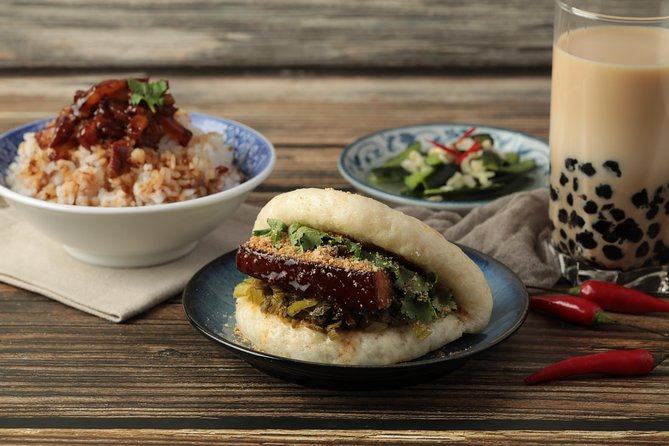
- Small-group format (max 8) so you get direct help, not vague tips
- Gua bao from scratch, including the steamed bun process and pork topping braise guidance
- Lu rou fan technique, building flavor around classic braised pork over rice
- Bubble milk tea workshop, including making tapioca pearls from scratch
- You end class hungry, with a homemade meal you sit down to enjoy
- A take-home recipe book that feels like a real souvenir, not just paperwork
Taipei’s xiao chi, taught by doing: gua bao, lu rou fan, boba tea
If you’ve eaten Taiwanese street snacks in night markets, you already know the vibe: fast, flavorful, and built for variety. What I like about this class is that it focuses on xiao chi, the popular small eats that make Taipei food feel like a game you can learn to play.
The main dishes you’ll work on are the big classics. Gua bao—often called the Taiwanese hamburger—is built around soft steamed buns paired with braised pork belly. Lu rou fan is the comforting cousin: braised pork turned into a topping that gets eaten over rice. And bubble milk tea is the drink Taiwan turned into a global obsession, with tapioca pearls that are all about texture.
In real life, street food tastes easy because someone else already handled the timing, heat, and technique. Here, you get to understand what’s behind those flavors by doing the tasks yourself. You steam, you braise, you learn how pearls should feel, and you shake up a cup of bubble milk tea with your own hands.
That mix is why this works better than a regular food tour. You’ll still get the food culture connection, but you also leave with repeatable know-how.
You can also read our reviews of more tours and experiences in Taipei.
Where it starts: CookInn Taiwan (Zhongshan) at 2:30 pm
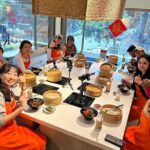
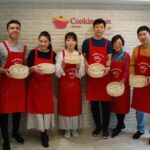
The class begins at CookInn Taiwan in the Zhongshan area, specifically at the Zhongshan teaching room address on Chengde Rd, Datong District. Start time is 2:30 pm, and the session runs about 2 hours.
Check-in is straightforward. You’ll have a mobile ticket, and the activity ends back at the meeting point. That matters because it keeps your afternoon simple—you’re not trying to coordinate multiple food stops across the city after you’ve already cooked and eaten.
I like that the timing is long enough to actually learn, but short enough that you still have room for a dinner plan afterward. Taipei can be packed, and a two-hour hands-on block is a nice way to get a focused food experience without eating up your whole day.
Also, the class has a maximum of 8 travelers. For a cooking class, that size is a big deal. You’re close enough to your instructor for real guidance, and you’re not waiting around for someone else to finish an assignment before you can start.
Gua bao basics: steamed buns and braised pork belly technique
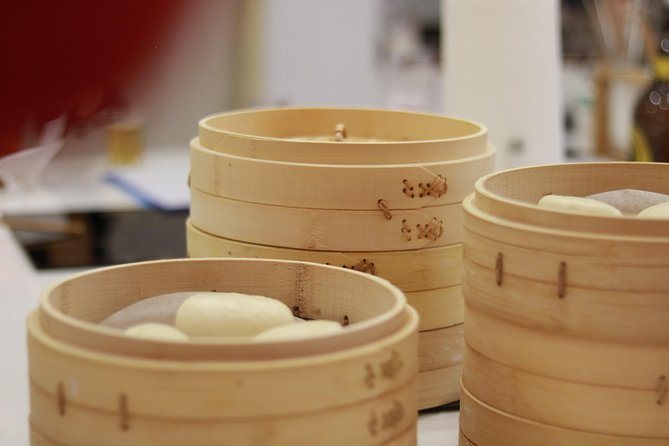
Gua bao is the star you’ll likely remember first. The class includes learning how to make the steamed buns for gua bao, plus the guidance that goes into braising classic pork belly for the topping.
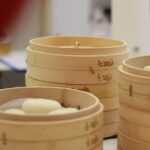
The steamed bun part is more than just a dough step. It’s where texture lives. You’re learning the process of steaming the buns in a way that makes them soft and ready to hold the filling without going soggy. Even if you’ve only ever ordered gua bao from a vendor, this lets you see why the bun matters just as much as the pork.
Then comes the braised pork belly approach. You’ll get tips for braising classic pork belly, which is the foundation behind that signature savory, spoonable topping. The instructor guidance is useful here because braising tends to be one of those techniques people either guess at or overcorrect. You’ll be learning what to pay attention to so the pork ends up right for spooning into the bun.
In the kitchen, this is also where you’ll see why small-group classes feel different. When you’re working with heat and timing, having someone like Angela available to help you get back on track can be the difference between a dish that works and one that turns into a learning story.
A practical tip: when you’re making gua bao components, take a second to watch how the instructor handles each step, then copy it exactly. Later, when you try it at home, you’ll appreciate knowing what mattered most in the process.
Lu rou fan: turning braised pork into comfort over rice
Lu rou fan is one of those dishes that makes you understand Taiwanese home comfort even if you’re eating it street-style. In this class, you’ll use your braised pork belly approach to build the lu rou fan topping.
Here’s why it’s a smart addition to the class. Gua bao teaches you how pork and bun fit together. Lu rou fan shows you how that same pork flavor becomes a meal without the bun. It’s the same core idea—braised pork—but the eating experience changes completely.
When you make lu rou fan in class, you’re not just assembling food. You’re learning how the topping behaves once it lands on rice, how portioning works, and how the dish comes together for a satisfying, bowl-friendly meal.
Some people love gua bao so much they forget to pay attention to the pork base. Lu rou fan helps you focus on the pork itself. One review note that the lu rou was also good, but the gua bao was the standout. That makes sense: gua bao is hands-on and built in a way that feels fun and interactive. Still, lu rou teaches you the flavor logic you’ll want if you plan to cook later at home.
Bubble milk tea workshop: chewy tapioca pearls and your own shake-up
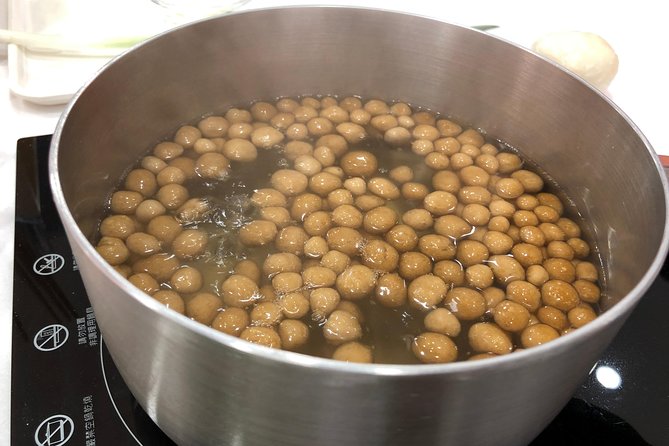
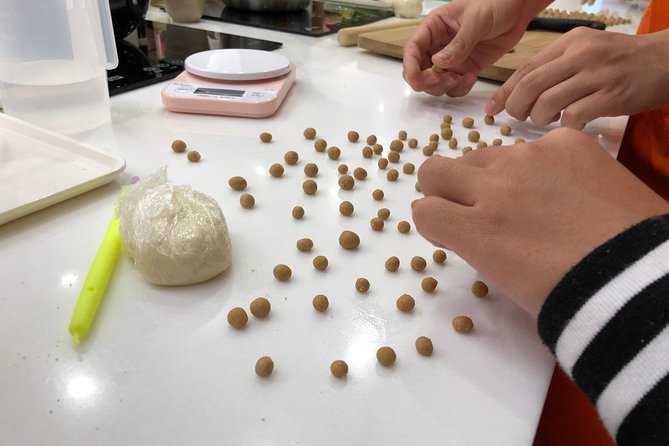
If you’ve ever had bubble tea that was too soft or too chewy in the wrong way, you already know pearls can make or break the drink. This class tackles that directly by having you make the chewy tapioca pearls from scratch.
This is the part that can feel hardest. Even with instruction, pearl-making needs focus because the texture goal is specific. You’re not just boiling something; you’re aiming for the right chew. One review described the boba process as very hard, and that lines up with what you should expect. The upside is that you’re learning the technique, not just tasting the result.
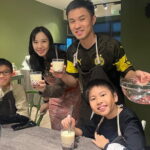
Then you’ll shake a cup of bubble milk tea by yourself. That step turns the workshop from cooking into performance. It’s the moment you go from ingredients to the final drink, and you’ll likely notice how the tea sweetness, milk integration, and overall balance feel different once you’ve handled the process yourself.
I’d treat this section like the main event, even if you’re more focused on the food. Learning pearls and tea-making is why bubble tea is such a good “skill souvenir.” You can recreate the drink at home and adjust it to your own preferences once you understand the baseline technique.



The meal at the end: sit down and eat what you made
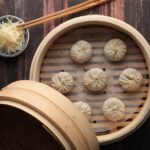
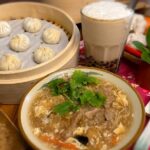
One of the best parts of any cooking class is whether it ends with food you’re excited about. This one does. After the cooking work, you sit down to enjoy your homemade meal, including the dishes you prepared.
That matters because you get two payoffs. First, you taste what your hands produced while the learning is fresh. Second, you can figure out what you liked about your own version—texture, balance, and how the different parts work together.
In reviews, people highlighted that the food came out amazing and that they couldn’t wait to try again at home. That’s exactly what you should hope for: a class where the finish is edible success, not a “we made something” moment.
If you’re coming hungry, this is the right place. Between steamed buns, braised pork topping, and bubble tea, you’ll get a full sense of how the pieces fit into Taipei street-food style eating—comfort food plus snackable joy.
Value check: is $79 worth it for skills, not just snacks?
At $79 per person, this isn’t the cheapest way to eat in Taipei. But it’s also not trying to be. What you’re paying for is instruction, hands-on practice, and a small-group setup that keeps you from feeling lost in a crowd.
For me, the value comes from three things you can’t easily buy on your own:
- You learn technique in a guided environment, especially for the components that usually feel mysterious, like braised pork belly and tapioca pearls.
- You leave with a recipe book you can use later as a souvenir you’ll actually open again.
- You finish with a meal you cooked, which closes the loop. You’re not spending your time in a kitchen and then grabbing something random afterward.
Also, class size maxes at 8, which supports the idea that the instructor can correct and guide instead of just demonstrating. And when Angela is patient with different age groups—one review mentioned she was comfortable working with kids around ages 8, 10, and 11—it suggests the teaching style is practical and supportive, not intimidating.
If you like to cook or you enjoy food culture beyond eating, this class looks like strong value. If you mainly want to wander and snack on the street, you might decide the class is too structured. But if your goal is to learn how the food is built, the price starts to feel fair.
Who this Taipei cooking class fits best
This works well for you if any of these are true:
- You want a hands-on Taipei experience that still connects to street food culture.
- You like making food instead of only tasting it.
- You want a small-group class that offers real attention from the instructor, including Angela’s friendly guidance.
- You’re traveling with family and want an activity that can handle kids without turning chaotic (the class has demonstrated patience with children in one review).
It’s also a smart choice for couples or solo travelers who want something social but not crowded. With a max of 8, it’s easy to participate without feeling like you’re in a big production.
On the flip side, if you hate kitchen tasks or you’re hoping for lots of sightseeing during the time block, this may feel too focused. You’re cooking, not touring.
Should you book this street-food cooking class in Taipei?
I’d book it if your goal is to bring Taipei flavor home in a way that actually sticks. The combination of gua bao, lu rou fan, and bubble tea isn’t random—it’s built around core techniques you can reuse: steaming, braising, and making chewy pearls.
The biggest reason to book is that you’re not just sampling. You’re learning. And the strongest reason to consider it carefully is the bubble tea pearls section, which can require patience and close attention. If you’re okay with that and want a real skill, you’ll likely enjoy the challenge.
If you can spare a two-hour block starting at 2:30 pm, plan to eat well afterward, and come ready to cook, this is a fun, practical Taipei experience with real take-home payoff.
FAQ
What dishes do I learn to make?
You’ll learn to make gua bao (including steamed buns and braised pork belly tips), lu rou fan (braised pork belly served over rice), and bubble milk tea (including making tapioca pearls and shaking your drink).
How long is the class?
The class runs about 2 hours.
Where does the class meet?
You meet at CookInn Taiwan, Zhongshan teaching room, located at 66號2樓, Chengde Rd, Section 1, Datong District, Taipei City.
What time does it start?
The class start time is 2:30 pm.
How many people are in the group?
The class has a maximum of 8 travelers.
Is there a mobile ticket?
Yes, the experience uses a mobile ticket.
What’s included at the end?
You end class with a homemade meal that you sit down to enjoy.
Can I cancel for free?
Yes. You can cancel for a full refund if you cancel at least 24 hours before the experience’s start time.
What if the class is canceled due to low sign-ups?
If the minimum number of travelers isn’t met, the experience may be canceled and you’ll be offered a different date/experience or a full refund.
Does the tour end where it starts?
Yes, it ends back at the meeting point.