REVIEW · TAIPEI
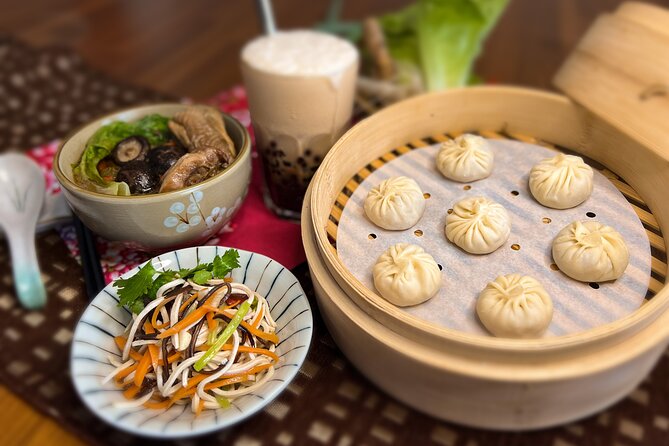
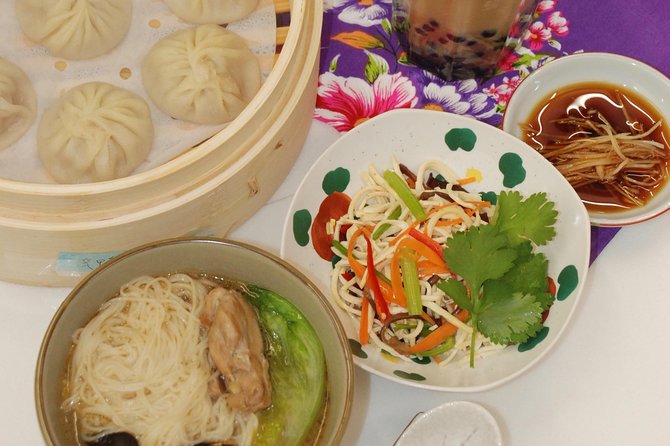
Xiao Long Bao, Chicken vermicelli with mushroom and sesame oil, Tofu strips salad, Bubble milk tea. Taiwan Traditional Delicacies Experience-A (Taipei Cooking Class)
Book on Viator →Operated by Cooking Fun Taiwan 暖心廚房 · Bookable on Viator
Warm dumplings beat a plan-too-early schedule. This Taipei Traditional Delicacies cooking class is built around hands-on comfort food and a small group size, with instruction in Chinese, English, and Japanese so you can actually follow what’s happening at the cutting board and steamer. You’ll make classic Taiwan favorites, then leave with recipes sent after class—useful when you want to repeat the dishes back home.
I especially like the focus on everyday Taiwanese flavors (not just a photo opportunity), like Xiao Long Bao plus a sesame-oil chicken vermicelli dish. I also like that the studio is reported to be very clean and air-conditioned, which matters when you’re working for a few hours in a warm city. One possible drawback: the experience can shift or cancel if weather or minimum group numbers don’t line up, so you should keep some flexibility in your Taipei plans.
In This Review
- Key Highlights You’ll Care About
- CookingFunTaiwan in Taipei: what this 3-hour class is really like
- Your menu: four Taiwanese comfort foods (and what you’ll learn from each)
- Xiao Long Bao: the dumpling skill that changes how you think about Taiwan food
- Chicken vermicelli with mushroom and sesame oil: where aroma becomes the seasoning
- Tofu strips salad: cool, crunchy, and built for contrast
- Bubble milk tea: the sweet finale that actually fits the meal
- Entering the class space near Sun Yat-sen Memorial Hall: getting oriented fast
- How the lesson flows at CookingFunTaiwan (and why the pacing matters)
- Language support with Chinese, English, and Japanese: how you’ll follow the steps
- Dietary needs and family-friendly cooking rules (so you can plan without surprises)
- Price and value: is $77 for Taipei cooking fair?
- Who this Taipei class suits best (and who might want to skip)
- FAQ
- FAQ
- What time does Taiwan Traditional Delicacies Experience-A run?
- How long is the cooking class?
- What dishes are included in the experience?
- How many people are in each class?
- What languages are used during instruction?
- Can you accommodate vegetarian diets or allergies?
- Where does the class take place?
- Is it free to cancel?
- What happens if weather is bad?
- Should you book this Taipei traditional delicacies cooking class?
Key Highlights You’ll Care About
- Small class size (max 10) keeps the pace comfortable and the help more personal
- Four Taiwan staples: Xiao Long Bao, chicken vermicelli with mushrooms and sesame oil, tofu strips salad, bubble milk tea
- Trilingual support (Chinese, English, Japanese), with English help from translator Dawn
- Clean, air-conditioned teaching space so you can cook without sweating through everything
- Recipes sent after class so you can recreate the dishes later without guessing
CookingFunTaiwan in Taipei: what this 3-hour class is really like
CookingFunTaiwan 暖心廚房 is the kind of place where the goal is practical: you learn the steps, you understand the flavor logic, and you walk out with food you’d actually want to eat again. The class runs 10:00–13:00 and keeps the group capped at 10 travelers, which is a big deal for cooking instruction. When the class is small, instructors can correct small technique issues fast, instead of giving one-size-fits-all guidance.
I also like that they treat this as a cultural food lesson, not only a plating contest. Expect talk about local eating habits alongside the cooking. That matters because Taiwanese dishes can feel simple at first glance, but details like sesame oil timing, dumpling texture, and seasoning balance are where the magic lives.
One more smart touch: after the class, you get the course recipe materials sent to you. It’s the difference between remembering that dumplings were good versus being able to recreate the process later.
You can also read our reviews of more tours and experiences in Taipei.
Your menu: four Taiwanese comfort foods (and what you’ll learn from each)
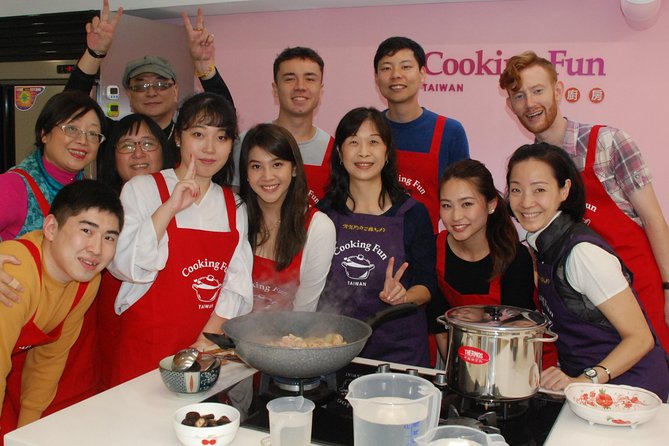
This class centers on a classic Taiwan spread, and the lineup is practical for home cooking. You’re not just making one dish you’ll never attempt again. You get a dumpling project, a noodle dish, a fresh cold component, and a sweet drink.
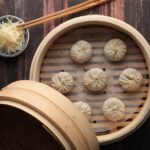
Xiao Long Bao: the dumpling skill that changes how you think about Taiwan food
Xiao Long Bao is the centerpiece for a reason. It’s not only about folding—it’s about learning what makes the filling cohesive and the final bite feel juicy instead of dry. Even if you’ve never steamed dumplings before, this is the kind of skill where good instruction helps fast: you’ll follow steps designed to prevent the most common dumpling problems.
This is also where you’ll likely see why the hosts are described as patient. Dumpling technique takes a few tries, and in a small group, you can actually get that extra nudge instead of feeling rushed.
Chicken vermicelli with mushroom and sesame oil: where aroma becomes the seasoning
This dish is all about fragrance and balance. Sesame oil isn’t just a flavoring—it’s an ingredient that can go from perfect to overpowering if the timing or amount is off. Learning how it’s used in a mushroom-forward noodle bowl gives you a Taiwan-style shortcut you can reuse.
You’ll also get practice with textures: vermicelli that’s tender but not mushy, mushrooms that bring depth, and chicken that blends into a savory base. It’s comfort food that doesn’t need heavy sauces.
Tofu strips salad: cool, crunchy, and built for contrast
The tofu strips salad gives you a contrast to the warm dumpling and noodle dishes. In a good Taiwanese meal, you don’t want everything to be hot and heavy. This one is designed to balance the meal with a fresh, lighter bite and a different texture.
Even if you don’t think you’ll cook tofu often at home, this component helps you understand how Taiwan-style salads are built: seasoning first, texture next, then a quick assembly that keeps the dish from turning soggy.


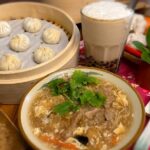
Bubble milk tea: the sweet finale that actually fits the meal
Bubble milk tea closes the circle. It’s not only a treat; it also teaches how to think about the whole meal rhythm. You go from savory dumplings to a warm noodle dish to a cool salad, then end with something sweet and comforting.
This is the kind of “fun but useful” cooking moment. If you’re a fan of bubble tea, you’ll appreciate being able to connect taste to method instead of just buying a cup and hoping it matches.
Entering the class space near Sun Yat-sen Memorial Hall: getting oriented fast
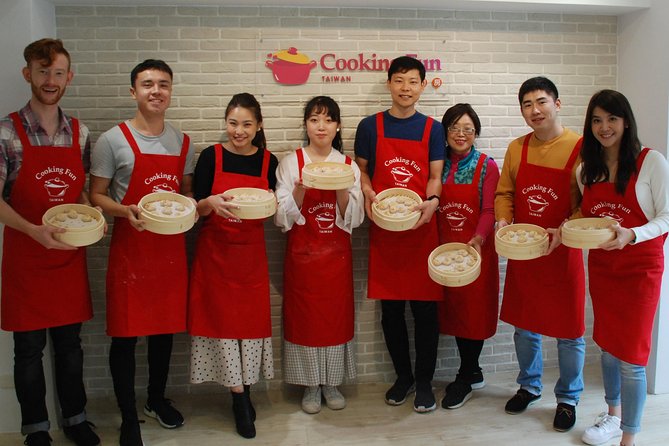
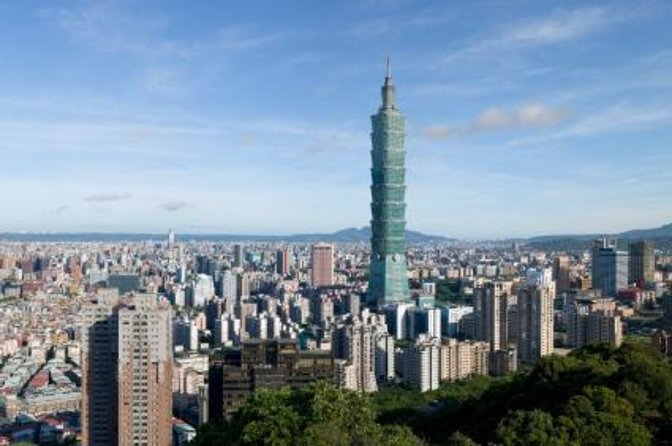
You meet in the Da’an District area, associated with the Sun Yat-sen Memorial Hall zone, and the class instruction takes place at 10694 Taipei, No. 5, Lane 290, Guangfu S Rd, 2F. For first-timers, I’d treat this as a “show up a little early” situation. Not because it’s complicated, but because good check-in keeps the class from starting with a mini scramble.
The teaching space is described as very clean and air-conditioned, which matters in Taipei. You’ll be handling food and tools for a few hours, and cooking comfort affects everything: your focus, your pace, and how relaxed you feel when techniques get fiddly.
How the lesson flows at CookingFunTaiwan (and why the pacing matters)
The class runs for about 3 hours, and the structure is simple: you cook, you adjust, you taste, and you learn the logic behind the dish. Since the group size is capped at 10, the lesson can keep moving without leaving people behind.
Here’s why that pacing is valuable for you:
- You’ll get feedback while it still helps: cooking is timing-based. If you only learn later, it’s hard to correct.
- You can ask questions without shouting: small groups make translation and clarification feel normal, not chaotic.
- You’ll keep momentum: dumplings and noodle dishes both punish waiting too long, so the flow helps you get a better result.
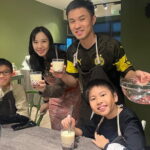
Based on how the hosts and staff are described, the atmosphere is the calm kind of energetic: friendly guidance, room to try, and no harsh “you should already know this” vibe. If you’re cooking with family, that tone makes a big difference.
Language support with Chinese, English, and Japanese: how you’ll follow the steps
Cooking teachers speak Chinese, English, and Japanese (with language support matched per class needs). If you’re cooking in English, one named translator who appears in the experience is Dawn. That kind of consistent translation support makes the difference between memorizing steps and actually understanding what each step is trying to accomplish.
When you’re learning dumpling technique, small instructions matter. Things like how to fold, how to position, and what texture to aim for aren’t obvious from a picture. With real-time language support, you can correct course quickly instead of guessing.
Practical tip for you: if your group includes different language levels, ask the staff early how to interpret the pace and instruction style for each person. They’re set up for it, and it keeps everyone cooking confidently.
Dietary needs and family-friendly cooking rules (so you can plan without surprises)
The class explicitly invites you to note special dietary needs, including vegetarian needs, dietary restrictions, and allergies, at the time of booking. If you have restrictions, don’t wait until the day of class. Food handling and seasoning are tightly connected in cooking lessons, so the smoother you are upfront, the better your experience will be.
If you’re bringing kids, the class has clear rules:
- For children under 11, there’s an additional charge of 1,200 TWD per child
- Each adult can bring one child (based on the rule provided)
- The focus is shared learning, so it’s not a “sit and watch” setup
This family-friendly structure is a real advantage. A lot of cooking classes say they work for families, but the technique-focused parts still overwhelm kids. Here, the class is built as an actual teaching space, and the staff is described as patient.
Price and value: is $77 for Taipei cooking fair?
At $77 per person for a 3-hour experience, you’re paying for more than ingredients. You’re paying for:
- structured instruction across multiple dishes
- small-group time (max 10), which is where real learning happens
- multi-language teaching support
- the recipe materials sent after class
You’re also getting a menu that covers different cooking styles: steaming and dumpling technique, seasoning and texture work for noodles, a cold component, and bubble tea. That variety means you leave with several repeatable skills rather than one “cool story” dish.
If you like hands-on lessons and want a meal that feels like actual Taiwan—not a generic cooking class—this price often feels fair. If you only want one dish or you’re mainly looking for restaurant-style tasting, you might find better value elsewhere. But for food lovers who want technique and flavors you can recreate, this fits the bill.
Who this Taipei class suits best (and who might want to skip)
This works best if you:
- want a small-group cooking lesson instead of a big tour bus vibe
- enjoy learning technique, not only tasting
- like Taiwanese comfort food and want to understand what makes it taste right
- are traveling with a friend or family member and want a shared activity
You might consider skipping if:
- you want a passive sightseeing day instead of hands-on cooking
- you’re unable to adjust your schedule if weather or minimum traveler numbers force a change
- you’re only interested in one very specific dish and the rest doesn’t interest you
Overall, this class is built for travelers who like to take home a skill, not only a memory.
FAQ
FAQ
What time does Taiwan Traditional Delicacies Experience-A run?
The class runs from 10:00 to 13:00. The listing indicates it runs daily during that time window.
How long is the cooking class?
It lasts about 3 hours.
What dishes are included in the experience?
You’ll make Xiao Long Bao, chicken vermicelli with mushroom and sesame oil, tofu strips salad, and bubble milk tea.
How many people are in each class?
The class has a maximum of 10 travelers.
What languages are used during instruction?
Instruction is provided in Chinese, English, and Japanese, with language support matched to the class.
Can you accommodate vegetarian diets or allergies?
Yes. You should add notes about vegetarian needs, dietary restrictions, and allergies when reserving.
Where does the class take place?
The address is 10694 Taipei, No. 5, Lane 290, Guangfu S Rd, Da’an District, Taipei City, Taiwan 106. The meeting point is on the 2F.
Is it free to cancel?
Cancellation is free up to 24 hours in advance for a full refund, based on local time.
What happens if weather is bad?
The experience requires good weather. If it’s canceled due to poor weather, you’ll be offered a different date or a full refund.
Should you book this Taipei traditional delicacies cooking class?
If you want a hands-on Taiwan food lesson that mixes dumpling technique with noodle seasoning, a cool tofu dish, and bubble milk tea, I’d book it. The small group size, clean air-conditioned space, and real language support make it feel built for learning, not just participating. If you have dietary restrictions or allergies, send those details early and you’ll set yourself up for a smooth, enjoyable class. And if your schedule is tight, keep a little flexibility in mind since weather and group minimums can affect dates.