REVIEW · TAKAYAMA
Traditional Japanese Tea Ceremony at Master’s Private Tea Room
Book on Viator →Operated by Hisa Takayama Private Tour Guide · Bookable on Viator
Tea tastes different in a real machiya. This is a private Japanese tea ceremony in Takayama inside a still-intact machiya townhouse, with the added wow of a home that once functioned as an obstetrics and gynecology clinic. I also love that the experience builds on the house itself, so you’re not just drinking tea, you’re learning why this architecture and daily life pattern matters.
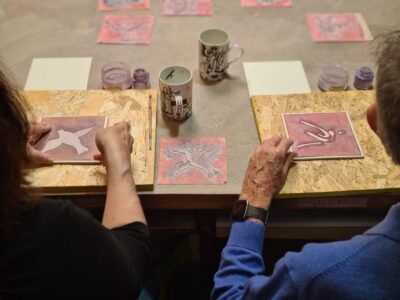
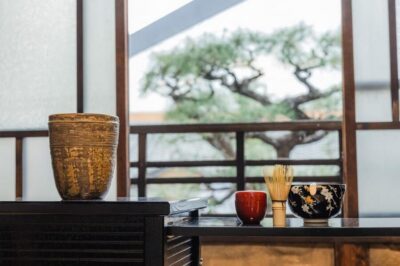
Two things I really liked: the teaching is hands-on, and Bob-san shows you how to make green tea and macha. You also get seasonal fruits and sweets, which makes the tasting feel tied to the time of year, not like a generic set menu.
One thing to consider: the session is about 2 hours, so if you’re hoping for a long, slow, deep chat that runs into the late afternoon, you might finish feeling you could ask a few more questions.
In This Review
- Key Highlights Worth Planning Around
- Inside Takayama’s Preserved Machiya: Why the House Matters
- Tea With Seasonal Fruits and Sweets, Not a Generic Tasting
- Learning Green Tea and Macha From Bob-san
- What a Private Tea Room Changes (and What You Can Expect)
- Price and Value: What You’re Really Paying For at $97.73
- Timing in Takayama: How to Fit the Ceremony into Your Day
- Who Should Book This Tea Ceremony in Takayama?
- Should You Book This Takayama Tea Ceremony?
- FAQ
- Where is the meeting point for the tea ceremony?
- How long does the traditional Japanese tea ceremony take?
- Is this a private experience?
- What will I enjoy during the tea ceremony?
- What does the booking timeline look like?
- Can I cancel for a full refund?
Key Highlights Worth Planning Around
- A preserved Takayama machiya townhouse where everyday life can feel close to the surface
- Bob-san’s hands-on instruction in making green tea and macha
- Seasonal fruits and sweets that change the flavor mood of the whole experience
- A private group setup so the pacing stays calm and personal
- A unique building story: home plus a former obstetrics and gynecology clinic
Inside Takayama’s Preserved Machiya: Why the House Matters
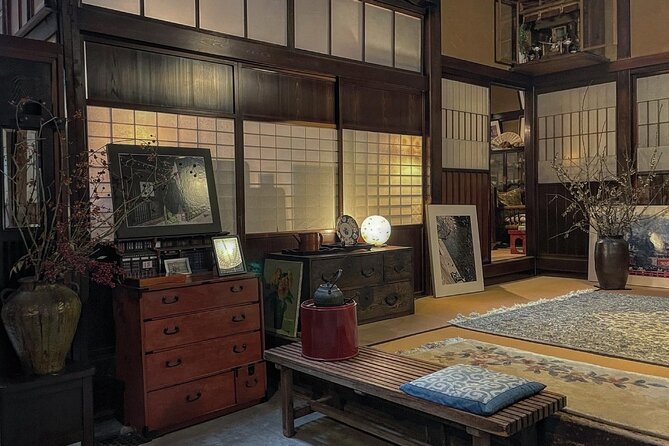
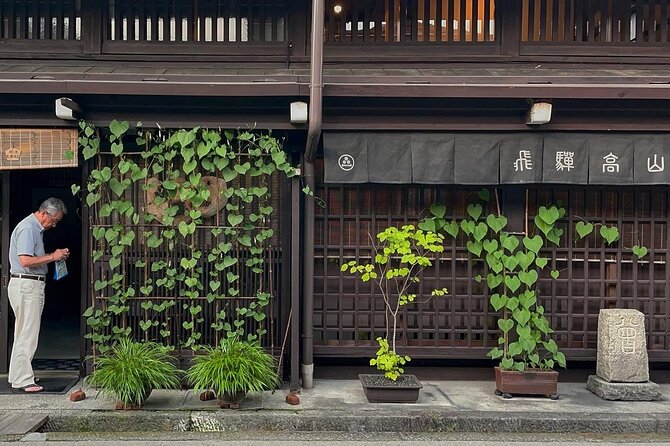
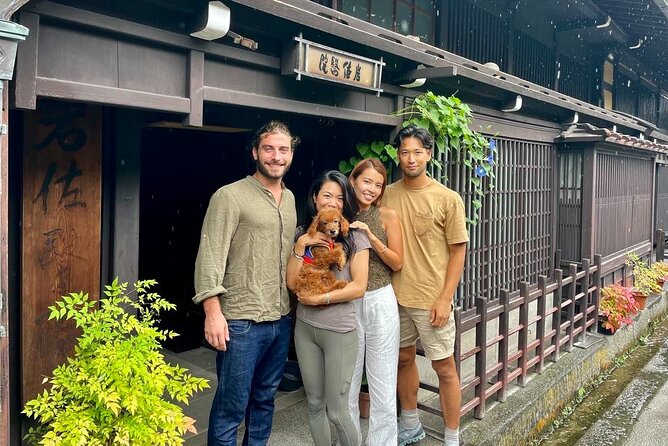
Takayama has plenty of character, but what makes this experience special is the setting. You’re stepping into a machiya, the Edo-period merchant house style known for its long, narrow shape. From outside, that narrow entrance can fool your brain. Inside, the layout and rhythm feel built for daily use—work, storage, family life, and hosting wrapped into one system.
I like that the host also frames the “format” of machiya architecture, then explains how different owners still chased beauty within that structure. That’s the difference between seeing an old building and actually understanding it. You start noticing why the materials and proportions were chosen, and you get a sense of how practical design and aesthetics lived side by side.
What adds a layer of intrigue is the building’s specific past. The townhouse you’ll be in once functioned as an obstetrics and gynecology clinic, and the way the main house and clinic space work together is described as a very unusual harmony. For me, that’s a useful reminder: old houses weren’t museums only. They were where real needs got handled, where routines happened, where relationships formed. A tea ceremony in that kind of space lands differently, because you’re surrounded by lived-in traces, not staged scenery.
Also, the pitch is not just about looks. This machiya is said to still be intact, sturdy, and convenient even after more than 200 years. That matters because it helps you appreciate craftsmanship as a long-term investment. In Japan, that old-school thinking shows up in places like joinery, material choices, and how spaces were designed to last.
Tea With Seasonal Fruits and Sweets, Not a Generic Tasting
This isn’t presented as a quick sip-and-go event. You’ll enjoy Japanese tea along with seasonal fruits and sweets. That combination is more meaningful than it first sounds.
Seasonality is built into how Japanese food culture talks to the year. If you taste something sweet that matches the season, it’s like getting a small seasonal calendar in edible form. And since the ceremony is tied to the seasonal set, your experience has a built-in “what’s different today” factor. Even if you’ve done tea tasting before, seasonal fruits and sweets can shift the mood and the flavors enough to keep it interesting.
I also appreciate that the focus isn’t only on flavor. Tea ceremonies are about attention. When there’s a course of tea and sweets, you naturally slow down. The house, the pace, and the served items work together so you’re not rushing through a food demo. You’re practicing the kind of calm focus that people associate with the tea tradition, but without needing to be an expert to follow along.
Learning Green Tea and Macha From Bob-san
The standout praise is about the host. In the reviews, Bob-san is named as an incredible guide—friendly and kind—and the teaching clearly goes beyond storytelling. He shows you how to make great green tea and macha.
That hands-on part is where the value jumps. A lecture can be interesting, but making tea yourself changes what you remember. You pay attention to steps you would never notice as an observer. The process also makes it easier to understand why tea culture is so precise without turning it into stiff performance.
Even if you’ve only ever had tea in cafes, this kind of practice gives you a clearer picture of what matters: not just taste, but preparation. You end up with a personal reference point. Later, when you order matcha or green tea somewhere else, you’ll probably catch details you didn’t before—texture, balance, and the effect of preparation on how the tea feels in your cup.
One more nice touch: because it’s a private setting, you can ask questions at the pace that suits you. Tea ceremony teaching works best when you’re not racing the clock or trying to interpret someone else’s instructions. You get time to figure out what you’re doing and to understand the why behind it as the session moves forward.
What a Private Tea Room Changes (and What You Can Expect)
This is a private tour/activity. Only your group participates, which is a big deal for an experience like this. Tea ceremony settings reward calm and attention. A private format means fewer interruptions, less waiting, and more chance to ask follow-ups without feeling rushed.
There’s also an important practical element: the experience ends back at the meeting point. That keeps the day simple. You don’t need to plan extra transportation just to get to a separate drop-off.
The location is given clearly, too: 2-chōme-147 Morishitamachi, Takayama, Gifu 506-0823, Japan. It’s also described as being near public transportation. So if you’re using buses or trains in Takayama, you can treat this as a neighborhood stop rather than a far-flung expedition.
You’ll have a mobile ticket. That matters because it cuts down on friction. You don’t want to waste your tea-time fussing with paper confirmations.
And yes, there’s room for practical needs: service animals are allowed, so the setting is mindful of that. If that’s relevant to you, you can plan without worry.
Price and Value: What You’re Really Paying For at $97.73
At $97.73 per person for about 2 hours, the price can look steep if you compare it to a typical casual tea shop visit. But this experience isn’t only about tea. It’s about access, setting, and instruction.
Here’s what you’re paying for, based on the experience description and how it’s delivered:
- A preserved machiya space that’s still intact and used for the ceremony
- A private, group-only setting (so you’re not squeezed into a crowd format)
- Tea plus seasonal fruits and sweets
- Hands-on teaching in green tea and macha, highlighted by Bob-san’s guidance
It’s the mix that justifies the cost. You’re not just tasting. You’re learning to do. And the setting isn’t interchangeable. The machiya details and the building’s unique past give the session a stronger “this is specific to this place” feeling than generic classes.
There’s also demand. It’s stated that, on average, this is booked about 99 days in advance. That’s usually a clue that people find the private format and teaching worth planning ahead for. If you’re traveling in a busy season, you’ll want to lock it in early rather than hope a last-minute spot opens up.
Timing in Takayama: How to Fit the Ceremony into Your Day
The experience runs with opening hours listed as Monday from 9:00 AM to 6:00 PM. That doesn’t guarantee daily availability, but it does tell you the time window you’ll likely be working within for scheduling.
Since you’re in a wooden, older machiya structure, I’d plan your day around it rather than squeezing it between two intense activities. Give yourself some buffer before the start. You’ll enjoy it more if you arrive calm, not out of breath.
Also, because confirmation is received within 48 hours of booking (subject to availability), you’ll want to avoid making your whole itinerary on the assumption that the spot is set until you have that confirmation.
A smart approach: treat this as a palate reset and a cultural pause. Before the ceremony, you can do sightseeing. After, you’re primed to notice food and design details again, because you’ve just trained your attention on taste and the space around you.
Who Should Book This Tea Ceremony in Takayama?
I’d point this toward you if you want an experience that feels grounded, not staged.
This is a strong fit if:
- You like hands-on cultural activities, not just watching
- You’re interested in Japanese architecture like machiya and what makes it functional and beautiful
- You want a calmer, private experience where questions are welcome
- You appreciate seasonal food pairings like fruits and sweets
It may be less ideal if you only want a quick, casual tea tasting with no instruction. The value here is the learning and the place, not a simple drink and a photo.
Should You Book This Takayama Tea Ceremony?
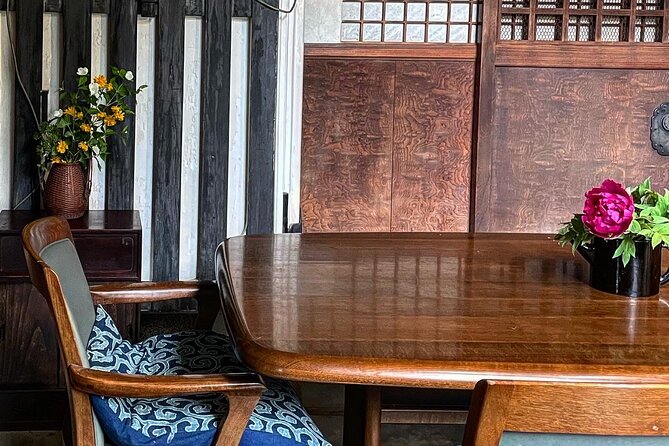
Yes, I think you should book this if you’re open to a slower kind of travel moment. The combination of a preserved machiya setting, seasonal sweets, and Bob-san’s hands-on teaching of green tea and macha is exactly the kind of experience that sticks.
If you’re a “maximum sightseeing” person, you might feel the 2-hour format is too short. But if you’d rather take one meaningful cultural step than collect ten checkmarks, this private tea ceremony is a very solid choice. Plan ahead, give it a calm spot in your schedule, and you’ll likely come away with both flavors and a clearer sense of how this old townhouse still tells its story.
FAQ
Where is the meeting point for the tea ceremony?
The experience starts at 2-chōme-147 Morishitamachi, Takayama, Gifu 506-0823, Japan, and ends back at the meeting point.
How long does the traditional Japanese tea ceremony take?
The duration is about 2 hours.
Is this a private experience?
Yes. It’s listed as a private tour/activity, and only your group will participate.
What will I enjoy during the tea ceremony?
You’ll enjoy Japanese tea and seasonal fruits and sweets. The host also teaches you how to make green tea and macha.
What does the booking timeline look like?
It’s reported that the experience is booked on average 99 days in advance.
Can I cancel for a full refund?
Yes. Free cancellation is available up to 24 hours before the start time for a full refund. If you cancel less than 24 hours before, the amount paid is not refunded.