REVIEW · GISENYI
Tea and coffee tours
Book on Viator →Operated by Beyond the Gorillas Experience · Bookable on Viator
Coffee smells different after the Lake views. In Gisenyi, this tea and coffee tour pairs a morning on Lake Kivu with a hands-on look at how Rwanda processes the crops you sip every day.
I especially like two things: first, the guided farm-and-processing walk that turns a drink into a real farm workflow, from field inputs through what happens after harvest. Second, the included lunch keeps the experience from feeling like a rushed snack stop.
One heads-up: the tour is weather-dependent, and the whole experience is about 3 hours, so it is not the kind of slow, all-day deep dive some people want.
In This Review
- Key things I’d plan around before you go
- Lake Kivu starts the story: what the morning feels like
- From the water to the coffee station in Kinunu
- Coffee walkthrough: what questions to ask on-site
- Tea tour version: harvesting to packaging, explained clearly
- Lunch and bottled water: small inclusion, real payoff
- Price and value: what $80.70 is really paying for
- Timing, weather, and the one real risk
- Who should book this tea and coffee tour
- Should you book? My straightforward take
- FAQ
- FAQ
- Where does the tea and coffee tour start?
- What time does the tour begin, and how long is it?
- Is lunch included?
- Is pickup included?
- How large is the group?
- What if the weather is poor?
- Can I cancel for a full refund?
Key things I’d plan around before you go
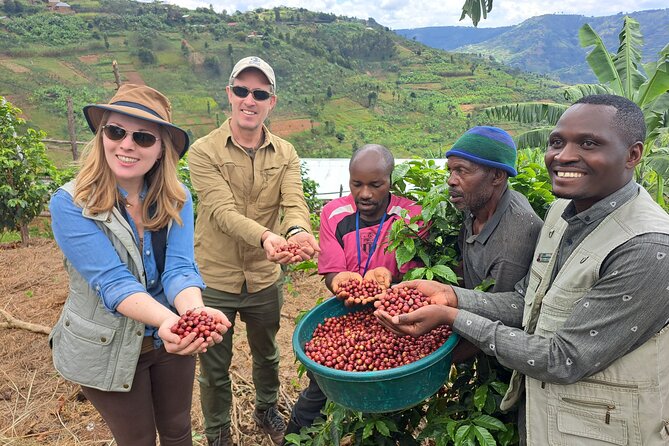
- A small group (max 8 people) means you get time to ask questions without waiting your turn
- Lake Kivu is part of the deal, not just a backdrop, so you’re spending real time on the water
- Coffee focus can include the Kinunu Coffee Washing Station, with a guided visit on-site
- Tea-side tours can include harvesting-to-packaging steps, explained by the guide as you walk through the process
- Lunch and bottled water are included, so you’re not budgeting food mid-tour
Lake Kivu starts the story: what the morning feels like
This is a morning-oriented outing that starts in Rubavu at 8:00 am and comes back to the same meeting point when it’s done. The timing matters. You get to enjoy the lake before the heat ramps up, and before the day gets busy.
Lake Kivu itself is a big character. It sits on the Rwanda–DRC border and is part of the Albertine Rift system. If you like geography, it’s a great reminder that this part of Rwanda isn’t only farms and hills—it’s also part of a larger tectonic story. Lake Kivu also drains into the Ruzizi River, which heads south toward Lake Tanganyika. Even if the tour is mainly about tea and coffee, that lake context helps the whole day make sense.
In practice, plan to come early and be ready to move. Pickup is offered, and the experience is built to run as a neat half-day loop rather than a flexible wandering plan.
From the water to the coffee station in Kinunu
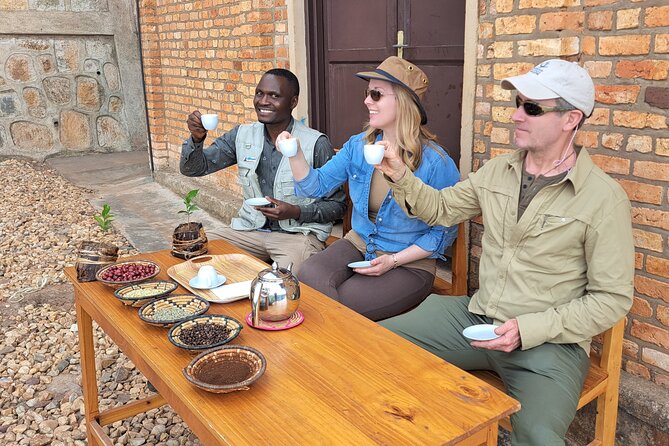
The coffee portion I’d circle in your mind is the visit to the Kinunu Coffee Washing Station. That name matters because a washing station is where harvested coffee cherries go through the early processing steps before they become green coffee ready for export markets.
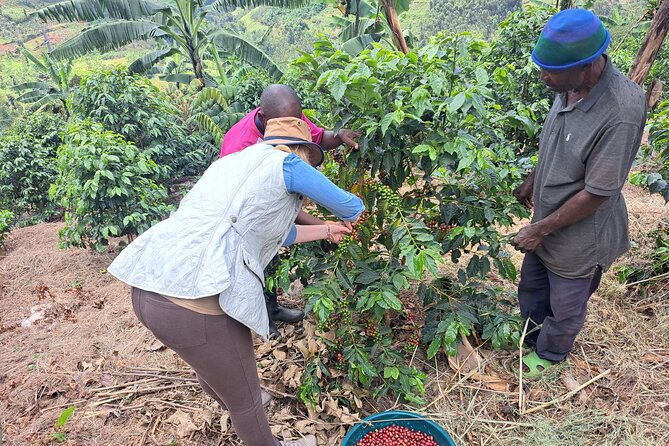
Here’s what you can expect from a guided visit like this: you’ll get a clearer picture of what happens between picking and what ends up in your cup. Instead of coffee being a single product, it turns into stages—what gets sorted, how batches are handled, and why processing choices influence flavor later on.
The best part is how the guide’s explanations connect everyday drinking with real farm work. One review praised the guided nature of the station visit, and I think that’s the key value here. You’re not just looking at equipment—you’re learning the logic behind it.
You also get a practical bonus: the trip to and from the station is tied to the lake route. One review described being picked up by boat in time at a lodge in Kigufi/Gisenyi and then taken to Kinunu. Even if your exact route differs, you should assume the lake crossing is part of the experience. If you get motion-sensitive, it’s worth noting, but for most people it’s part of the fun, not the downside.
Coffee walkthrough: what questions to ask on-site
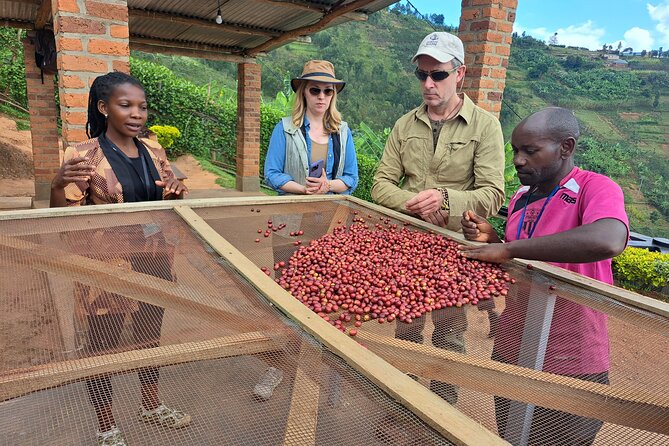
A coffee washing station can look technical if you’re not sure what you’re seeing. So I’d go in with a few questions in your pocket. Your guide should be able to explain things clearly, especially since the tour is designed as a learning experience.
Here are questions that usually land well, based on the kind of guided explanations this tour provides:
- What happens to the coffee immediately after harvest, before it becomes green coffee?
- How do they handle quality checks during processing?
- What parts of the process are done for consistency, and what parts are done for efficiency?
And here’s a small tip: take a moment to watch how the team groups tasks. Processing is never one single action—it’s a flow. When you see the flow, you start understanding why coffee tastes the way it does later.
Tea tour version: harvesting to packaging, explained clearly
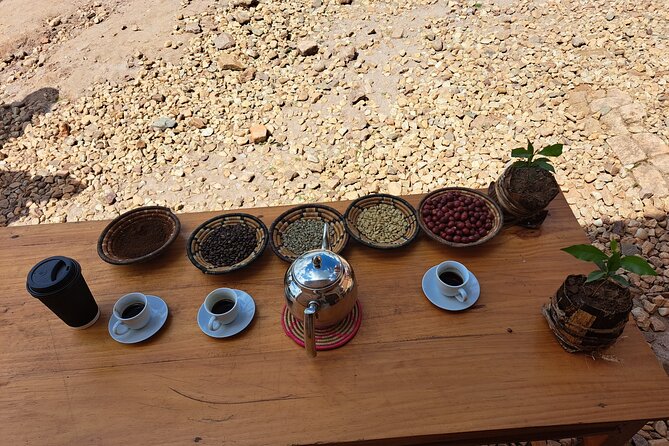
This experience is sold as tea and coffee tours, and at least one review was specifically about a tea tour. In that tea version, the guide’s explanation apparently follows the full chain—harvesting to packaging—and you also get a chance to meet local people involved in the work.
What I like about a teaching tour like this is that it helps you stop treating tea like it’s only a flavor. Tea is agriculture, labor, and handling. When a guide walks you through the steps from crop to packaged product, you leave with a mental map you can reuse later—when you buy tea, you’ll probably spot categories and quality cues more easily.
If you’re booking because you want tea-focused learning, don’t assume you’ll only see a garden and taste a cup. Ask your guide what steps you’ll cover during your session. Based on the tea review, you should expect more than a quick look.
Lunch and bottled water: small inclusion, real payoff
A lot of short tours forget that food is part of the experience. Here, lunch is included and bottled water is provided. For a 3-hour tour, that’s not a minor detail. It helps you keep your energy steady from the morning start through the processing visit and back.
Also, the lunch timing fits the half-day structure. You’re not left hunting for food afterward or trying to squeeze a meal into the next stop. If your Rwanda day includes Lake Kivu views, markets, or another activity later, you’ll appreciate not having to plan around hunger.
The other practical comfort point is the maximum of 8 travelers. That small size changes the vibe. You’re more likely to get answers, and less likely to be stuck listening to explanations while someone else interrupts constantly. It’s the difference between a lecture and a conversation.
Price and value: what $80.70 is really paying for
At $80.70 per person for about 3 hours, this is not a “grab-and-go” add-on. It’s priced like an organized, guided farm visit with logistics built in.
What you’re getting for that price:
- A guided visit tied to processing (coffee station for the coffee side; harvesting-to-packaging for the tea side)
- Lunch and bottled water
- Pickup is offered
- A small group size (up to 8)
What you’re not getting:
- Private transportation (so you’re relying on the tour’s included pickup/transfer rather than paying for your own door-to-door vehicle)
So is it good value? For me, it’s a yes if you want more than a photo stop. The best farm tours are the ones where you come away understanding how the product is made, and where the guide can answer questions without rushing you out the gate. That’s the value signal in the reviews and in how the experience is structured.
If you already have your own transport, you might think, why not DIY a farm visit? You can try—but coffee and tea processing can be confusing without context. The guide is the difference between seeing “equipment and people” and learning “a system.”
Timing, weather, and the one real risk
This tour requires good weather. That matters in places like Gisenyi where lake conditions and visibility can change. If weather is poor, the experience can be canceled and you’re offered a different date or a full refund.
I’d treat that as part of planning, not a surprise. If you have a super tight itinerary with no slack days, consider booking this earlier in your Rwanda schedule so you can adjust if the forecast looks rough.
As for the flow: you start at 8:00 am, you spend time on the lake portion, and you return to Rubavu at the end. The whole thing is built to fit a morning window, not a full day.
Who should book this tea and coffee tour
This is a smart fit if:
- You want a hands-on food and drink story tied to real processing work
- You like guided explanations that connect farm labor to the final product
- You want a half-day activity that doesn’t steal your whole day from other Rwanda plans
- You prefer small groups where questions are welcome
It might not be your best match if:
- You want an all-day experience with many different stops and long walks
- You hate weather-dependent plans and need certainty above all else
- You’re looking for only scenic lake time and not the farm learning side
Should you book? My straightforward take
I’d book this if you’re in the Gisenyi/Rubavu area and you want your Rwanda time to include something practical and local—how coffee (and possibly tea) moves from harvest work to what ends up in your cup. The combination of Lake Kivu context, a guided station/process visit, and lunch included makes it feel like more than a quick tour.
If you’re choosing between many short activities, this one has a clear advantage: it’s built around understanding. Even when it’s just 3 hours, the structure is focused, and the guide-driven walkthrough is the highlight.
FAQ
FAQ
Where does the tea and coffee tour start?
The tour starts in Rubavu, Rwanda, and it ends back at the meeting point.
What time does the tour begin, and how long is it?
It starts at 8:00 am and runs for about 3 hours.
Is lunch included?
Yes. Lunch is included, and bottled water is also provided.
Is pickup included?
Pickup is offered. Private transportation is not included.
How large is the group?
The tour has a maximum of 8 travelers.
What if the weather is poor?
This tour requires good weather. If it’s canceled due to poor weather, you’ll be offered a different date or a full refund.
Can I cancel for a full refund?
Yes. You can cancel up to 24 hours in advance for a full refund. If you cancel less than 24 hours before the start time, it isn’t refunded.