REVIEW · SOUTH KOREA
Korean Green Tea Tour – from Boseong to Gangjin (Private)
Book on Viator →Operated by Tasty Trails Korea · Bookable on Viator
Green tea fields teach Korea’s quiet side. I love how the day samples three distinct styles of Korean green tea—leaf tea, powdered tea, and rice cake tea—and the Boseong tea ceremony makes the tasting feel practical, not just scenic. You’ll also get matcha affogato and a museum stop that explains how green tea is made and categorized.
The only downside is the schedule: you’re on the move for much of the day, and lunch isn’t included—you choose from a town restaurant menu and pay there.
In This Review
- Key highlights worth planning around
- A private green-tea route from Boseong to Gangjin
- Price and timing: 9–10 hours with real travel time
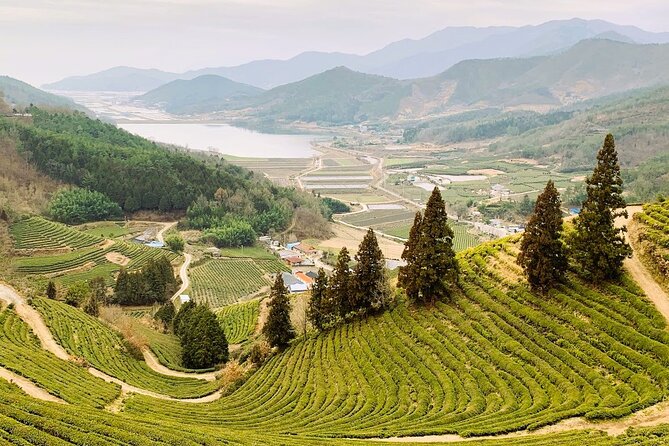
- Boseong tea fields: organic leaves and a tea ceremony
- Boseong-eup lunch break plus Korea Tea Museum context
- Nokcha-ro viewpoint: where you see the hills you’ll taste
- Gangjin: Dawon tea fields, Osulloc connection, and rice cake tradition
- Baegundong Hermitage Garden and Seongjeon-myeon’s first tea brand legacy
- Should you book this private tea tour from Boseong to Gangjin?
- FAQ
- How long is the Boseong to Gangjin private green tea tour?
- Where does the tour start, and what time does it begin?
- Is lunch included in the tour price?
- What tea experiences and tastings are included?
- Is this tour private?
- What’s the cancellation rule if plans change?
Key highlights worth planning around
- Three green-tea styles in one route: leaf tea, powdered tea, and rice cake tea, tied to Boseong and Gangjin.
- Tea ceremony in Boseong: not just watching, but doing and tasting in a set setting.
- Korea Tea Museum stop: plant characteristics, history, and the six types of tea you can produce.
- Nokcha-ro tea viewpoint: a quick pause at one of the best scenic lookouts in the area.
- Gangjin’s tea story and gardens: Baegundong Hermitage Garden plus the first-brand legacy at Seongjeon-myeon.
- Private, guided transportation: only your group, with pickup offered and a mobile ticket.
A private green-tea route from Boseong to Gangjin
This is the kind of day trip that feels bigger than its price tag, because it’s not just “visit tea farms.” You travel between Boseong, the best-known tea-growing region with rolling green hills, and Gangjin, which many foreign visitors skip because it’s less obvious on the map—but has tea culture stretching back more than 1,000 years.
What makes this tour work well is the mix of hands-on tasting and real context. You don’t only see fields; you learn what makes each tea style different, then you taste it. If you care about tea as a food, not a postcard, you’ll like this.
And since it’s private, you can keep your pace. You’re not trying to match someone else’s walking speed through narrow farm paths. Your guide can also focus on what you ask—especially if you want help translating what you’re drinking into something you can spot later.
You can also read our reviews of more tours and experiences in South Korea.
Price and timing: 9–10 hours with real travel time
At $195 per person for a private tour, it’s not a budget sampler. But the value is in the structure: private transportation is included, admission fees are covered for key stops, and the tour includes several tastings (not just a single drink). For one traveler or a small group, paying for a driver and a guide can be more efficient than trying to piece it together with local buses and tickets.
Timing matters here. The tour runs about 9–10 hours, with travel time of roughly:
- 70 minutes from Gwangju to Boseong
- 50 minutes from Boseong to Gangjin
- 70 minutes back to Gwangju
You’ll do a lot in one day. That’s great if you want maximum tea, but it’s also why you should mentally prepare for a full day rather than an easy stroll.
One more scheduling note: the experience requires good weather. If conditions are poor, you’ll either get a different date or a full refund, so don’t plan anything tight right after your tour.
Boseong tea fields: organic leaves and a tea ceremony
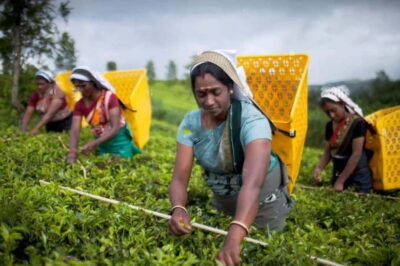
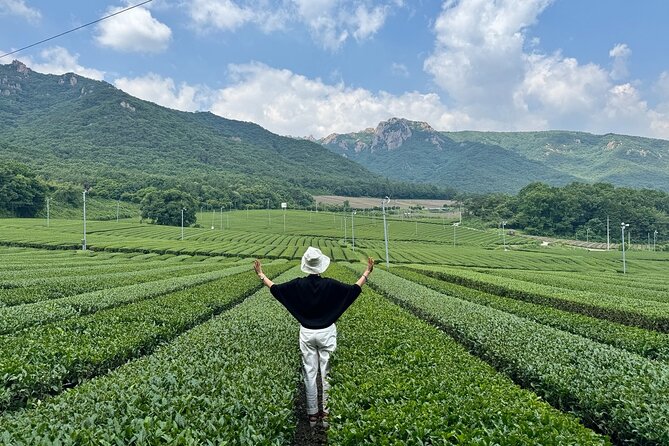
Stop 1 is Boseong Green Tea Field Daehan Dawon (about 1 hour 30 minutes). Boseong is blessed with the climate and soil tea plants like, and this stop is built around quality: the tea is grown organically, which means you’re seeing a production style that aims for careful cultivation rather than just quantity.
What I like about starting here is that it sets the language for the rest of the day. You get a sense of what “green tea” means in practice—fields, farming, and how the tea leaves come to life before they ever hit your cup.
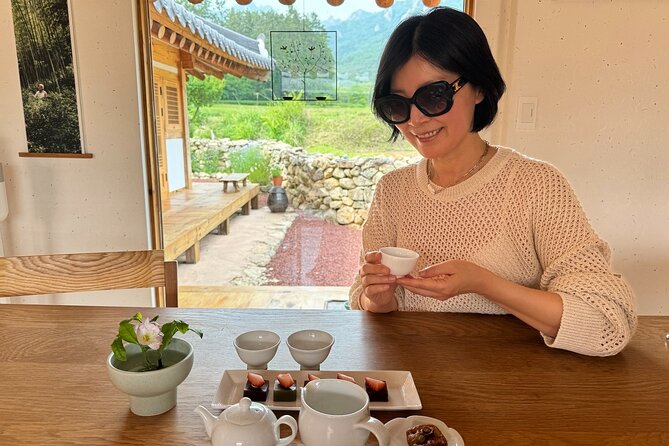
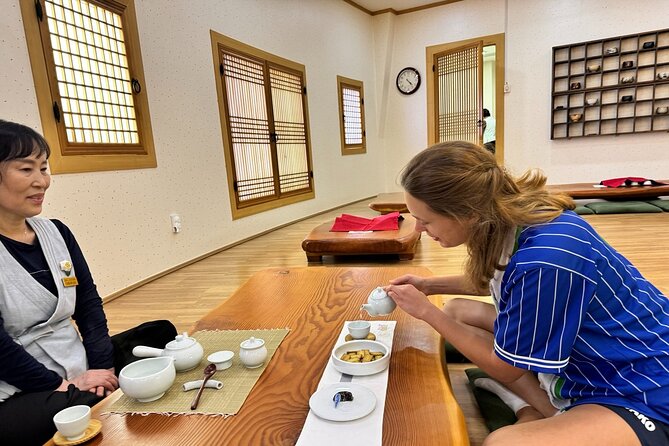
Then you shift from landscape viewing to tea education. The tour includes a Korean tea ceremony experience in Boseong. This is the part where the day stops being purely scenic. A ceremony helps you understand that brewing, serving, and tasting are part of tea culture—not an add-on.
You’ll also see how modern tastes meet traditional tea. One included treat is matcha affogato, described as powdered green tea with green tea ice cream. It’s a fun bridge if you like dessert, and it’s also a quick way to taste powdered tea’s flavor profile compared with leaf tea.
Practical tip: wear comfortable shoes. You’ll be outside at tea fields and viewpoints, and farm paths don’t always feel like city sidewalks.
Boseong-eup lunch break plus Korea Tea Museum context
After the tea fields, you get a true pause in Boseong-eup (about 1 hour). Lunch isn’t included, but you do get help. The tour provides popular local dishes for you to choose from, and you pay directly at the restaurant. One example dish listed is stir-fried nakji (Korean octopus), and there are other options on the menu lineup as well.
This stop is useful even if you’re not hungry yet, because it gives you a break from tasting and looking. Also, it’s one of the ways this tour stays grounded: you’re not trapped in a “tea-only bubble.” You get town life for an hour.
Then comes Korea Tea Museum (about 1 hour, admission included). This is where the tour turns into a mini-class. The museum explains:
- characteristics of the tea plant
- the history of Korean tea
- and the six types of tea that can be produced from it
If you’ve ever wondered why teas with similar names taste different, this museum stop is the place to clear that up. It helps you connect what you’re tasting later—leaf, powdered, and rice cake tea—to the bigger picture of how Korean tea is categorized.
If you like learning even a little during your vacations, this stop adds real value. If you hate museums, you can still treat it like a tea briefing rather than a long exhibit marathon.
Nokcha-ro viewpoint: where you see the hills you’ll taste
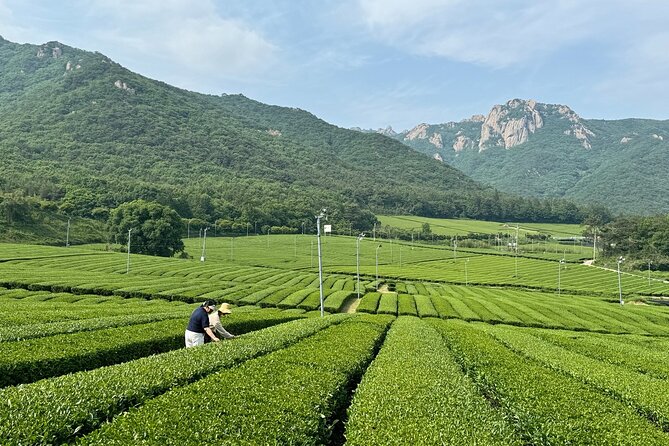
Stop 4 is Nokcha-ro, including a tea farm viewpoint where Choroknip tea farm is known for having a particularly beautiful outlook. This part is short (about 40 minutes), and that’s a good thing.
You’ll stand at a terrace-style tea house viewpoint and look over the rolling tea hills below. This is the moment to slow down and let the day’s earlier tea education “settle” in your brain. When you’ve just learned about tea plant basics and museum categories, the view makes it feel real.
A good drawback here: since it’s a viewpoint stop and the time is limited, don’t expect a deep hands-on farm experience. It’s about seeing, taking photos if you want, and resetting your focus before you head to Gangjin.
Gangjin: Dawon tea fields, Osulloc connection, and rice cake tradition
Then you cross into Gangjin, where the tour leans into tea culture that many visitors don’t get to see.
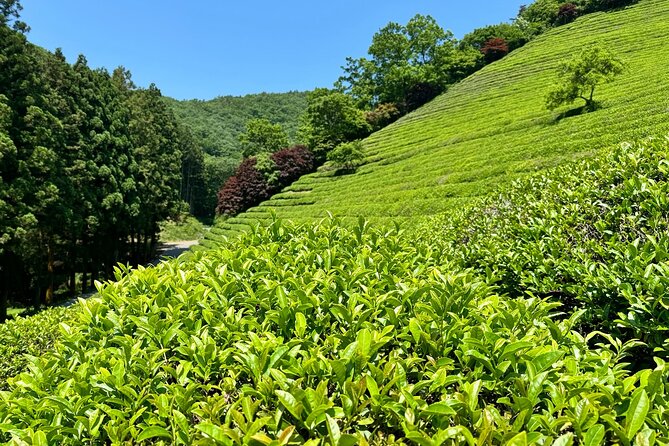
Stop 5 is Gangjin Dawon (about 30 minutes). The tour describes the tea field at the foot of Mt. Wolchulsan, with cultivation for green tea production since 1980 by Osulloc—a major Korean tea producer. At the same time, it’s framed as part of a much older tea tradition in the region, one that stretches back long before the modern producer connection.
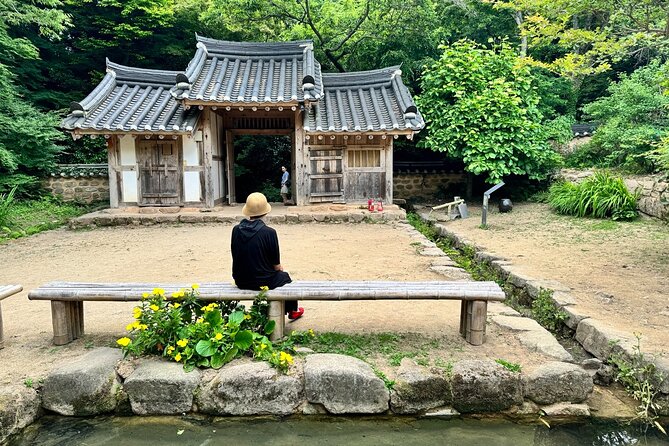
Stop 6 is Baegundong Hermitage Garden (about 40 minutes). This garden was built in the late 17th century during the Joseon Dynasty. It’s described as one of Korea’s most beautiful private gardens, chosen with great care to harmonize with nature. For tea lovers, it’s a nice contrast: you go from fields and production into a quieter space where tea culture can feel less like an industry and more like a way of life.
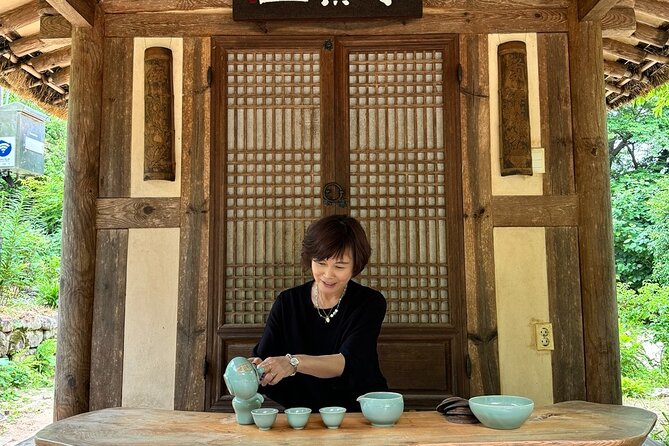
And here’s the tastings angle that makes Gangjin the highlight. The tour includes historical rice cake tea in Gangjin, tied to a tradition described as about 200 years. That’s the kind of detail you can’t really get by yourself from a quick café stop. You’re tasting a specific tea style connected to local ritual, not just buying whatever looks good on a menu.
If you’re trying to remember the differences between tea types, Gangjin’s rice cake tea is a strong anchor. It’s distinctive, and it gives powdered/leaf tea comparisons more meaning because you can taste how Korean green tea traditions can show up in different forms.
Baegundong Hermitage Garden and Seongjeon-myeon’s first tea brand legacy
The final stop, Seongjeon-myeon (about 40 minutes, admission free), centers on Baegun Okpan Tea, described as Korea’s first tea brand created in the 1920s by Lee Han-young. The tour also connects Lee Han-young to tea family history through his link as a descendant of one of Jeong Yak-yong’s disciples.
This stop matters because it turns your tea knowledge into a story you can carry. Tea isn’t only a crop and a drink. It’s also a branding story, a family story, and a cultural story—especially when you connect it to a person and a time period.
So by the time you finish at Seongjeon-myeon, you’ve built a complete arc:
- tea farming in Boseong
- tea learning and plant categories in the museum
- viewpoints and production context
- and then Gangjin’s culture through gardens and brand legacy
Should you book this private tea tour from Boseong to Gangjin?
Book it if:
- you want a guide-led day that actually explains what you’re tasting
- you care about tea culture and want to taste leaf, powdered, and rice cake tea in one route
- you prefer a private setup with pickup offered and only your group in the car
Skip it if:
- you’re looking for a short, low-effort outing. This is a full 9–10 hour day.
- you only want to “see tea fields” and aren’t interested in ceremony or museum context.
If you do book, my best advice is simple: go in hungry for learning, not just snacks. This tour gives you multiple tasting moments and enough background to understand why each one tastes the way it does.
Also, book early if you can. The tour is commonly reserved about 65 days in advance, which is a sign that decent dates get taken.
FAQ
How long is the Boseong to Gangjin private green tea tour?
The experience lasts about 9 to 10 hours.
Where does the tour start, and what time does it begin?
It starts with pickup offered from the Gwangju Metropolitan City area, with a start time of 9:30 am.
Is lunch included in the tour price?
No. Lunch is not included. There’s a Boseong-eup lunch time stop where you choose dishes from a restaurant menu and pay there.
What tea experiences and tastings are included?
Included items are matcha affogato (powdered green tea with green tea ice cream), a Korean tea ceremony experience in Boseong, and historical rice cake tea in Gangjin.
Is this tour private?
Yes. It’s listed as a private tour/activity, meaning only your group participates.
What’s the cancellation rule if plans change?
You can cancel for a full refund up to 24 hours before the experience start time. If poor weather causes cancellation, you’ll be offered a different date or a full refund.