REVIEW · HAPUTALE
Haputale:Glorious Tuk Tuk Ride to Lipton’sSeat & Tea Factory
Book on GetYourGuide →Operated by Sri Lanka Trekking Club · Bookable on GetYourGuide
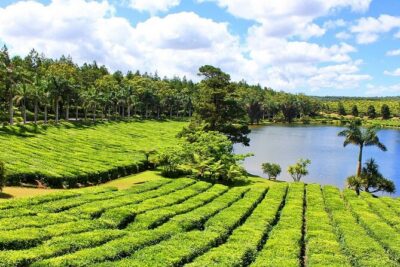
Tea views in a small tuk-tuk is a great plan. This trip mixes tea-country scenery with real hands-on time at a working plantation and factory. You’ll see Lipton’s Seat, meet tea pluckers, and learn how leaves turn into tea.
I love two parts most: the slow tuk-tuk ride through the tea fields, and the chance to connect with the people who actually work there. The Lipton’s Seat stop also gives you standout photo views without needing a long, exhausting climb.
One thing to plan for: there’s a walking/hiking component, plus you’ll be outdoors in changing weather. If you have back issues (or you just want a fully low-effort day), you may feel it.
In This Review
- Key Things to Know Before You Go
- Tuk-Tuk Through Tea Country: The Pace You’ll Actually Enjoy
- Lipton’s Seat and the Thomas Lipton Statue Bench Photos
- Meeting Tea Pluckers and Joining a Plantation Picnic
- Dambatenne Tea Factory: How Leaves Turn Into Tea
- Price and Value: What $35 Buys in Real Time
- What Your Day Feels Like: Timing, Walking, and Weather
- Who This Tour Suits Best (and Who Might Skip It)
- Should You Book It?
- FAQ
- How long is the tuk-tuk tea tour?
- Where does the pickup happen?
- What’s included in the tour price?
- Is there a tea tasting?
- What should I bring for the day?
- Is the tour accessible for everyone?
Key Things to Know Before You Go
- Tuk-tuk pace in the tea hills: small roads, big views, and a more relaxed rhythm than big-bus tours
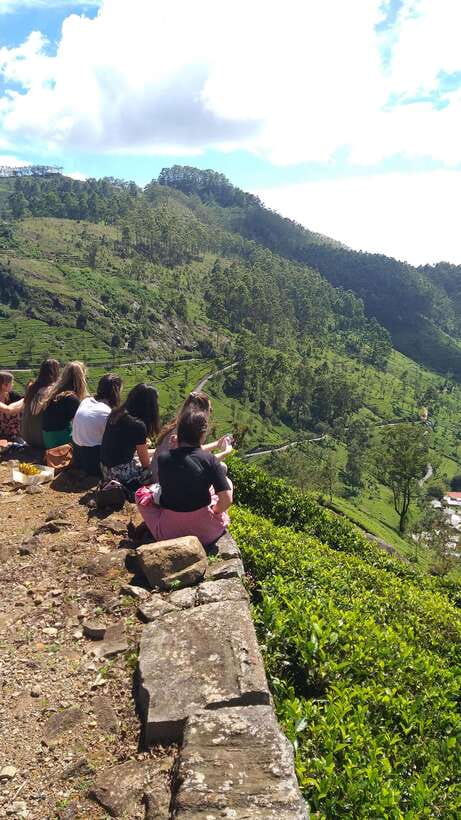
- Lipton’s Seat viewpoint + Thomas Lipton statue: photo stop plus a short walk to take it all in
- Tea plucking time: you’ll get a real look at how the work happens before you sip the results
- Tea plantation picnic: a meal in the fields with a distinctly local feel
- Dambatenne Tea Factory process: you’ll see the steps from leaf to finished tea
- Private group experience: the day stays flexible and focused around your group
Tuk-Tuk Through Tea Country: The Pace You’ll Actually Enjoy
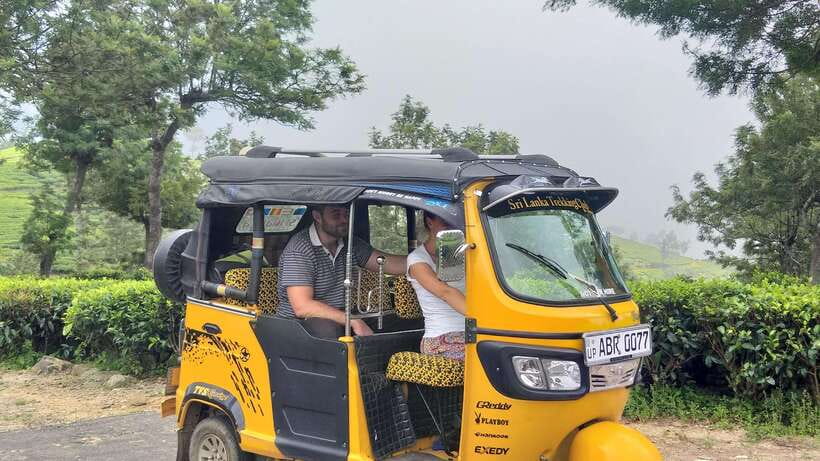
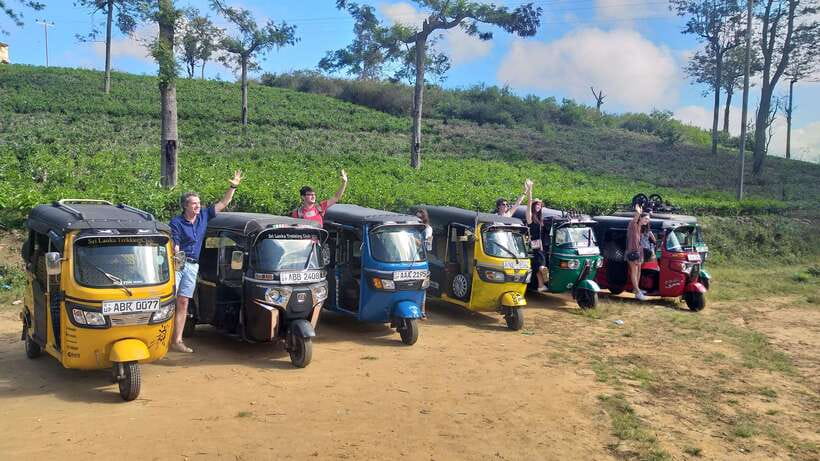
This tour is built around a tuk-tuk ride through Sri Lanka’s highland tea country, and that choice matters more than it seems. A car gets you there fast; a tuk-tuk helps you feel the place. You’re moving through tea slopes with frequent chances to look out over the hills, and you’re not stuck in a long line of people waiting to shuffle from one stop to the next.
The timing also works for photos and comfort. You start with time on the road and at Lipton’s Seat, then you transition into plantation time and end with the tea factory. In other words, you get views first, then you get the hands-on learning, which keeps the day from feeling like one long classroom lecture.
The ride is also a nice match for a private format. With a private group, you’re not fighting for the best angle or the last minute to take a walk. If your guide suggests a quick stop for a photo, you can take it without turning the whole itinerary into a negotiation.
What you should watch: you’ll need comfortable shoes and you should expect short walking/hiking segments. It’s not a wheelchair-friendly outing, and it isn’t designed for people who need very limited bending or lifting.
You can also read our reviews of more tours and experiences in Haputale.
Lipton’s Seat and the Thomas Lipton Statue Bench Photos
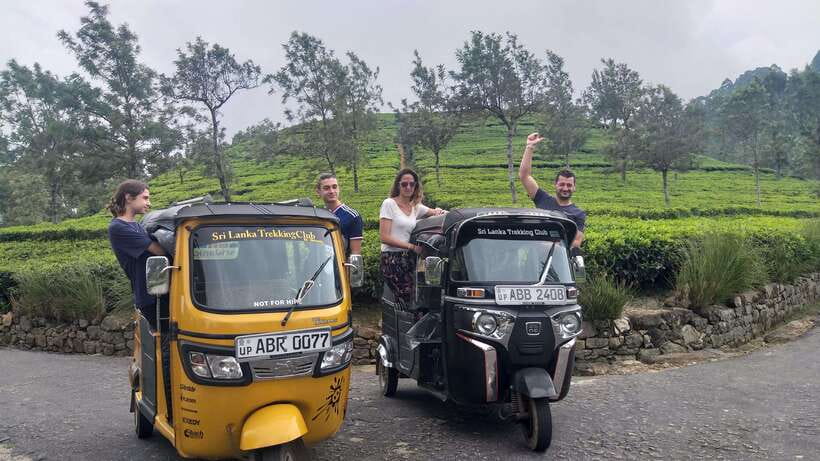
Lipton’s Seat is named for Thomas Lipton, a Scottish businessman who moved to British Ceylon in 1890. The viewpoint is famous for panoramic views, but the small detail that makes this stop memorable is the statue setup: there’s a life-sized Lipton statue and you can sit on a bench right by it.
This matters because it turns a viewpoint into a scene. You’re not just looking at scenery; you’re doing a proper photo moment with the man who helped shape tea’s global story. It also gives you a simple timeline anchor as you travel deeper into the tea world.
You’ll get a photo stop plus some sightseeing and a walk/hike element. That short stretch is usually where the views start to feel real. If you like taking your time, this is a good stop to slow down, catch the light, and watch how the tea hills fade into layers.
One practical note: wear a hat and sunscreen. These viewpoints can get sunny even when the air feels cool. Bring water because you’ll be outside for chunks of the day, and tea country tends to drink your water faster than you expect.
Meeting Tea Pluckers and Joining a Plantation Picnic
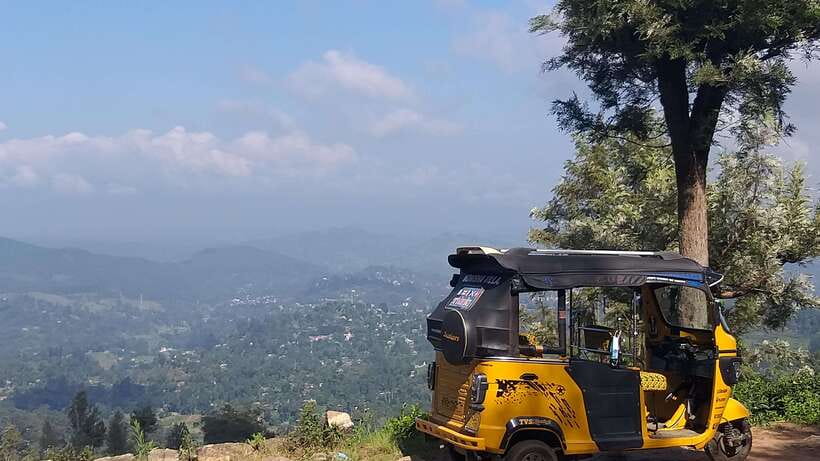
This is the part that tends to turn a scenic day into a meaningful one. You’ll ride through the plantations and you’ll have a chance to be around tea pluckers, including plucking tea yourself. You’re not just watching from a distance. You’ll see how the work is done at ground level, and you’ll learn what “plucking” actually means with real hands-on practice.
The day also includes a picnic in the tea plantation. That’s more than lunch-on-the-road energy. The tour is designed so you meet people who work in the fields and experience the area in a way that feels local rather than like a staged stop for photos.
If you’re thinking about what to eat, keep expectations simple: the tour includes the picnic, but meals and drinks beyond that aren’t listed as part of the package. Still, this is the kind of meal that makes sense after time outdoors—simple, seated in the fields, and tied to the work you just saw.
A small comfort tip: plan your outfit for the plantation routine. Loose layers help if weather shifts. Also, keep your camera handy for tea-plucking moments, but remember you’ll be using both hands during plucking, so don’t let your phone become a stress point.
Dambatenne Tea Factory: How Leaves Turn Into Tea
Your last big stop is the Dambatenne Tea Factory. The story here is strong: the factory was built in 1890 by Sir Thomas Lipton, another direct tie between the Lipton name and Sri Lanka’s tea boom.
What you’ll get is a guided look at the production process, with the main steps explained clearly:
- Fermentation
- Rolling
- Drying
- Cutting
- Sieving
- Grading
That sequence matters because it’s where tea stops being a plant and becomes a crafted product. You’ll learn how processing affects flavor and quality, and you’ll see why tea isn’t a one-step product. The factory format also helps you understand how a plantation day connects to the manufacturing side.
A smart detail from real-world visits: the factory experience can change if harvest time is active. If production is paused because workers are out picking, the team may still show parts of the process so you don’t miss the learning. In other words, you might not see everything at full speed, but you can still get the story and the key steps explained.
You’ll finish with a cup of local tea after the tour. That’s the best way to anchor everything you just saw—taste first-hand what those steps are aiming for.
Price and Value: What $35 Buys in Real Time
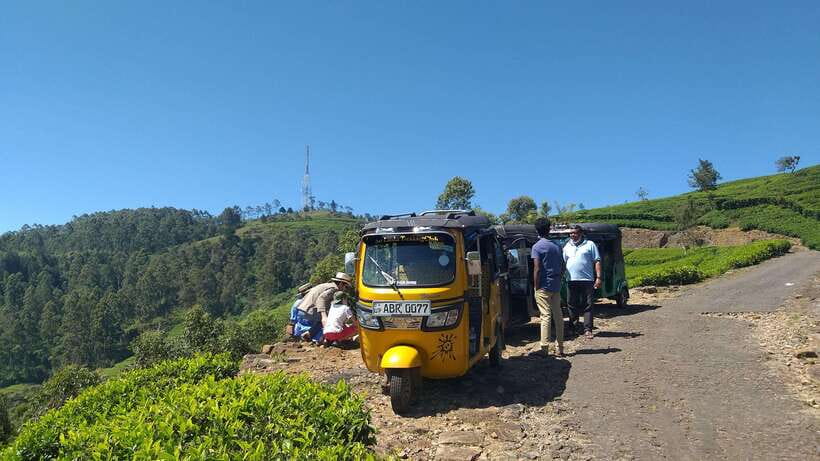
At about $35 per person for a roughly 5-hour day, this tour isn’t trying to be the cheapest option in tea country. It’s priced for a private tuk-tuk experience, a guided visit, and included experiences that go beyond a quick photo-and-quit.
Here’s what you’re really paying for:
- Transport by tuk-tuk through the tea region
- Time at Lipton’s Seat and the Thomas Lipton statue viewpoint
- Tea plucking experience with plantation workers
- A picnic in the fields
- The Dambatenne Tea Factory guided tour
- Tea tasting
If you compare that to the cost of hiring a driver plus paying factory entry plus finding a picnic spot on your own, the bundle starts to look fair. Also, you’re not just consuming the sights. You’re getting context: tea’s local story, how work happens, and how production turns leaves into something you can taste.
One more value point: the tour is run as a private group with an English live guide (from Sri Lanka Trekking Club). That means you can ask questions when the tour hits a topic you care about, like tea processing steps or the Lipton history.
What Your Day Feels Like: Timing, Walking, and Weather
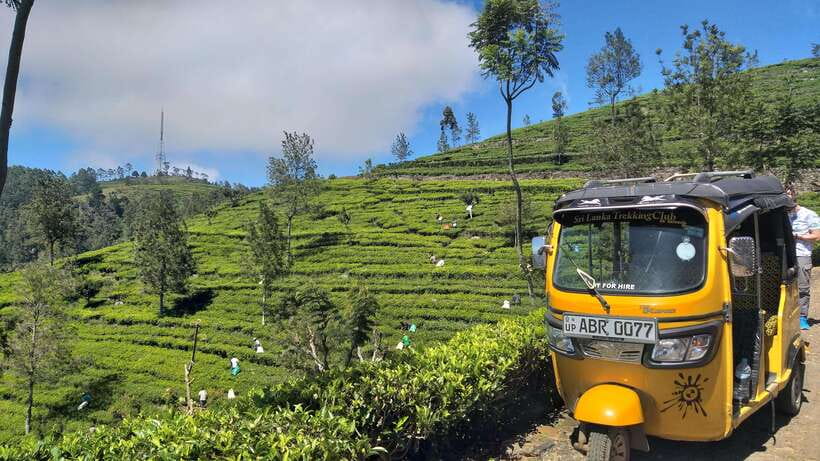
Plan to be outside for most of the day. You’ll start with pickup options in the Bandarawela or Haputale area, then head toward Lipton’s Seat and work your way through plantation time to the factory.
Expect a mix of:
- scenic drive time
- a viewpoint photo stop with walking/hiking
- time in the plantation for plucking and picnic
- a guided factory visit with explanations and tasting
Bring water, a hat, sunscreen, and a camera. Comfortable shoes are important because the walk/hike pieces aren’t described as long treks, but they’re still real enough to require grip and support.
Weather in the highlands can change quickly. The tour notes varying weather conditions, so dress in layers. If it cools down, a light jacket can make the afternoon feel far more comfortable.
If you want a stress-free day, also think about how much you’ll enjoy carrying small personal items. The activity includes outdoor stops and tea work, so keep your daypack simple.
Who This Tour Suits Best (and Who Might Skip It)
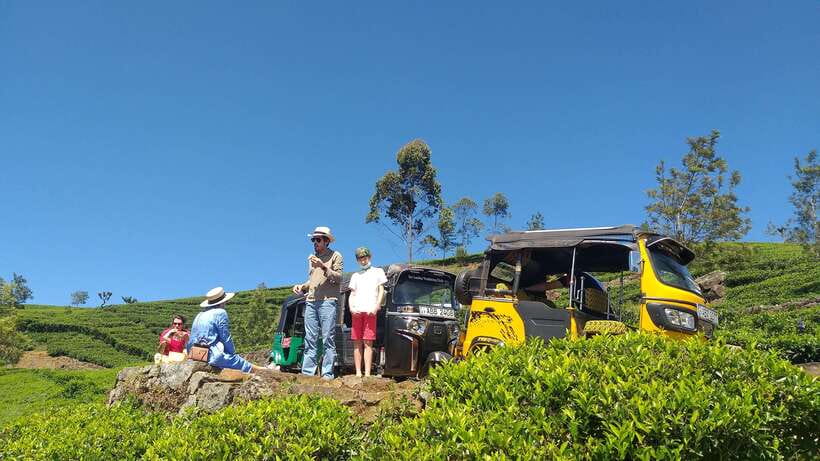
This is a strong fit if you want:
- tea views plus real tea experiences
- hands-on time with tea plucking
- a guided factory visit with a clear process explanation
- a private, focused day rather than a crowded group shuffle
It’s less of a fit if you:
- have back problems or mobility limits
- want minimal walking (there is walking/hiking)
- use a wheelchair or need accessibility accommodations (not suitable)
Pregnancy is listed as not suitable, so it’s best to skip this one if that applies.
Families can work well because the tour is structured with short segments and guided stops. One detail worth noting: the tuk-tuk ride can include little moments of interaction, like letting kids take part in safe, guided driving time during the ride. That kind of small attention can make the day feel warmer than a standard sightseeing schedule.
Should You Book It?
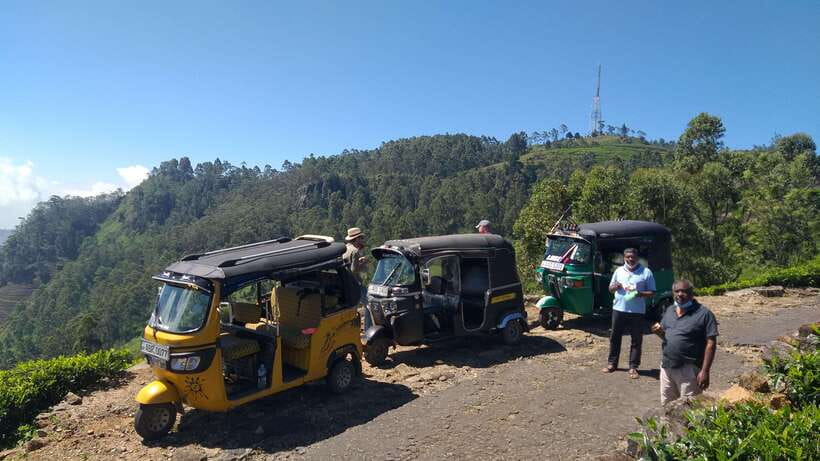
If you’re going to Sri Lanka’s tea highlands and you want more than a photo stop, I think this is a smart booking. You get the best combo: scenery, people, and process. The tuk-tuk ride sets the mood, Lipton’s Seat gives you a historic viewpoint moment, and the Dambatenne Tea Factory connects the plant to what ends up in your cup.
Book it if you’re comfortable with short walking/hiking and you’ll pack for sun and changing weather. Skip it if you need a fully flat, low-movement outing or if mobility issues make walking difficult.
Finally, if you care about seeing the factory process even during harvest season, you’ll be glad this tour is designed with guided explanations and the tea experience included—just be flexible if timing affects what’s running at full pace.
FAQ
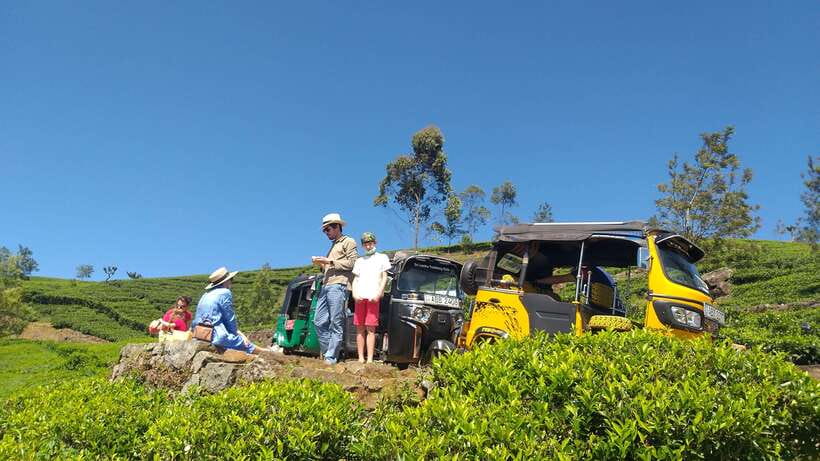
How long is the tuk-tuk tea tour?
The experience runs about 5 hours, with tours timed based on availability.
Where does the pickup happen?
Pickup is available from the Bandarawela or Haputale area. You’ll share your exact pickup location and preferred time in advance so the tuk-tuk can be arranged.
What’s included in the tour price?
The tour includes the tuk-tuk ride through tea plantations, visits to Lipton’s Seat and the Dambatenne Tea Factory, the opportunity to pluck tea with local tea pluckers, a picnic in the tea plantation, and a tea tasting session.
Is there a tea tasting?
Yes. After the factory visit, you’ll enjoy a cup of local tea.
What should I bring for the day?
Bring comfortable shoes, a hat, camera, sunscreen, and water. You should also wear clothing suitable for walking and outdoor conditions.
Is the tour accessible for everyone?
No. The tour is not suitable for pregnant women, people with back problems, or wheelchair users. Smoking is also not allowed during the experience.