REVIEW · LONDON
Buckingham Palace, St James Palace & Tea at Kensington Palace
Book on Viator →Operated by Top Tasting Tours · Bookable on Viator
Three palaces, one easy London stroll.
This walk strings together the Buckingham Palace area, St James’s royal neighborhood, and the grand finale at Kensington Palace with high tea—without the usual full-day chaos. I like that you get a smart, guided route with off-the-crowd side streets, and I also like the included afternoon tea where the guide ties it to the story of tea in England. One thing to consider: it is a walking tour with lots of short stops, and palace entry depends on what you select for the State Rooms.
I especially love the size and pace. The group is capped at 10 (often 4–6), so you can ask questions and keep up without feeling rushed into the latest selfie spot. The best part for me, though, is the food payoff: a private table at the Kensington Palace Orangery with sandwiches, scones, and cake that actually tastes like a proper British afternoon.
The only real drawback is that most of what you see is exterior views and street-level history. If you want interior palace time, you must choose the optional State Rooms entrance at checkout.
In This Review
- Key highlights
- Starting in Green Park: the route that steers away from crowds
- St James’s: aristocratic streets, not just postcard views
- Spencer House to The Mall: 18th-century elegance along the edges
- Clarence House and St James’s Palace: why this corner matters
- Buckingham Palace area: the Tyburn river and the palace’s older roots
- Wellington Arch and Apsley House: empire-era monuments with attitude
- Bomber Command Memorial and Royal Albert Hall: a pause that adds meaning
- Kensington Palace finale: the Orangery high tea payoff
- What you eat at high tea (and what it means)
- Guide impact: the small-group difference (Simon, David, Tom)
- Walking style and time reality: what 2 hours feels like
- Getting value for $173.45: what you’re really paying for
- So, should you book this royal walk and Kensington Palace tea?
- FAQ
- How long is the tour?
- How big is the group?
- What’s included with the tour?
- Are palace interiors included?
- What dietary options are available for tea?
- Can I cancel for a full refund?
Key highlights
- Small group of up to 10 (often 4–6) for a calmer royal sightseeing rhythm
- High tea at Kensington Palace Orangery with a private table
- Tea-history talk included, not just food delivered
- Quiet side-street route that avoids the loudest tourist flow
- See multiple royal landmarks fast, ideal for a short London stay
Starting in Green Park: the route that steers away from crowds
I like tours that help you arrive already oriented. This one starts at Green Park, near Piccadilly, a great choice because it’s central but not as tightly packed as the densest parts of Westminster. Green Park (formerly Upper St James Park) sets the tone right away: you head away from the busiest streets to find quieter passages and more discreet viewpoints along the edge of royal land.
You’ll get quick “how to look at this” coaching from the guide. Instead of just naming buildings, the walk teaches you what to notice—street angles, sight lines, and why certain places matter to the royal story. It makes the whole day feel less like hunting for landmarks and more like learning where London’s power has been concentrated for centuries.
Practical take: wear comfy shoes. The day is not one long slog, but it’s still a walk with frequent movement between short stops.
You can also read our reviews of more tours and experiences in London.
St James’s: aristocratic streets, not just postcard views
Next you move into St James’s, the old aristocratic quarter where landed families and political figures mixed with the everyday life of clubs and taverns. The guide’s focus here is the human side of the neighborhood—how chocolate houses and taverns in the 1600s evolved into prestigious meeting places. It turns the area from royal backdrop into something that feels lived-in and social.
A standout for me is the emphasis on back streets—little-used lanes you wouldn’t naturally notice if you were self-guiding. These are the moments that make a walking tour worth your time: you get the sense of how people actually moved around, not just the big frontage people photograph.
If you like details, this stretch is where the tour does its best work. You’ll hear the kinds of stories you would miss if you only look at the most famous facades.
Spencer House to The Mall: 18th-century elegance along the edges
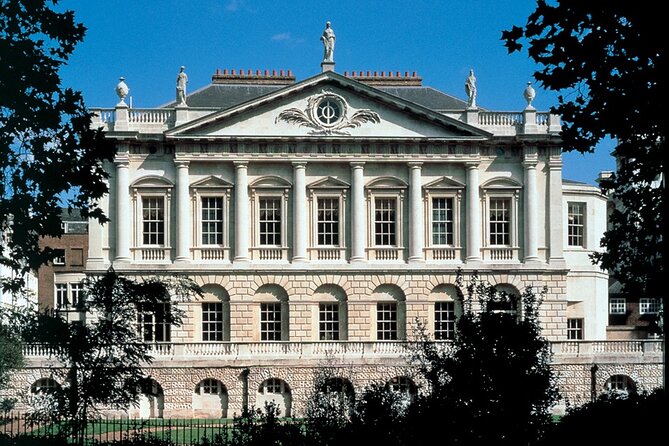
Spencer House is a sharp little moment. It sits at the end of a small street, and it was built between 1756 and 1766 for John, first Earl Spencer—an ancestor of Diana, Princess of Wales. The important point for you isn’t just the name; it’s that it’s considered London’s finest surviving eighteenth-century town house. That kind of survival matters. It’s not a replica. It’s a real building from a period when London’s elite style was becoming its modern form.
Then you angle toward The Mall and the official royal palace area—St James Palace. Here’s the honest expectation: St James Palace is not regularly open to general visitors in the same way some other sights are. The tour doesn’t promise interior palace time here. Instead, you learn what you can and can’t access, including the fact that the public can attend Sunday services at the Chapel Royal and the Queen’s Chapel.
That’s valuable for planning your own schedule in London. If your travel dates include Sunday, knowing the Chapel Royal option helps you build a day that matches how the palace life actually works.
Clarence House and St James’s Palace: why this corner matters
From The Mall, you’ll stop at Clarence House. It was built between 1825 and 1827, designed by John Nash. The story to remember: it was commissioned by the Duke of Clarence, who became King William IV in 1830. He preferred living there to the adjacent St James’s Palace, partly because the older palace was considered too cramped.
Then you return to St James’s Palace itself, reinforcing the idea that this is the center of long-running royal presence. The guide’s explanations help you connect the dots: this isn’t just one palace—it’s a whole cluster of royal institutions, residences, and traditions packed into a small area.
What I’d tell a friend: these stops are quick, but they’re not random. If you pay attention to the guide’s framing, you start seeing how the royal family’s living preferences shaped the city’s layout.
Buckingham Palace area: the Tyburn river and the palace’s older roots
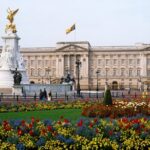
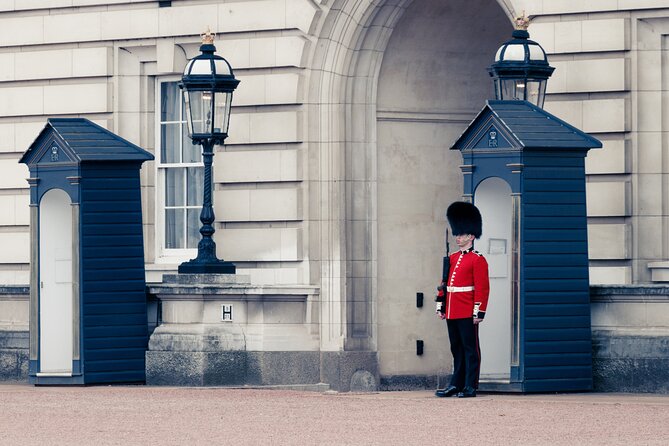
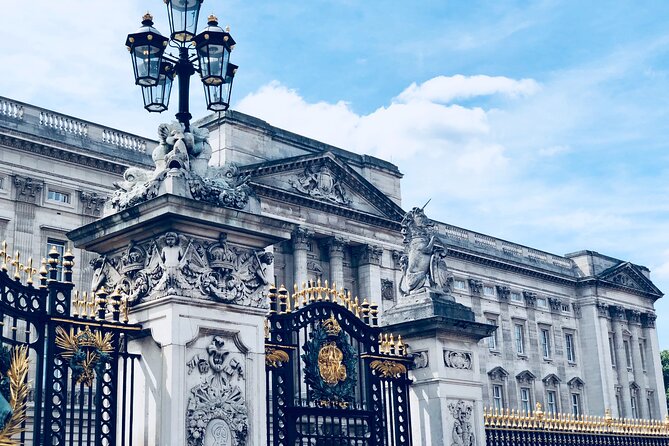
When you reach Buckingham Palace, you get more than a famous view. The guide connects the palace site to older London geography. In the Middle Ages, the land was part of the Manor of Ebury (also called Eia), and it was watered by the river Tyburn—a detail that still flows below the courtyard and south wing of the palace.
Ownership changed hands many times over the centuries. You’ll hear references to Edward the Confessor and his queen consort Edith of Wessex, then post-Norman Conquest shifts, and even links to Westminster Abbey’s monks. Whether you’re a history buff or not, this kind of context makes Buckingham Palace feel less like a modern symbol and more like the latest chapter of an older landscape.
You also get a real sense of how the palace sits in the city: not isolated, not floating, but integrated into London’s street grid and power centers.

Wellington Arch and Apsley House: empire-era monuments with attitude
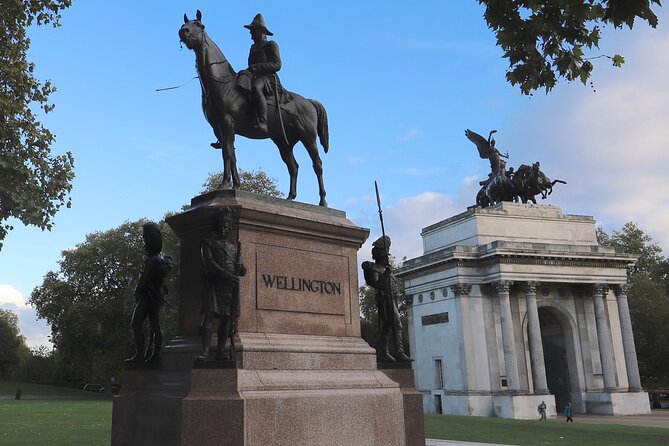
Walking onward, you’ll cross toward Wellington Arch, designed by Decimus Burton in 1828. The monument has a four-horse chariot and a figure of peace from 1912, and the guide points out that the central passage was reserved for royalty. It’s a useful reminder: even your “view” landmarks often had strict access rules.
Then you’ll reach Apsley House, originally built in red brick by Robert Adam between 1771 and 1778 for Lord Apsley (which gave it its name). Some Adam interiors survive, including the Piccadilly Drawing Room with its apsidal end and an Adam fireplace, plus a Portico Room behind the giant Corinthian portico added by Wellington. Even if you don’t go inside on this particular walk, you’ll understand why this building carries weight.
These stops are the tour’s “architecture and power” stretch. You get a sense of how London’s elite used buildings to project authority.
Bomber Command Memorial and Royal Albert Hall: a pause that adds meaning
Not every monument on this walk is about royalty. The Bomber Command Memorial faces Hyde Park Corner and sits on the south side of Piccadilly. It commemorates crews of RAF Bomber Command—55,573 aircrew—from Britain and multiple allied countries, plus civilians killed during raids. The point of including this stop is not to turn your day solemn for no reason; it’s to widen your lens beyond palaces.
That shift is worth it. In a city full of ceremonies and pageantry, a memorial like this gives the whole experience emotional balance.
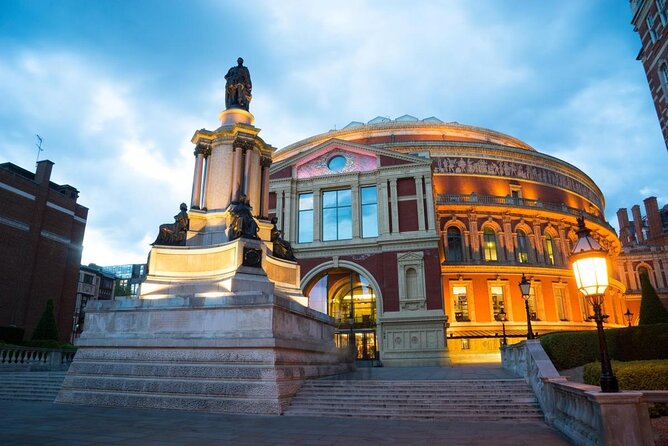
After that, you’ll stop at the Royal Albert Hall on the edge of South Kensington. It seats 5,272 and opened in 1871 with Queen Victoria at the start. It’s one of those London landmarks that feels like it always existed. Learning the opening story helps you appreciate it as a planned cultural hub, not just a famous concert hall.
Kensington Palace finale: the Orangery high tea payoff
The final stretch brings you into Kensington Palace territory, where the mood shifts from landmarks-and-stories to the treat. You’ll hear a striking royal anecdote about George II: he rose at 6:00 am on October 25, 1760, drank hot chocolate, and soon after a crash brought his valet in. He died before Princess Amelia arrived, and a post-mortem pointed to a thoracic aortic dissection. You’ll also hear that he was succeeded by George III, and that George II left instructions for the sides of the coffins to be removed so remains could mingle. The guide also notes that he’s the most recent monarch to be buried in Westminster Abbey.
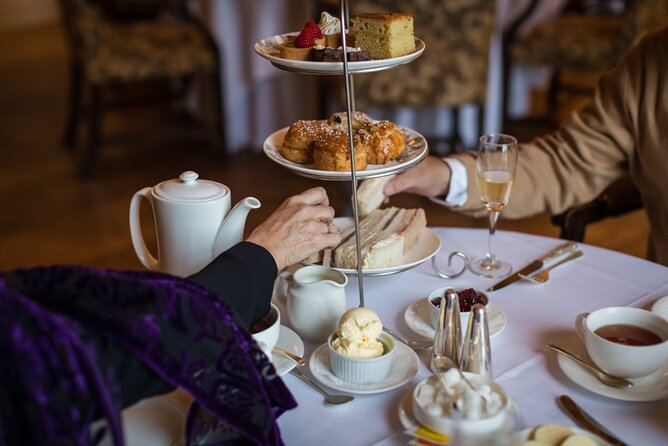
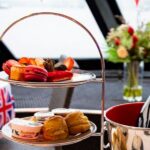
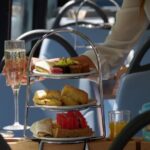
Then you arrive at the place you’re really here for: tea at the Orangery, hosted at Kensington Palace.
What you eat at high tea (and what it means)
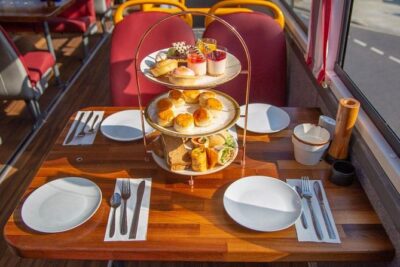
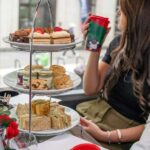
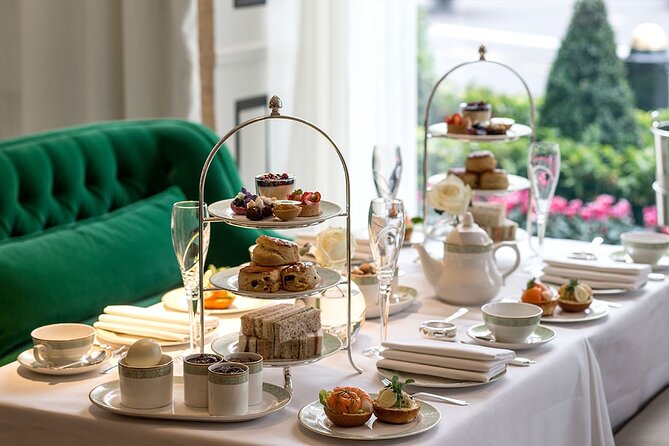
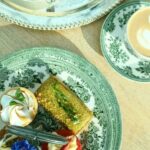
Your included afternoon tea comes with a classic line-up:
- Delicate finger sandwiches (the variety changes by season; gluten-free, vegan, and halal options are catered for)
- Welsh scones with clotted cream and strawberry jam, served with and without raisins
- Royal cake selection depending on the time of year
There’s also a “tea in England” story element included, so the tour doesn’t treat tea as a break you rush past. You get a little context for why high tea traditions took root and how tea became part of social life.
Two practical wins:
- You get a private table at the tea venue, which matters when you’re a small group.
- You can request gluten free, vegetarian, vegan, and halal in advance.
One small heads-up: alcohol is not included, but you can purchase it during the tea service.
Guide impact: the small-group difference (Simon, David, Tom)
A lot of London tours feel like a script. This one seems to work because the guide is part storyteller, part guide-to-looking. The reviews I saw repeatedly praise guides like Simon (including Simon Taylor), David, and Tom for making the history connect to real street details.
That’s important for you because this tour is full of quick stops. A strong guide turns those minutes into something that sticks—especially in the St James’s back streets and during the tea wrap-up.
If you’re traveling with kids or multiple ages, this format often lands well because you’re moving, then pausing, then moving again—no marathon museum time.
Walking style and time reality: what 2 hours feels like
The tour runs about 2 hours. Expect short stops—roughly 5 to 10 minutes each—so you’ll see plenty of the royal quarter without losing your entire afternoon. That’s ideal if you have other plans later.
The pacing is also why a lot of people like it: it’s a walk, not a hike. Still, bring water and shoes you can stand in. Kensington Palace grounds and the surrounding streets can be uneven in spots.
Also note: this is not a “ride by van” tour. No private transport is included. If you’re planning transit between stops on your own, the tour advises using a contactless card or Oyster card (noting a bus fare of £1.75 per person).
Getting value for $173.45: what you’re really paying for
At $173.45 per person, you’re paying for two big things: a guided, small-group walk and an included high tea at Kensington Palace.
Here’s why that can be good value:
- You’re not just paying to be dropped near famous buildings. You’re paying for explanation and a route that aims to reduce crowd time.
- High tea isn’t a token snack. It’s sandwiches, scones, and cakes with multiple dietary accommodations available in advance.
- Group size is capped at 10 and often smaller (around 4–6), which typically means you get more direct attention than big-bus style tours.
Here’s the part you should check before you buy: palace entrance. The tour includes entrance to the State Rooms only if selected at checkout. If you don’t select that add-on, you should plan around seeing exteriors and learning on the street-level route rather than expecting full interior palace visits at every stop.
So, should you book this royal walk and Kensington Palace tea?
I’d book this if you want:
- a compact London plan that fits into a short stay
- small-group attention and stories tied to real locations
- an included high tea at Kensington Palace that ends your day nicely
I’d think twice if you’re the kind of traveler who needs lots of indoor palace time. Without selecting the State Rooms option, the focus stays more on streets, monuments, and the surrounding royal neighborhoods.
If you’re flexible, this is a very solid “royal area sampler” with a delicious ending.
FAQ
How long is the tour?
The tour lasts about 2 hours (approx.).
How big is the group?
It’s a small group with a maximum of 10 travelers, typically 4–6.
What’s included with the tour?
You get a guided royal history walk plus afternoon tea (sandwiches, scones, and cakes) and information on the history of tea drinking in England. You also get a private table at the tea venue. Entrance to the State Rooms is included only if you select it at checkout.
Are palace interiors included?
Entrance to the State Rooms is included only if you select that option at checkout. Otherwise, you should expect a walking tour with stops and views around the royal area rather than full palace interior access.
What dietary options are available for tea?
On prior request, the tour offers gluten free, vegetarian, vegan, and halal options. Child tea is typically for 11 years and younger.
Can I cancel for a full refund?
Yes. You can cancel up to 24 hours in advance for a full refund. If you cancel less than 24 hours before the start time, the amount paid is not refunded.