REVIEW · CENTRAL SRI LANKA
Tea Loops E-Biking
Book on Viator →Operated by The Tea field’s · Bookable on Viator
Tea-country views, without the uphill grind. This Tea Loops e-biking tour pairs electric help with a classic Central Sri Lanka tea-route, so you spend more time looking than fighting the slope. I like the ride length and simplicity: a roughly 25 km loop through tea estates and small villages, with easy photo stops along the way. One thing to think about: there’s no pickup or drop-off, so you’ll need to get yourself to the starting point (it’s near public transport, though).
What makes it stand out is the mix of scenery and old-world details you actually pass, not just stare at from far away. You’ll cruise by tea plantations, named tea factories like Norwood, Stockholm, Mahanilu, and Brunswick, and you’ll also see cultural landmarks such as Hindu temples and the All Saints Church (built in 1876 during the British colonial period). The e-bike does the heavy lifting, and guides like Sri, Lishaa, and Nandhu are described as friendly, safety-first, and willing to point out what you’re seeing.
The one main consideration is weather. This experience requires good weather, so if clouds or rain roll in, plan for a date change or refund.
In This Review
- Key points that make this ride worth your time
- Electric tea loops: what 25 km feels like on an e-bike
- The route details you’ll remember: tea estates, factories, and villages
- Viewpoint stops: Bogawanthalawa Valley and Castlereagh’s reservoir moment
- Cultural sights on the way: temples and All Saints Church
- Who the guides are and how that affects your experience
- Timing, group size, and why it stays calm
- Snacks and ride comfort: small details that matter
- Price and value: what $45 buys you here
- Weather matters: when you should go (and when you shouldn’t)
- Should you book Tea Loops e-biking?
- FAQ
- How long is the Tea Loops e-biking tour?
- How far do you cycle?
- What is the price per person?
- Are pickup or drop-off included?
- What’s included in the tour?
- How many people are in a group?
- Do I get a ticket on my phone?
- When will I receive confirmation after booking?
- Is the tour dependent on weather?
Key points that make this ride worth your time
- Electric assist for a 25 km loop: you’ll still pedal, but the bike helps you keep the ride fun
- Tea factories on the route: Norwood, Stockholm, Mahanilu, and Brunswick come up along the way
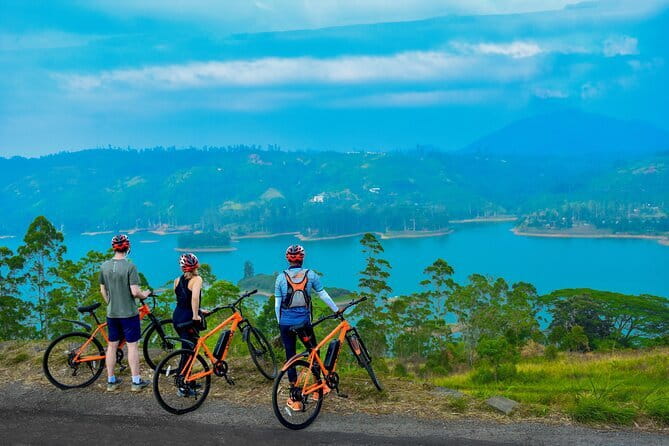
- Photo stops built into the route: Bogawanthalawa Valley and Castlereagh View Point are real highlights
- Small group size (max 4): it stays calm, with room to hear your guide
- Safety support while riding: you’ll ride with a guide and there’s support to help keep things smooth
- Snacks included: a small but practical boost during the ride
Electric tea loops: what 25 km feels like on an e-bike
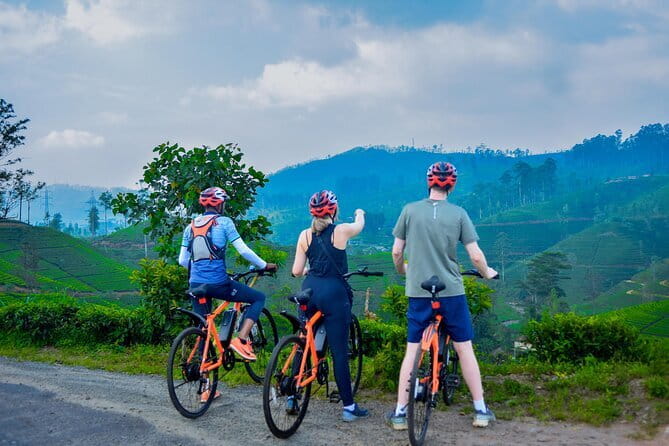
This tour is built around one simple idea: you want tea-country views, but you don’t want the ride to turn into a suffering contest. The route covers about 25 km through Central Sri Lanka’s tea regions, and the e-bike’s motor takes the edge off climbs and keeps you moving steadily.
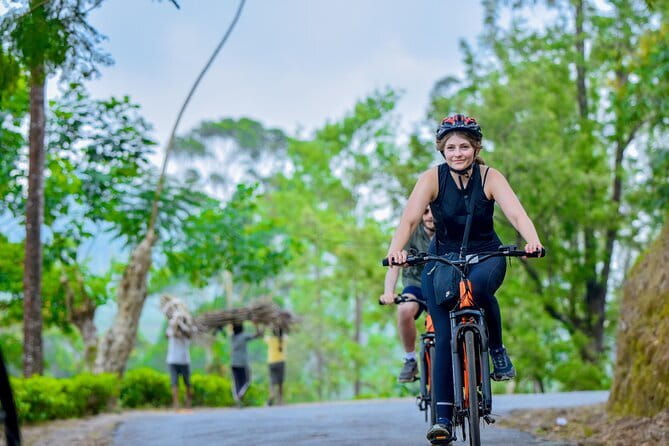
You’re not on a busy highway. The ride is about quiet lanes and countryside paths, where the road feels made for watching the world slide by. That matters because the best moments here aren’t the fastest moments—they’re when you can pause, line up a photo, and actually see the tea fields and factory areas in context.
Another practical win: the experience runs about 2 hours 30 minutes on average, and that time includes time to stop and look. If you’re short on vacation days, it’s long enough to feel like a proper excursion, but not so long that your whole day disappears.
The route details you’ll remember: tea estates, factories, and villages
The core of the experience is a loop through tea plantations and small communities. What you’re riding past is part of how tea country works: fields for growing, factory areas for processing, and villages where daily life happens alongside the industry.
You’ll pass tea factories with recognizable names—Norwood, Stockholm, Mahanilu, and Brunswick. Even if you don’t go inside a factory, seeing the named sites helps you understand this region isn’t just scenic. It’s working tea country.
You also ride through areas that feel lived-in. Expect to see tea plantation villages and everyday roadside life rather than only tourist set pieces. The route includes cultural sights too, including Hindu temples and the All Saints Church (built in 1876, tied to the British colonial era). Seeing these while you’re still moving is a different kind of “history moment”—it’s less museum-like and more you-walk-by-it and keep going.
Viewpoint stops: Bogawanthalawa Valley and Castlereagh’s reservoir moment
This is the part where your camera roll fills up quickly.
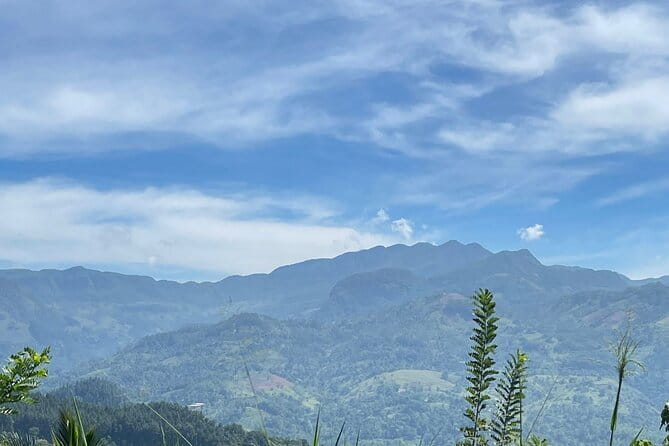
One key stop is at Bogawanthalawa Valley, where the view is the whole point. When you stop here, you’re getting that “tea country depth” effect—fields and slopes stretching out far enough that you can’t take in everything at once. If you like panoramic shots, this is the stop for you.
The other big visual payoff comes at Castlereagh View Point. The route is known for views over the lake/reservoir area, and that contrast—tea slopes against water—makes the region feel extra dramatic. It also breaks up the ride visually. Tea fields are beautiful, but water views give your eyes a rest and make the whole day feel varied.
Tip: schedule your photos mentally. Don’t try to shoot everything in one stop. Take a couple steady shots, then do one quick panorama, then move on. Your legs (and your patience) will thank you.
Cultural sights on the way: temples and All Saints Church
You won’t just bike through tea. You’ll also pass religious and historical landmarks that tell you the area isn’t built only for visitors.
Hindu temples show up along the route, which adds a living cultural layer to the scenery. You may notice devotees’ routines, local gathering energy, and the way temples sit in the hillside context—right alongside roads and fields.
Then there’s All Saints Church, built in 1876 during the British colonial period. Even from the roadside, it creates a striking contrast with the surrounding tea terrain. It’s the kind of sight that’s easy to miss if you’re rushing, which is why a guided pace helps.
If you’re someone who likes your photos with context (not just pretty scenery), these passing landmarks are a plus.
Who the guides are and how that affects your experience
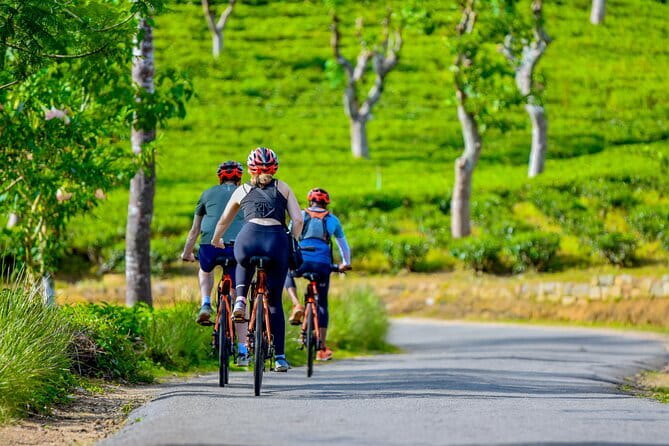
Guides are a big deal on a ride like this. The route is scenic, but you still need help reading what’s ahead—road surfaces, traffic patterns, and the best moments to stop.
You might ride with Sri, described as a young cycling guide who helps keep things safe and enjoyable. Or Lishaa, who’s noted as informative and on-point. Nandhu is also mentioned as friendly and considerate, and the overall theme is clear: safety-first guidance.
One detail that matters for real-life comfort: some versions of the experience include a tuk tuk following for safety. That kind of support changes the whole feel of the ride. You’re freer to focus on the views and not constantly scan for what could go wrong.
Practical advice: when your guide tells you how to ride sections (speed, where to stop, how to position for photos), treat it like a small gift. Follow it, and the ride stays relaxed.
Timing, group size, and why it stays calm
This experience runs about 2 hours 30 minutes (approx.), and it’s designed for a small group—up to 4 travelers. That low number isn’t just a “nice to have.” It changes the pacing. You’ll likely have less waiting around, more space to pull off for photos, and a better chance to hear explanations from your guide.
The tour also uses a mobile ticket, so you don’t need to hunt for paper confirmations. And since it’s listed as near public transportation, you’re not totally stuck if you’re traveling around Sri Lanka by bus or tuk tuk.
If you prefer guided activities where you still feel like you’re out in the countryside—not herded—this small-group setup is a real advantage.
Snacks and ride comfort: small details that matter
Snacks are included, which is a straightforward, practical touch. Tea country can feel cool and windy depending on the area and time of day, and a snack break keeps you from turning hungry into cranky.
The e-bike does much of the physical work, but you’ll still be doing a sustained ride for a couple hours. Wear comfortable clothing, bring water, and plan for stops where you’ll be standing around looking out at viewpoints.
Also, be ready for changes in effort. Even with electric help, road segments can feel different—some parts may roll downhill, while others might nudge your legs more than you expect. That’s normal on mountainous terrain, and the guide’s pacing helps you handle it without drama.
Price and value: what $45 buys you here
At $45 per person, this isn’t a barebones activity. You’re paying for a guided route, an e-bike designed for this terrain, route access through tea areas, and that small-but-important snack.
The best value part is that it’s not just “bike rental plus goodbye.” The experience includes guidance and safety support, and the route covers a meaningful distance (25 km) with multiple sight stops. For many people in Sri Lanka, the cost of a full day can creep up fast. Here, the timing stays tight, and you still get a “real excursion” feel.
Is it expensive compared to walking through tea fields? Sure. But it’s good value for what you’re actually doing: covering distance, seeing named tea factories and cultural landmarks, and hitting viewpoint moments that are hard to reach conveniently on your own.
Weather matters: when you should go (and when you shouldn’t)
This tour requires good weather. That’s not just a fine-print line—it affects whether the views look clear and whether roads feel safe and comfortable.
If the forecast looks shaky, don’t assume you’ll “tough it out.” The experience is built for pleasant riding conditions. If it’s canceled due to poor weather, you should expect a different date or a full refund, which makes planning less stressful.
If you’re flexible with your schedule, this works in your favor. Pick a day when skies are likely to cooperate.
Should you book Tea Loops e-biking?
Book it if you want a guided way to see Central Sri Lanka’s tea country that actually fits into a couple of hours. You’ll like this especially if:
- You enjoy biking but don’t want the trip to be mostly sweat and suffering
- Tea plantations, tea factories, and small villages sound like your kind of sightseeing
- You care about viewpoints and want photo stops without scrambling for logistics
- You prefer small groups and clear safety guidance
Skip it (or choose a backup plan) if you can’t easily reach the meeting area yourself, since pickup/drop-off isn’t included. Also, if rainy weather is likely during your dates and you hate schedule uncertainty, you may want to keep some flexibility.
If you’re the type who likes scenery with practical structure—ride, stop, look, repeat—Tea Loops e-biking is a smart, good-value way to experience tea country without burning the whole day.
FAQ
How long is the Tea Loops e-biking tour?
It runs about 2 hours 30 minutes (approx.).
How far do you cycle?
The ride covers around 25 km.
What is the price per person?
The price is $45.00 per person.
Are pickup or drop-off included?
No, pickup or drop-off is not included.
What’s included in the tour?
Snacks are included.
How many people are in a group?
The maximum group size is 4 travelers.
Do I get a ticket on my phone?
Yes, it uses a mobile ticket.
When will I receive confirmation after booking?
Confirmation is received within 48 hours of booking, subject to availability.
Is the tour dependent on weather?
Yes. The experience requires good weather, and if it’s canceled due to poor weather, you’ll be offered a different date or a full refund.