REVIEW · FUKUOKA
Ceramics and Green Tea Tour of Nagasaki and Saga Prefecture
Book on Viator →Operated by Shannon Lefebvre · Bookable on Viator
Porcelain towns and tea fields make a great combo. This private tour ties ceramics and green tea into one focused day, with countryside stops you won’t see from a quick city hop. I like that you can steer the day toward more pottery or more tea, and I like how the ceramics theme goes beyond shops into places like shrines and a museum; it makes the region feel connected, not just commercial. One possible drawback: it’s a long 10 to 11 hours, so comfortable shoes matter.
You’ll start in Saga’s pottery world and work through to Ureshino tea heritage, using a smooth private vehicle and onboard WiFi to keep the day easy. The pace is mostly calm: about 3 hours on the road, and the rest spent walking, looking, and taking in explanations at each stop. If you only want one or two big attractions, you might feel the stops move a bit quicker than you’d like.
In This Review
- Key things that make this tour worth your time
- A ceramics-and-tea day through Kyushu’s quieter side
- Price and value: what you’re really paying for
- How pickup, tickets, and pacing work
- Stop 1 in Saga: Okawachiyama Village and the pottery-in-the-mountains feel
- Stop 2 in Arita: Izumiyama Quarry and the porcelain-stone origin story
- Stop 3: Tozan Shrine and porcelain designs in a religious setting
- Stop 4: The Kyushu Ceramic Museum and English-friendly context
- Stop 5: Arita Sera and choosing the right porcelain for the right person
- Stop 6: Arita Porcelain Park and the Saga–Nagasaki border vibe
- Stop 7: Ceramics Park (Yakimono Kouen) in Hasami
- Stop 8: Ureshino Tea Exchange Museum (Chaoshiru) and why green tea has a following
- Stop 9: Tokunaga Seicha and tea guidance with a professional from Europe
- Stop 10: The site of Japan’s first Ureshino tea and the giant tree
- Lunch, snacks, water, WiFi, and the small comforts that matter
- What to buy: a practical approach to ceramics and tea
- Weather reality and how to prepare
- Who should book this tour (and who might skip it)
- Final call: should you book the Ceramics and Green Tea tour?
- FAQ
- How long is the Ceramics and Green Tea tour?
- Is pickup available, and is it a private tour?
- What does the price include?
- Will I need tickets on my phone?
- Are there any paid admissions during the stops?
- How much of the day is travel time?
- What food and drinks are provided during the day?
- Who leads the green tea part of the tour?
- What happens if the weather is poor?
- What is the cancellation policy?
Key things that make this tour worth your time

- Private group of up to 3: easier conversation, less waiting, and better for shopping at your own pace
- Two themes, one route: pottery heritage in Imari/Arita/Hasami plus Ureshino green tea history
- Ceramics in surprising places: porcelain decorations at a shrine and museum-style context, not just retail
- Tea with a real guide: a tea professional (Tokunaga Seicha) who can explain what to notice in the cup
- Included lunch and snacks: helps you stay comfortable on a full day away from Fukuoka
A ceramics-and-tea day through Kyushu’s quieter side
This tour is built for people who enjoy the slow pleasures: walking through workshop areas, reading what you’re seeing, and buying something that feels like it has a story behind it. You’ll be out in the rural parts of Kyushu, crossing between Saga’s pottery towns and then shifting to Ureshino’s tea heritage.
What makes it click is the way the day connects art and daily life. Ceramics show up as practical objects and cultural symbols, and then green tea becomes more than a trendy health drink. You get both the visual craft and the cultural logic of why people care about it.
Price and value: what you’re really paying for
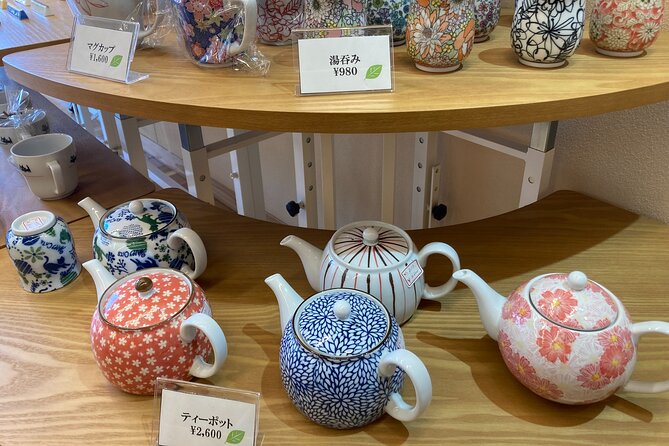
The cost is $716.68 per group (up to 3 people). That can sound steep at first, but the value changes when you compare it to the real cost of getting around rural Saga efficiently with a dedicated vehicle.
Here’s where the money goes:
- Private transportation with parking fees included
- Lunch (sit-down or on the go) plus snacks and bottled water
- Entry coverage where it applies (some stops are free; the museum is included)
- A day structured so you’re not wasting time stitching together separate tickets and transit
If you’re traveling as two or three, this price often feels fair because you’re buying convenience plus an itinerary that actually matches your interests: ceramics first, tea second.
If you’re solo and expecting a low-cost option, it might feel less attractive. But if you want a guided route with stops chosen around pottery and tea, the private format is a big part of the payoff.
How pickup, tickets, and pacing work
The tour includes pickup offered and uses a mobile ticket. That matters more than it sounds, because you’re spending most of your day away from the easy transit routes.
Timing also looks good on paper:
- Total duration is 10 to 11 hours
- About 3 hours are driving between attractions
- You’ll have onboard commentary and WiFi on board
In other words, you shouldn’t feel like you’re trapped in a van all day. You’re also getting enough driving time to see countryside, which helps the pottery and tea context feel grounded in the region—not like a theme park.
Stop 1 in Saga: Okawachiyama Village and the pottery-in-the-mountains feel
Okawachiyama Village is a pottery stop set in a mountainous area of Imari Town. The main idea here is atmosphere. This is described as a “hidden” pottery village that not many people know about, which usually means you’ll get more of a workshop landscape vibe than a crowded commercial strip.
What I like about starting here: it helps you switch your brain from tourist mode to craft-mode fast. Before you even reach the bigger names and museum context, you’re already in the right setting: hills, quiet, and the sense that ceramics belong to the place.
A practical consideration: because it’s in a mountainous area, it can feel cooler or more exposed than the city. Dress in layers so you don’t regret it once you’re outside.
Stop 2 in Arita: Izumiyama Quarry and the porcelain-stone origin story
Izumiyama Quarry is one of the most historically anchored stops on the ceramics side. Around 1616, Korean potters led by Yi Sam Pyeong discovered porcelain stone here in Arita Town, and they’re credited as the first in Japan to successfully fire porcelain.
Even if you’re not a ceramics nerd, this is the type of fact that makes everything after it make sense. You’re not just seeing pottery; you’re tracing how the raw material and the technique created a whole regional identity.
The stop is short (about 20 minutes), so treat it as a quick context grab rather than a deep visit.
Stop 3: Tozan Shrine and porcelain designs in a religious setting
Tozan Shrine is a good reminder that ceramics aren’t only for teacups and decorative plates. The stop highlights the way the shrine is decorated with porcelain designs, which is notable because shrines are typically very traditional and conservative about what’s used and how.
What’s useful for you: you’ll start to notice ceramics as part of everyday culture. The point isn’t to overthink it, but to see that porcelain can be public art and spiritual detail at the same time.
If you prefer more shopping time and less looking, you might want to keep expectations modest here. It’s short, and it’s about observation.
Stop 4: The Kyushu Ceramic Museum and English-friendly context
The Kyushu Ceramic Museum gives you the background you need to enjoy the rest of the day. It’s scheduled for about 45 minutes, and the tour notes say there’s enough English provided to give you solid context and help you understand the finer details.
This is the stop that turns souvenirs into decisions. When you know a bit about local pottery traditions and regional development, it gets easier to recognize what’s “from here” versus what’s just sold everywhere.
A practical note: museums can move faster than you expect. If you have a strong interest in ceramics, take your time early, because later stops may feel more like shopping and less like learning.
Stop 5: Arita Sera and choosing the right porcelain for the right person
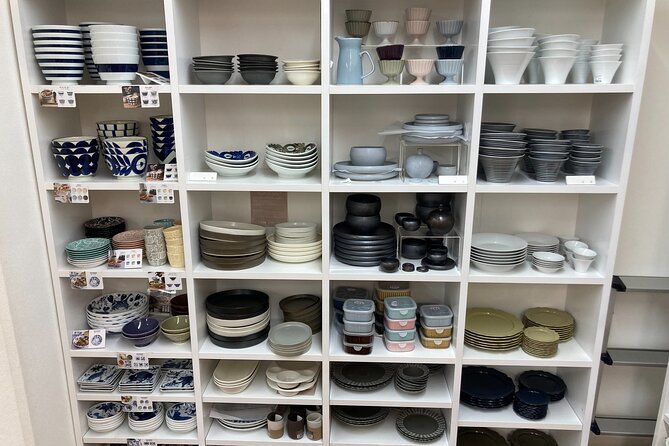
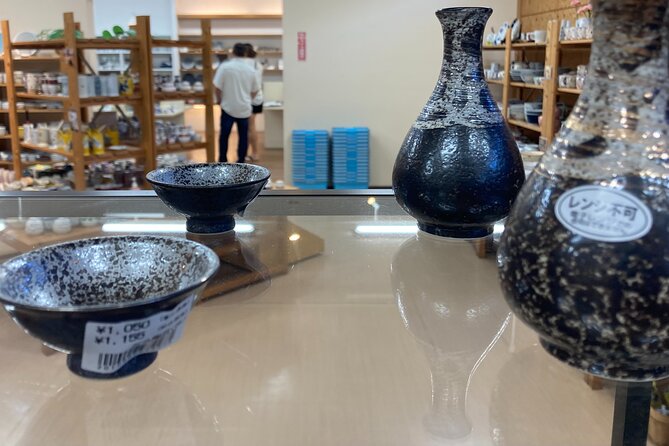
Arita Sera is where the day starts to shift from history to practical buying. The description focuses on an issue many people hit: finding porcelain shops where the selection actually matches the buyer.
You’ll spend about 2 hours here. That’s plenty of time to browse at a relaxed pace, compare styles, and ask questions about what you’re seeing.
One consideration: with 2 hours, you might feel pulled in multiple directions. If you’re shopping for gifts, decide early what you’re hunting for (everyday plates, tea-related pieces, decorative items, etc.) so you don’t come home with random stuff and buyer’s remorse.
Stop 6: Arita Porcelain Park and the Saga–Nagasaki border vibe
Arita Porcelain Park sits right next to Nagasaki, so the area feels like it blurs prefecture lines. The tour description even points out you could easily think you’re still in Nagasaki. That’s a neat detail, because it shows how pottery culture doesn’t respect administrative borders—it follows craft communities and geography.
You’ll have about 45 minutes here. Parks can be hit-or-miss depending on your interests, but for this itinerary the value is usually the chance to see ceramics displayed in a more public, spread-out way.
If you like photography, this is one of the better stops. If you only care about purchasing, you might find it a bit more view-heavy than shop-heavy.
Stop 7: Ceramics Park (Yakimono Kouen) in Hasami
Ceramics Park (Yakimono Kouen) takes you to Hasami, a town noted with a population of about 15,000 and surrounded by mountains and rolling hills. It’s scheduled for about 30 minutes, so it’s more of a concentrated stop than a long wandering session.
This matters because it changes what you should expect. You’re not going to do a full shopping spree here; you’re going to see, compare, and possibly pick up a few key pieces if something really matches your taste.
If you’re the type who likes to browse without pressure, the short time window can actually be a benefit. You get the ceramic fix, then you move on.
Stop 8: Ureshino Tea Exchange Museum (Chaoshiru) and why green tea has a following
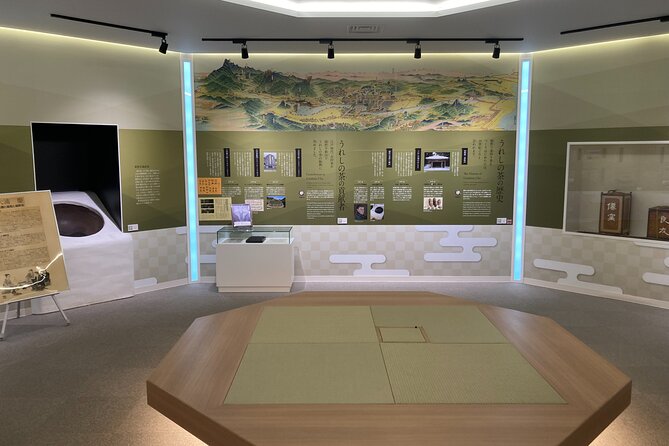
Now the tour switches gears into Saga tea culture at the Ureshino Tea Exchange Museum: Chaoshiru. The information given makes green tea’s appeal clear: it’s linked to brain and cognitive support, digestion, and overall interest as a health drink.
You’ll spend about 45 minutes here, and this is where you’ll likely start connecting the craft side of ceramics to the craft side of tea—care, attention, and regional identity.
A small practical tip: tea museums can be more informative than interactive. If you enjoy learning, you’ll be happy. If you mostly want tastings, keep your expectations balanced and watch for the next tea stop.
Stop 9: Tokunaga Seicha and tea guidance with a professional from Europe
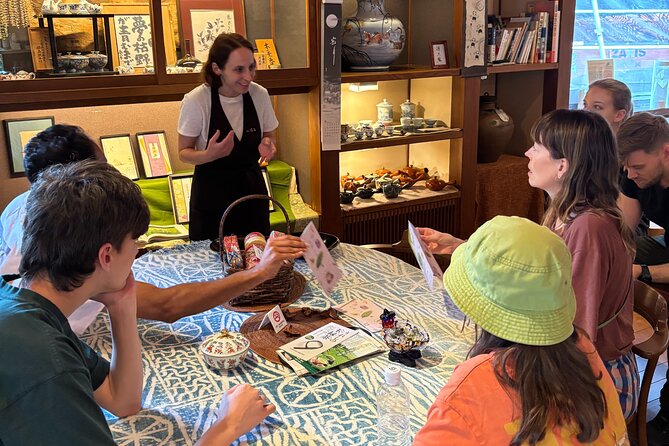
Tokunaga Seicha is one of the more personal stops on the tea side. You meet the wife of the owner of a specialty tea producer, described as a tea sommelier originally from Europe. She guides you through the intricate details of tea—what to notice, how to understand differences, and how taste relates to preparation and quality.
You’ll have about 30 minutes. This is a great segment if you want more than just a quick taste. A good tea explanation helps you remember what matters next time you see Ureshino-style green tea in a shop.
One thing to consider: since the guidance is focused, you may want to ask questions that match your goal. If you’re buying tea to drink daily, ask what you should look for. If you’re buying for a gift, ask about flavor profile and how it will land for someone who isn’t a tea person yet.
Stop 10: The site of Japan’s first Ureshino tea and the giant tree
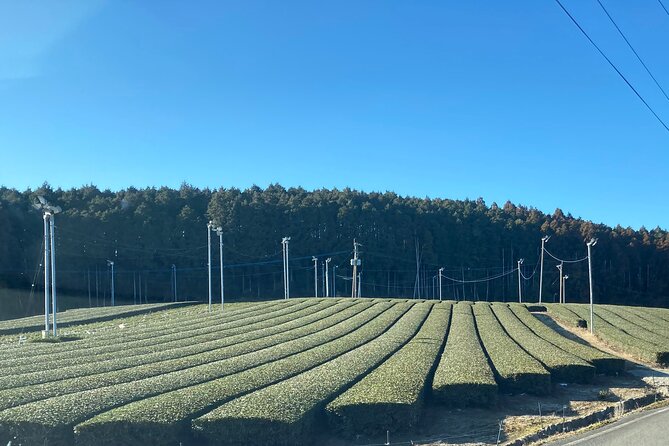
The day finishes at the Site of Japan’s First Ureshino Tea, tied to a rural location in Saga Prefecture and described as the origin area associated with Ureshino’s green tea story. The highlight is the giant tree of Ureshino, which gives the stop a strong sense of place and beginning.
This is about 15 minutes, so it’s best treated as a closing note. You’ll have seen tea culture presented in a museum and explained by a specialist. This final stop adds the feeling that green tea isn’t just a product here—it’s rooted in the land.
If you’re sensitive to heat, bring water and take shade when you can. Even short stops can feel longer when the sun is strong.
Lunch, snacks, water, WiFi, and the small comforts that matter
Food is included, which I always appreciate on a day like this. You get lunch (either sit-down or on the go) plus snacks and bottled water, including both sparkling and still water.
It may sound basic, but it’s part of the value. When you’re spending most of the day moving between rural stops, snacks keep your energy steady and reduce decision fatigue when you’re shopping.
With an air-conditioned vehicle, plus WiFi on board, the logistics feel smoother than you’d expect for a full rural route. You can also use the time to look up pieces you’re considering, compare prices, or check train and transit plans for later.
What to buy: a practical approach to ceramics and tea
You’ll likely come home with at least one pottery item and one tea item—because the day is designed that way. To avoid impulse purchases, I’d use this simple filter while you’re browsing:
For ceramics:
- Buy what matches how you’ll actually use it (tea cups are easier gifts than you’d think)
- If you’re buying a decorative piece, pick one that looks good even without perfect lighting
- Ask questions that connect the object to the place you just visited
For tea:
- Pick something you can drink soon after your trip, not just “someday”
- If you’re unsure, ask what style fits most people
- If you’re buying as a gift, choose based on the recipient’s tastes: lighter versus stronger
The time you spend with the tea specialist is especially helpful here. The goal isn’t to become an expert; it’s to understand enough to buy confidently.
Weather reality and how to prepare
The tour depends on good weather. If it’s canceled due to poor weather, you’ll be offered a different date or a full refund.
My practical advice: plan your clothing and footwear like you expect walking. Even when stops are short, you’ll be outside looking and moving. If weather turns, you’ll feel it fast—so pack a light layer and keep an umbrella or rain cover handy.
Who should book this tour (and who might skip it)
This is a strong match if:
- You love both ceramics and green tea and want one trip to cover both
- You’re okay with a full-day schedule and want rural craftsmanship stops
- You prefer a private group format so shopping and questions don’t feel rushed
You might skip it if:
- You only care about one theme and would rather keep the day focused
- You strongly dislike long touring days, even with breaks and included meals
- You want a very deep museum-style itinerary with minimal shopping
The tour is also great for couples or small groups where one person enjoys pottery and the other leans tea. The structure makes room for both interests without forcing either to “pretend” enthusiasm.
Final call: should you book the Ceramics and Green Tea tour?
If you’re the kind of traveler who likes to bring home a story—not just a souvenir—this tour makes sense. The private format, the mix of ceramics history plus tea culture, and the inclusion of lunch and comfort items add up to a day that feels efficient and thoughtful.
If the idea of spending time in multiple pottery-related sites plus two tea-focused stops sounds fun, book it. If you’re only curious about one side, you might decide to keep your schedule lighter and choose a single-theme day instead.
FAQ
How long is the Ceramics and Green Tea tour?
The tour runs about 10 to 11 hours.
Is pickup available, and is it a private tour?
Yes, pickup is offered, and it’s a private tour/activity where only your group participates. The group size can be up to 3.
What does the price include?
The experience includes lunch, snacks, bottled water (sparkling and still), an air-conditioned vehicle, WiFi on board, private transportation, and parking fees. A ceramic museum admission is also included.
Will I need tickets on my phone?
You’ll use a mobile ticket, and you’ll receive confirmation at the time of booking.
Are there any paid admissions during the stops?
Most stops list admission as free, and the Kyushu Ceramic Museum has admission included.
How much of the day is travel time?
About 3 hours of the total time is traveling between attractions.
What food and drinks are provided during the day?
Lunch is included, and you’ll also have snacks and bottled water throughout the day. Options include Japanese and Western for lunch.
Who leads the green tea part of the tour?
At Tokunaga Seicha, you meet a tea specialist described as a tea sommelier originally from Europe who guides you through tea details.
What happens if the weather is poor?
The tour requires good weather. If it’s canceled due to poor weather, you’ll be offered a different date or a full refund.
What is the cancellation policy?
This experience is non-refundable and cannot be changed for any reason. If you cancel or ask for an amendment, the amount you paid will not be refunded.