REVIEW · RIFT VALLEY PROVINCE
Agro-Tourism Tea Workshop in Nandi Hills
Book on Viator →Operated by The Safari Side · Bookable on Viator
Tea here starts before sunrise. This agro-tourism tea workshop in Nandi Hills turns Kenya’s daily cup into a real production story, with a farm visit, a tea factory stop, and a tea tasting. I like that it mixes fieldwork detail with hands-on viewing, especially modernized weighing and the chance to watch tea pluckers at work.
I also like the setting. You spend time around tea trees in the Nandi Hills area, then break for lunch back at the cottage before heading to a tea factory in Nandi County. The day’s pace makes it feel more like learning by watching than rushing from photo stop to photo stop.
One consideration: the schedule is early, and it depends on good conditions. You’re looking at a morning start window (5:00 AM to 9:00 AM), and the experience requires good weather, so plan to stay flexible.
In This Review
- Key highlights you’ll actually feel
- Nandi Hills tea workshop: a rare look at how the real work happens
- Getting from Iten: private transport and an early-morning rhythm
- The morning tea harvest: what you’re learning before you even taste
- Weighing and transport: the hidden stage that shapes the end result
- Lunch at the cottage: a real break in the middle of production work
- Visiting a Nandi County tea factory: turning leaves into finished tea
- Tea tasting at the end: using your day’s learning in real life
- Price and value: what you’re paying for (and what you’re not)
- Who should book this tea workshop (and who might not)
- Should you book the Agro-Tourism Tea Workshop in Nandi Hills?
- FAQ
- FAQ
- How long is the tea workshop in Nandi Hills?
- What is the meeting point for the workshop?
- What’s the price per person?
- What’s included in the tour price?
- What is not included?
- What time does the workshop run?
- Is this a private tour?
- Do I need to print a ticket?
- What happens if the weather is bad?
- What’s the cancellation policy?
Key highlights you’ll actually feel
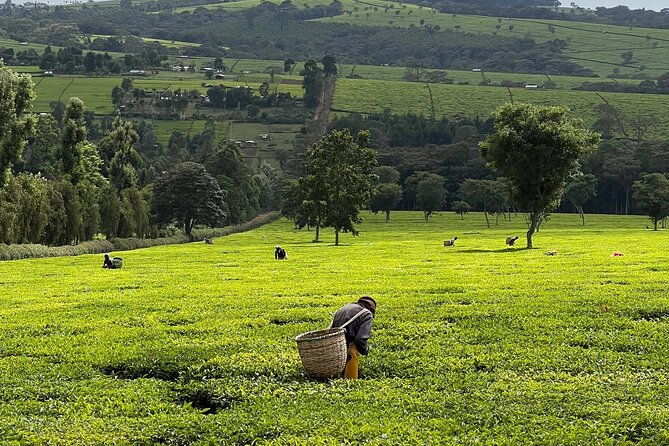
- Harvest-to-cup flow in one day: harvesting, weighing, transport, processing, and tasting.
- Tea plucker meet-and-watch time so you see why the job is repetitive but critical.
- A modern weighing step that helps explain how tea gets handled before factory processing.
- A tea factory visit at one of the 19 factories in Nandi County.
- Lunch included during the middle of the program, so you’re not searching for food while moving.
Nandi Hills tea workshop: a rare look at how the real work happens
If you like food, you already know the best tastings are the ones that come after you understand the process. This workshop gives you exactly that, focusing on tea production in Kenya’s Highlands—one of the most practical ways to learn what happens to tea after it leaves the plantation.
The big idea is simple: you follow tea production for a full day, from harvest and weighing through transport and transformation into finished leaves, then end with tasting. Instead of just reading labels or hearing generic facts, you see the sequence as it happens, with stops designed around the stages that matter.
And because this is an agro-tourism-style workshop (not a museum tour), the day feels lived-in. You’re watching people do work that has to be done right, at the right moment, and with the right handling.
Getting from Iten: private transport and an early-morning rhythm
The day starts at the Swiss Side ItenFriends Bar in Iten, Kenya, and ends back at the same meeting point. It’s a private tour/activity, so it’s just your group, and you get private transportation included.
That matters more than it sounds. Kenya’s tea country is not a place where you’ll want to fight with timing and buses while you’re trying to catch field tasks and factory processing. Private transport keeps the day moving as a complete production story, rather than a collection of disconnected stops.
One more practical point: the opening hours show it runs Monday through Sunday during a morning window from 5:00 AM to 9:00 AM. So even though the tour duration is listed as about 10 hours, your day will feel like a proper early start. If you’re someone who loves sunrise energy, great. If you prefer later starts, this may feel like a stretch—schedule your night accordingly.
The morning tea harvest: what you’re learning before you even taste
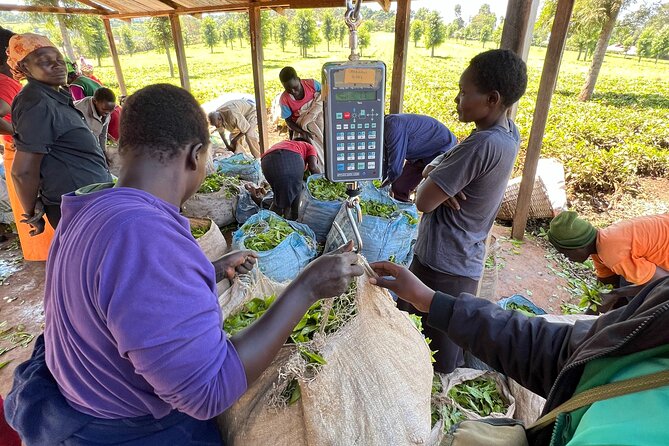
The workshop begins with an explanation of how the harvest is conducted. This is where the day earns its keep. Tea isn’t just picked; it’s harvested with specific routines, and the way leaves are collected can affect how the tea behaves later in processing.
Then you get the kind of detail that makes tea production click. You witness weighing of the tea, and the note that it has recently been modernized matters because it signals you’re seeing a system that’s actively improving. Instead of treating tea as an old-fashioned craft, you’re seeing how production ties tradition to updated handling.
Next comes one of the most valuable parts: a meeting with the tea pluckers. You don’t just look at plants. You see the proficiency and resilience required for tea plucking—a repetitive but very important task. If you care about the human side of food, this is the moment you’ll remember when you’re drinking Kenyan chai later.
What I like about this morning structure is that it answers your questions in order:
- Where do the leaves come from?
- How do they get handled right after harvest?
- Who does the work that keeps the whole system going?
Weighing and transport: the hidden stage that shapes the end result
It’s easy to imagine tea production as something that happens only in the factory. This workshop corrects that idea by showing you the handling before processing truly begins.
The weighing part is especially instructive. After plucking, leaves need to be measured and managed properly so the factory can process lots consistently. Since the weighing step has been modernized, you’re likely to see a more controlled approach than what many visitors expect, and that’s helpful if you’ve only ever thought of tea as a grocery product.
Then, as part of the full-day storyline, you also follow how tea moves through the next phase—transport to processing. Even if you don’t see every minute detail of every logistics step, the way the day is organized makes you understand that production is a chain. If one link gets sloppy, the next stages struggle.
This is the difference between a casual tea tour and a production-focused workshop. You leave with a sense of how factories can’t simply start from scratch. They depend on what happens on the farm.
Lunch at the cottage: a real break in the middle of production work
After the morning field learning, you head back to the cottage for lunch. Lunch is included, which is great because it prevents the common problem of tea workshops that take you out all day and then leave you to figure out meals mid-route.
This pause also helps you absorb what you just saw. Tea production can feel technical, even when you’re learning it in a simple, visual way. Having a proper meal break makes the afternoon stops easier to enjoy, not just endure.
If you’re paying attention, lunch also acts like a reset point in the story. You shift from farm-stage activities to processing-stage activities at the factory. That contrast is one reason the tour works as a full-day experience rather than a short highlight.
Visiting a Nandi County tea factory: turning leaves into finished tea
After lunch, you visit one of the tea factories in Nandi County. The key detail here is that there are 19 tea factories in the county, and this workshop includes a visit to one of them. That matters because you’re not imagining tea processing—you’re seeing an actual production facility.
In the factory visit, you discover how tea leaves move from farm material to finished product. The workshop is designed so you understand the transformation step as a process, not a black box.
Here’s what tends to make factory visits memorable (and what this one is set up to deliver):
- You see the scale of production compared to the farm work.
- You connect earlier steps like weighing and handling to what the factory needs.
- You learn that finished tea is a result of consistent processing, not just good leaves.
Even if you’re not a food-industry person, the sequence makes sense. The day has already trained your eyes. So when you’re looking at processing, it doesn’t feel random.
Tea tasting at the end: using your day’s learning in real life
The day ends with a tea tasting. This is the payoff, because you finally get to match what you learned with what you like.
By tasting at the end of the workshop, you’re in a better position to ask better questions. Instead of only noticing flavor, you’ll have a framework for thinking about why tea tastes the way it does—based on what you saw during harvest handling and factory processing.
The tasting also gives you a simple way to remember the day. Most people won’t remember every step perfectly, but they’ll remember what they liked and how it felt to drink tea after learning its path.
If you’re a fan of Kenyan tea or chai, this final step is especially satisfying. It’s not just about drinking; it’s about recognizing the connection between the cup and the work behind it.
Price and value: what you’re paying for (and what you’re not)
The price is $137.46 per person for an experience that runs about 10 hours and includes a lot of the real costs that often add up on your own: private transportation, all fees and taxes, a farm visit, lunch, and a tea factory visit.
What makes the value feel stronger is that the day is structured as a chain. You don’t just buy access to a plantation; you get a full sequence of production stages, plus the tasting. If you tried to assemble this yourself—starting from Iten, timing it with factory access, arranging transport, and covering meals—you’d likely spend more time and money than the workshop costs.
What’s not included is personal expenses. That’s typical, but it’s worth thinking about if you tend to buy souvenirs, snacks, or additional drinks beyond lunch.
So is it worth it? If your goal is to understand Kenyan tea production with real context and not just pass through the region, the price aligns with what you’re getting: a guided, production-focused day with transport and meals handled.
Who should book this tea workshop (and who might not)
This is a strong fit if you:
- Like food and drink experiences that explain the process, not just the final product.
- Want a calmer cultural day that still feels active and educational.
- Appreciate meeting the people behind what you eat and drink—especially the tea pluckers stage.
- Are in Kenya with a lot of wildlife-focused time and want one cultural, agricultural day to balance your trip.
You might want to think twice if:
- You hate early mornings. The program runs in the morning window, and the tour lasts roughly 10 hours.
- You’re not comfortable adjusting plans for weather, since the experience requires good weather.
- You prefer very short excursions. This is a full-day workshop.
Should you book the Agro-Tourism Tea Workshop in Nandi Hills?
I’d book it if you want a day that connects tea to Kenya in a practical way. The strongest reasons are the farm-to-factory structure and the way the day ends with tasting, so learning doesn’t stay theoretical. The tea plucker meeting and the modernized weighing step make the experience feel grounded, not generic.
If you’re already spending time in the Rift Valley area and want one day that’s different from safaris and scenic drives, this is a good choice. Just go in ready for an early start, and keep your expectations focused on production and people—not just views.
If weather is decent, this workshop is exactly the kind of day that turns a casual interest in tea into something you’ll remember.
FAQ
FAQ
How long is the tea workshop in Nandi Hills?
The experience lasts about 10 hours.
What is the meeting point for the workshop?
It starts at the Swiss Side ItenFriends Bar in Iten, Kenya, and it ends back at the same meeting point.
What’s the price per person?
The price is $137.46 per person.
What’s included in the tour price?
It includes private transportation, all fees and taxes, a farm visit, lunch, and a tea factory visit.
What is not included?
Personal expenses are not included.
What time does the workshop run?
It runs daily in the morning window of 5:00 AM to 9:00 AM (Monday through Sunday).
Is this a private tour?
Yes. It’s a private tour/activity, and only your group participates.
Do I need to print a ticket?
No, you’ll have a mobile ticket.
What happens if the weather is bad?
The experience requires good weather. If it’s canceled due to poor weather, you’ll be offered a different date or a full refund.
What’s the cancellation policy?
Free cancellation is available. You can cancel up to 24 hours in advance of the experience for a full refund. If you cancel less than 24 hours before the start time, the amount paid is not refunded.